- Home
- Products
- OEM Service
- Industry Solutions
- Case Studies
- About Us
- Resources
- Contact
inquiry now
Leave Your Message
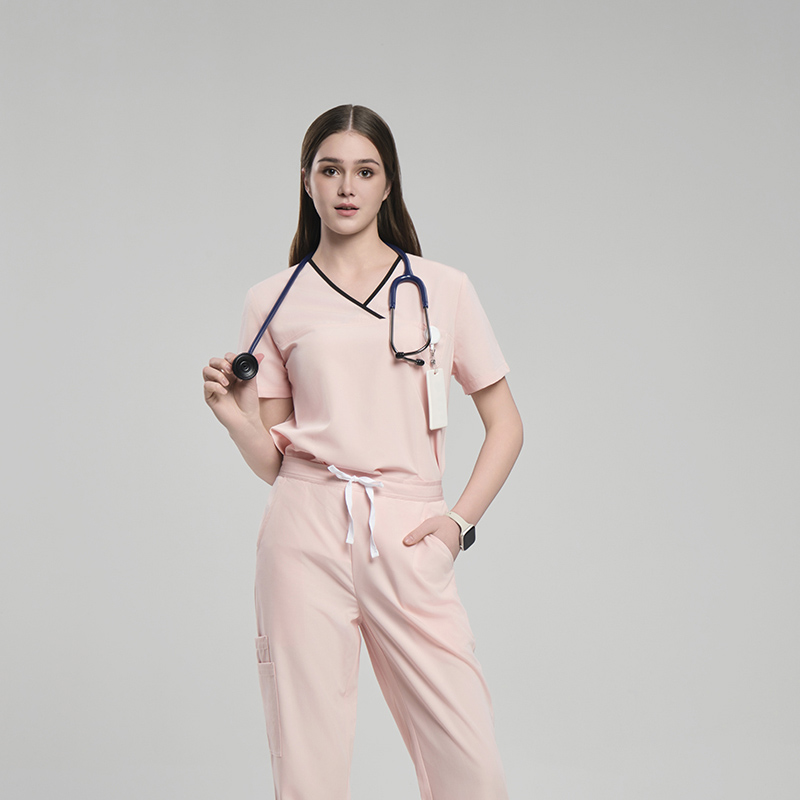
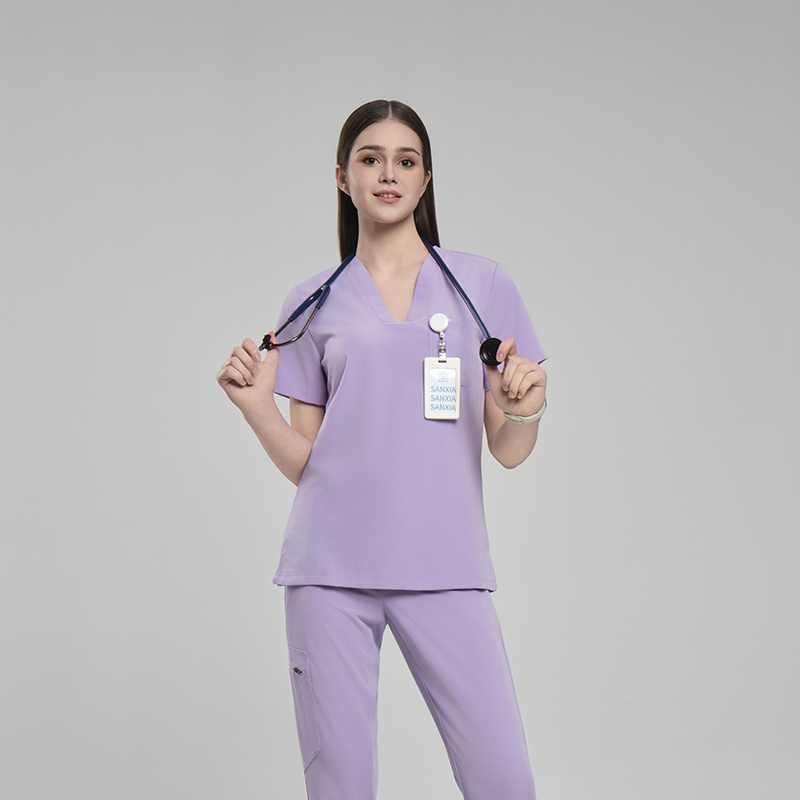
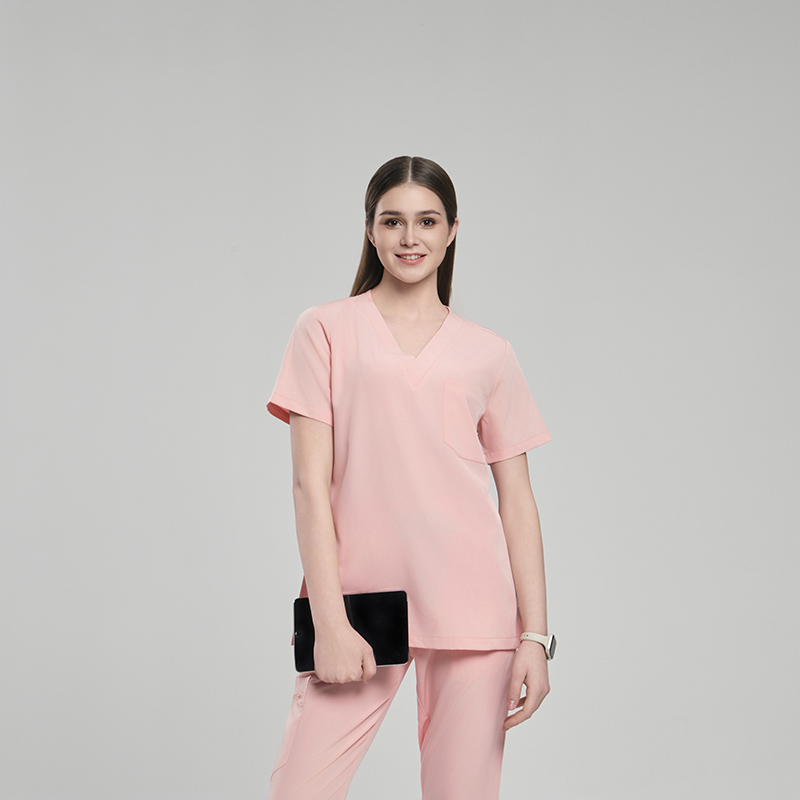
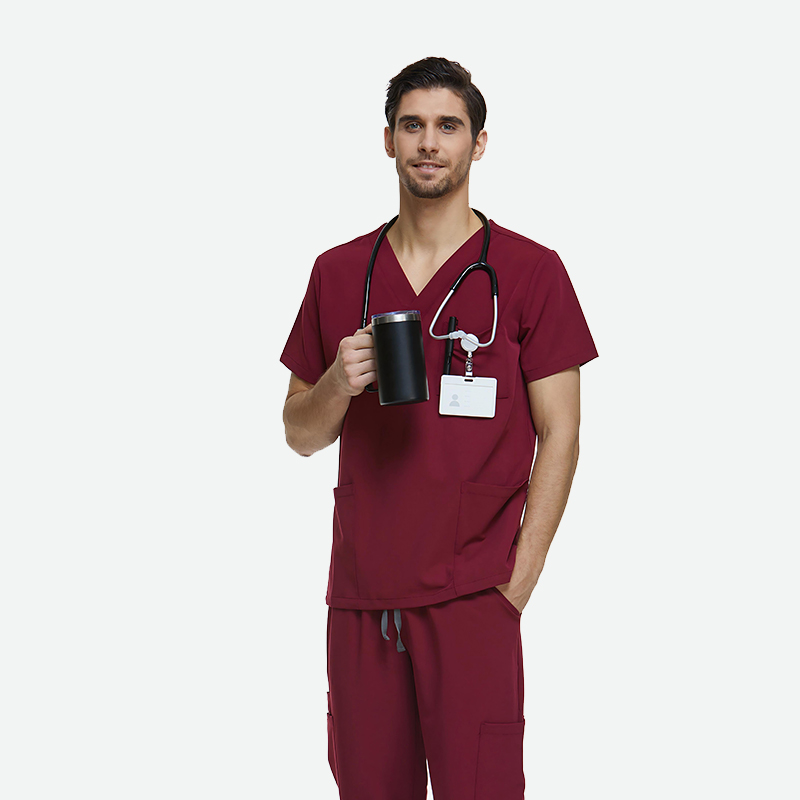
Engineered for intensive inpatient, ambulatory, and acute care scenarios. Optimized for freedom of movement, functional cargo capacity, and repeat industrial disinfection.
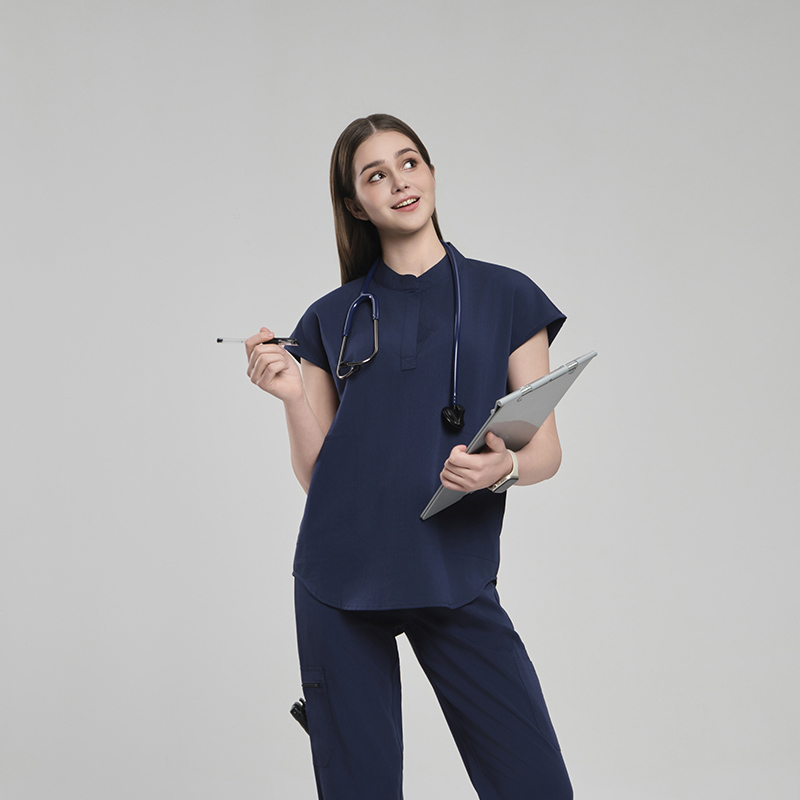
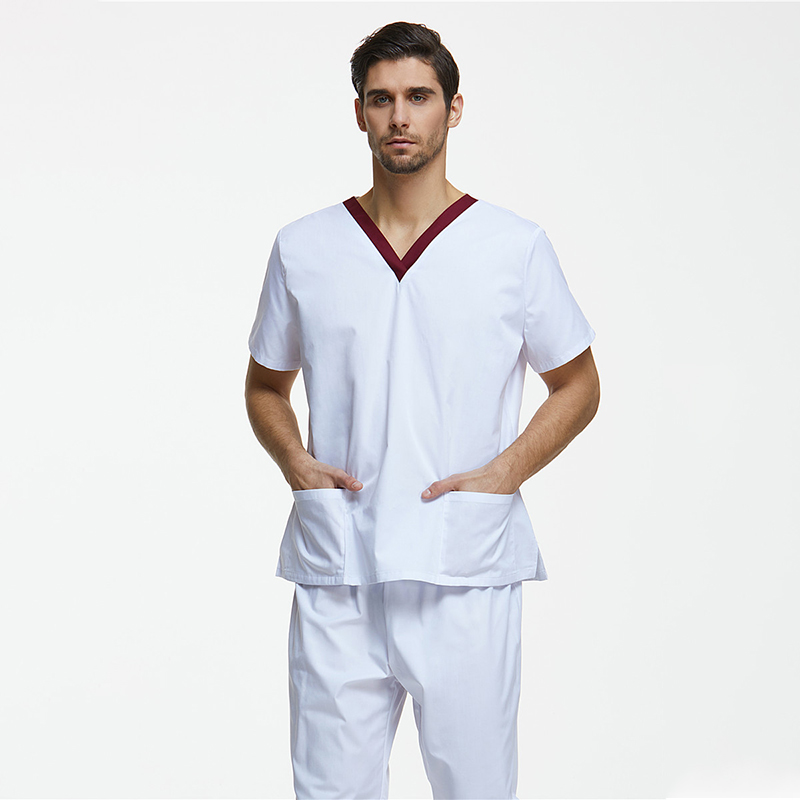
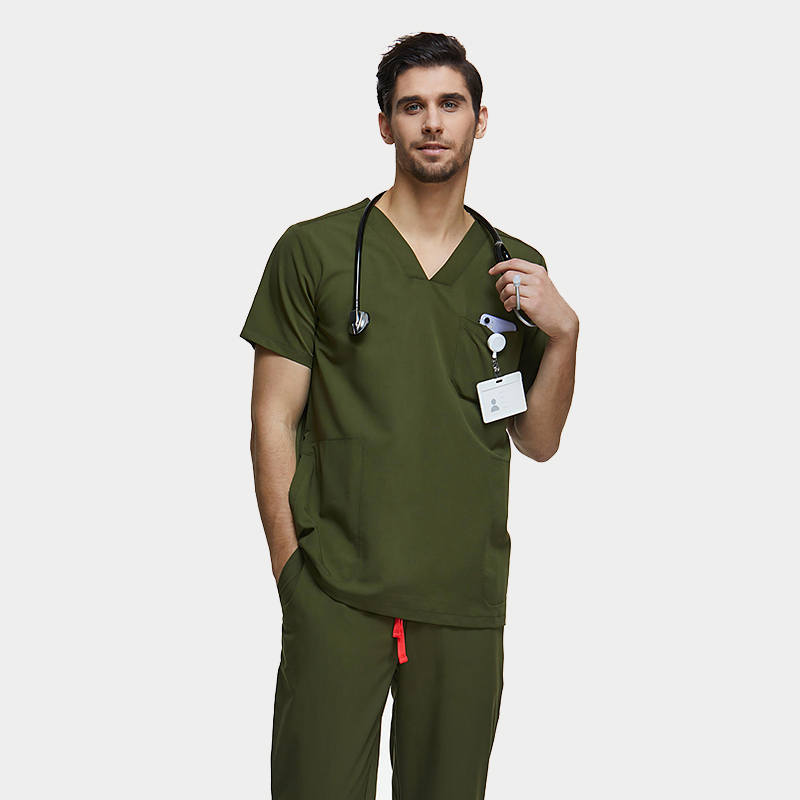
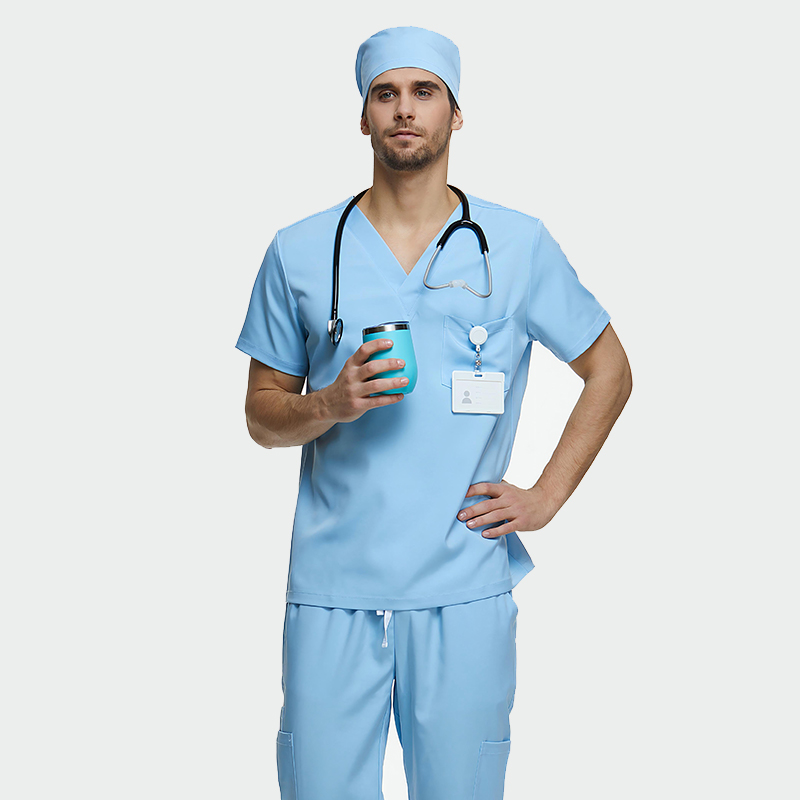
Hospital scrub pants have graduated from disposable, shapeless utility cottons into high-performance biomechanical wear. Across modern healthcare infrastructures, the demand for medical trousers balances pathogen containment, ergonomic endurance, and corporate brand standardization.
Modern scrub trousers serve as an indispensable initial barrier against bloodborne pathogens, body fluids, and sanitization chemicals. Advanced poly-blend weaves integrated with hydrophobic nanotechnology offer fluid-shedding capabilities compliant with AAMI Level standards while preventing microbial colonization during 14-hour continuous rotations.
Large enterprise hospital networks and private clinics utilize standardized uniform hues (Navy, Royal Blue, Maroon, Ceil, Hunter Green) to foster instantaneous departmental recognition. Strategic color-coded scrub bottoms decrease patient confusion, eliminate clinical role ambiguity, and elevate overall brand prestige across acute healthcare ecosystems.
Healthcare professionals bend, squat, lift, and sprint through emergency bays daily. Ergonomic scrub pants incorporating 4-way mechanical stretch, reinforced crotch gussets, flatlock safety seams, and non-slip athletic waistbands reduce shear stress, eliminate seam blowouts, and support physical wellness across exhausting shifts.
Each hospital wing presents unique operational stressors. Medical scrub pants must adapt seamlessly to varying humidity, physical load, fluid hazard levels, and cleanroom air classifications.
Emergency department clinicians operate under extreme spatial friction and unpredictable biological fluid exposure. In this domain, scrub bottoms must provide secure utility pocket configurations (shears, penlights, wireless telemetry pagers) while maintaining a high liquid barrier index.
Reinforced bar-tacking on stress points guarantees longevity through high-frequency kneeling and rapid bed transfers. The integrated moisture-wicking capillary network draws perspiration away from the skin, preventing hypothermic discomfort when entering refrigerated sterile rooms.
Surgical personnel demand zero particulate shedding to safeguard surgical fields against particulate-induced surgical site infections (SSI). Scrub pants designed for operating rooms feature low-linting composite synthetic weaves and anti-static filament grids to prevent electrostatic discharge near sensitive life-support monitors.
Autoclave resilience and compatibility with industrial wash chemistry (peracetic acid, hypochlorite treatments) ensure that repeated commercial wash cycles up to 75°C do not disrupt yarn integrity, colorfastness, or antimicrobial treatments.
In outpatient, dental, pediatric, and imaging departments, aesthetic cleanliness and customer-facing elegance intersect with all-day seated comfort. Radiology technicians, phlebotomists, and clinic doctors spend significant time alternating between desk terminals and patient examination stations.
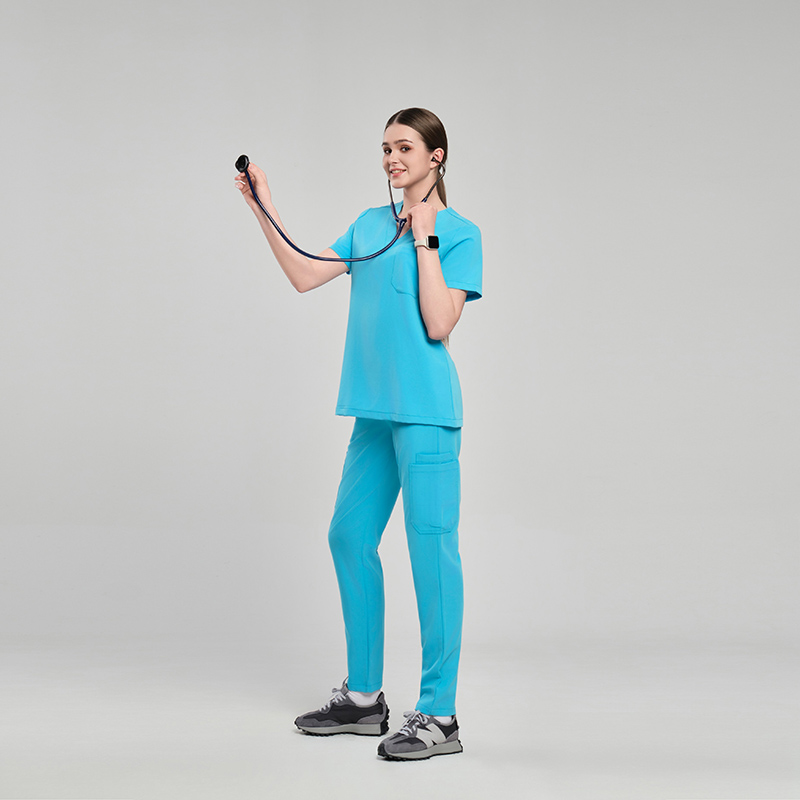
Tailored, tapered trouser silhouettes with jogger or straight-leg cuffs offer a clean, contemporary appearance that instills trust in patients while preventing hem dragging on clinical floors.
The company integrates design, development, sampling and large-scale production, with key products including food industry garments, ESD workwear, medical uniforms and cleanroom apparel.





Evaluating medical textiles requires empirical metrics. Discover why enterprise hospital groups favor composite performance fabrics over standard retail apparel.
| Evaluation Parameter | Commercial Hospital Group Grade | Standard Retail Scrub Pants | Clinical Advantage |
|---|---|---|---|
| Fiber Composition | 72% Poly / 21% Rayon / 7% Spandex Twill | 65% Poly / 35% Basic Cotton | Ultra-soft drape, 4-way mechanical stretch, non-pilling |
| Fluid Repellency | AATCC 22 Spray Rating > 90 (Durable Barrier) | Untreated (Immediate saturation) | Prevents blood & drug penetration during emergencies |
| Industrial Laundry Lifespan | 70+ cycles at 75°C (167°F) thermal wash | 15–20 domestic wash cycles | Lowers hospital annual uniform replacement costs by 45% |
| Seam Strength | 5-Thread Safety Interlock + Double Needle Stitch | Single Needle Overlock | Zero crotch seam tears or pocket blowouts during high mobility |
| Antimicrobial Bio-Shield | Silver Ion Polymeric Embedding (EPA Compliant) | None | Inhibits odor buildup and bacterial propagation between wards |
Compliant with rigorous international audit standards for uniform safety, workplace ethics, and quality management.



Step-by-step custom uniform manufacturing built for high-volume hospital contracts, brand tenders, and public healthcare systems.


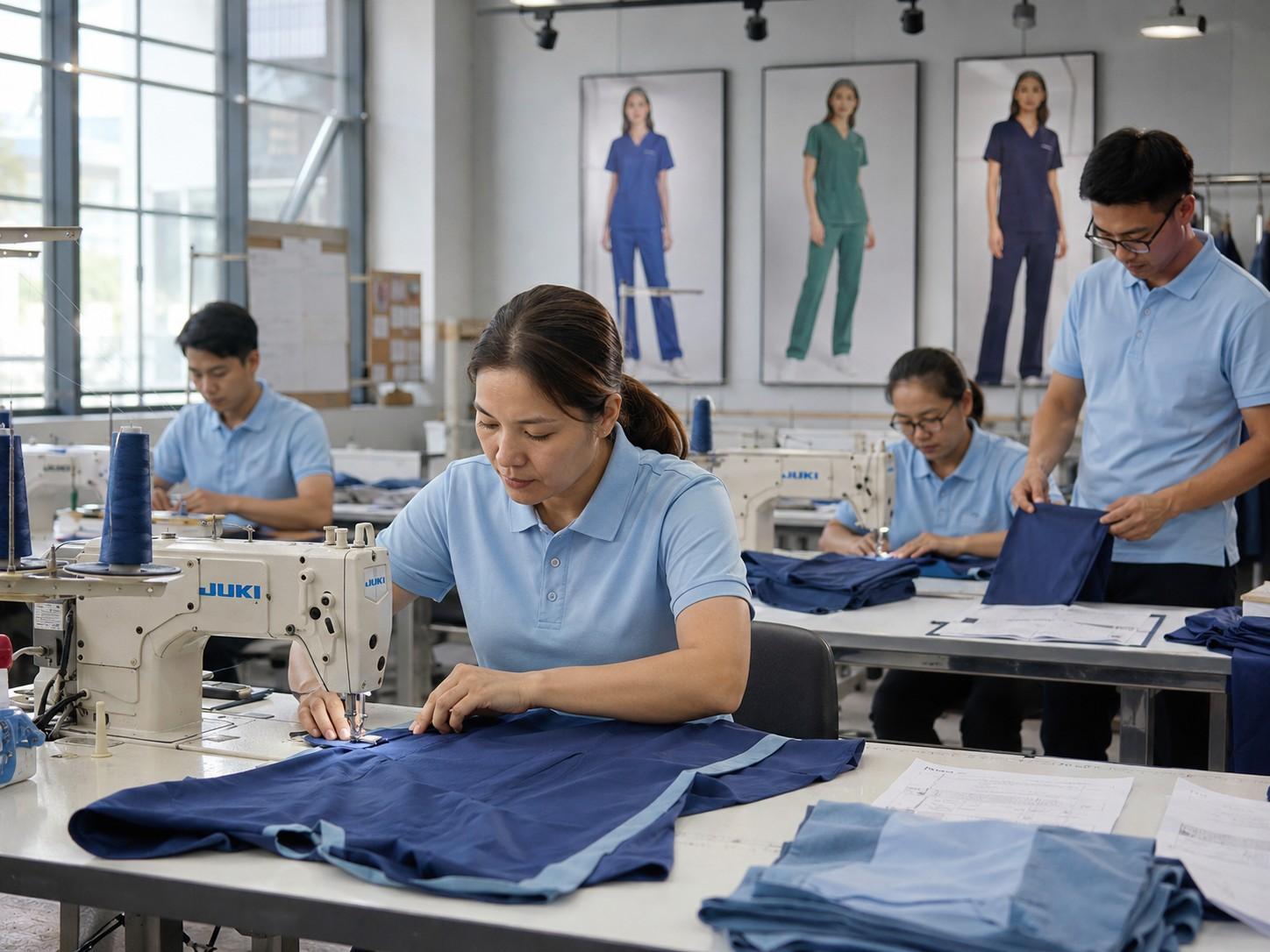
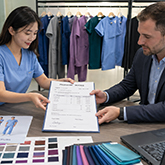
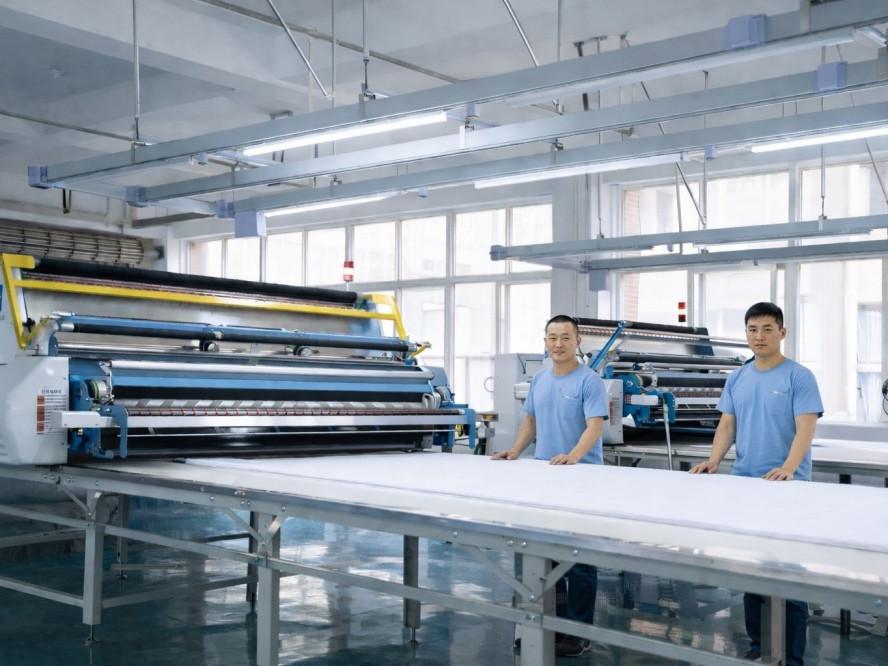
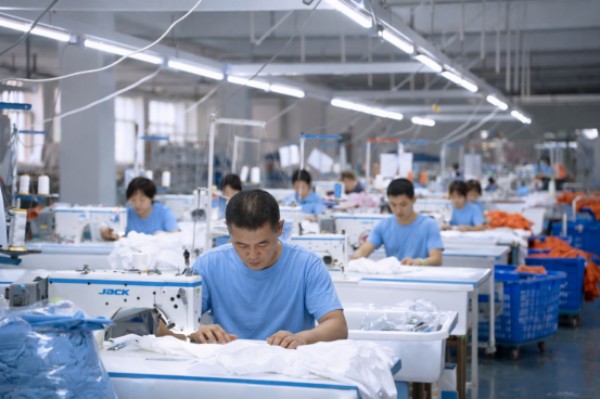
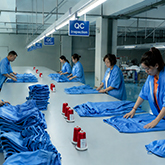
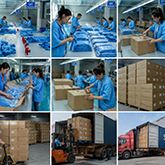

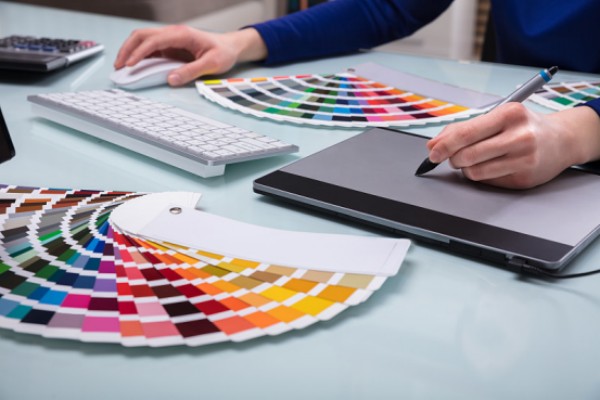
Complete turnkey concept-to-market solutions including proprietary design, tailored fabric engineering, and bulk container export.


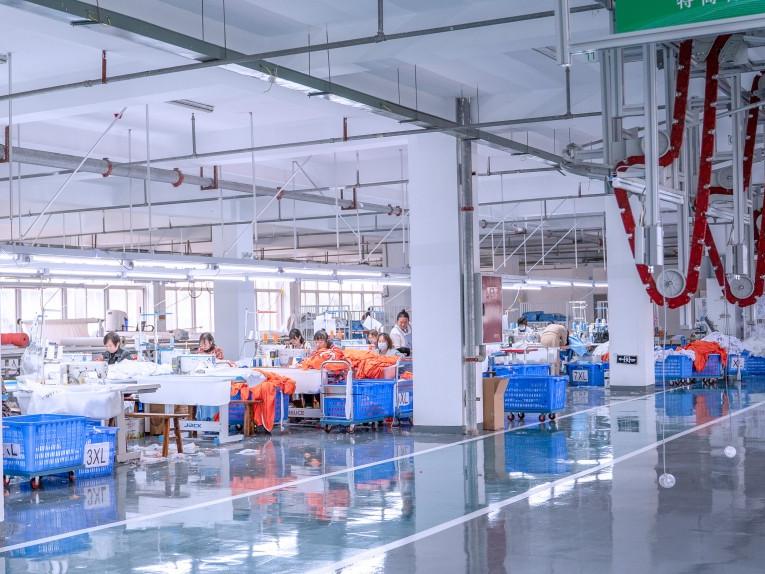
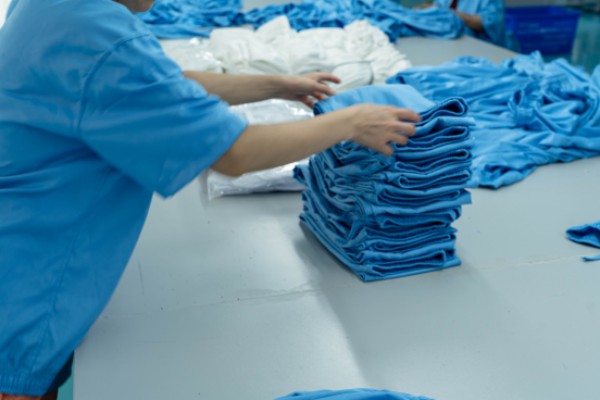
We specialize in the custom manufacturing of workwear for the medical, electronics, food, biopharmaceutical, and cleanroom industries. Through extensive project experience, we have developed strong capabilities in industry requirement understanding, product development, functional fabric application, quality control, and mass production delivery.


Strategic answers regarding bulk sourcing, fabric endurance, size grading, and industrial laundry stability for scrub pants and institutional medical apparel.
We employ standardized disperse dye chemistry with automated spectrophotometer testing to maintain batch-to-batch color variance below Delta E < 0.8. This ensures that scrub sets reordered 12 months later match existing hospital ward uniforms precisely.
Our medical trousers feature high-density five-thread safety interlock seams combined with diamond-gusseted crotch engineering. All pocket openings, scissor loops, and drawstring channels receive heavy-duty computer-programmed bar-tack reinforcements.
Yes. Our specialized hospital fabrics are engineered for commercial laundry facilities operating at temperatures up to 75°C (167°F) with chlorine and non-chlorine bleaches, displaying less than 2.5% residual shrinkage and zero resin hardening over 70+ wash cycles.
We provide precision hospital department embroidery, heat-transfer silicone logos, color-coded piping along waistband hems, custom woven labels, and radio-frequency identification (RFID) laundry chip integration for automated hospital linen asset tracking.
Browse our certified catalog of clinical scrub sets, tailored trousers, and functional hospital separates available for OEM private label and bulk institutional deployment.