
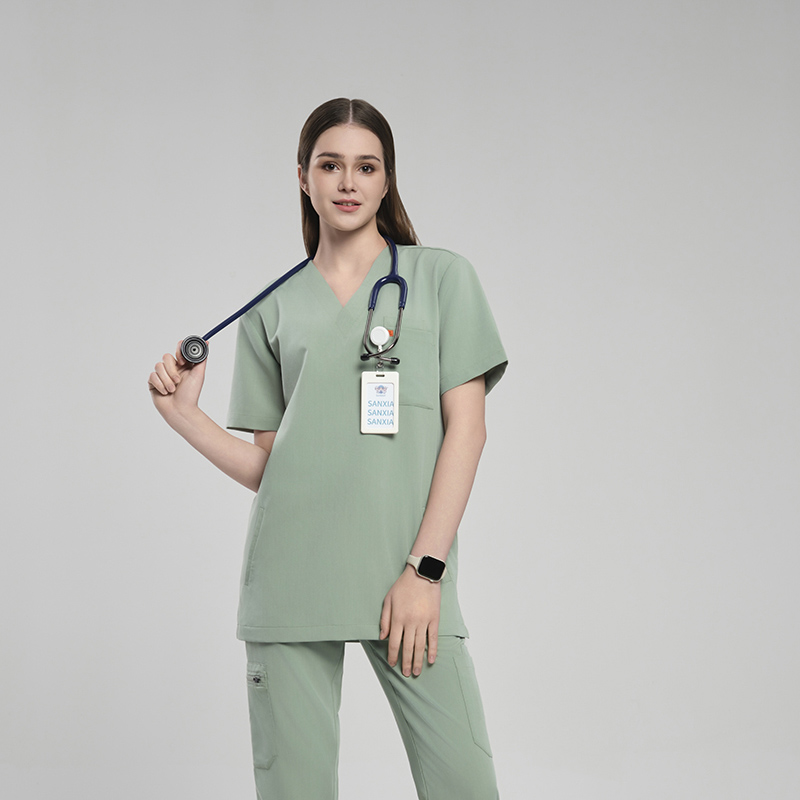
Industrial Landscape: Medical Scrub Jackets in Modern Biomanufacturing
A comprehensive examination of aseptic manufacturing protocols, cross-contamination prevention, and the evolution of specialized cleanroom protective apparel.
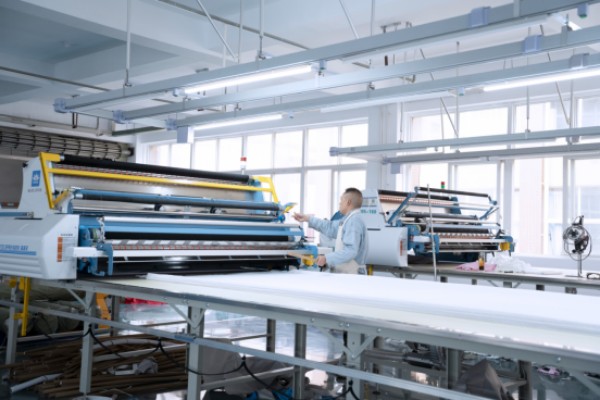
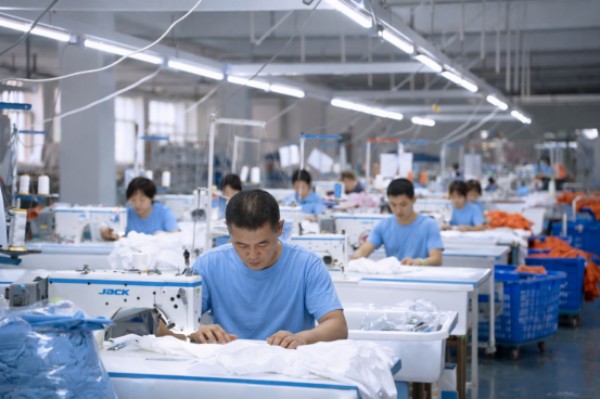
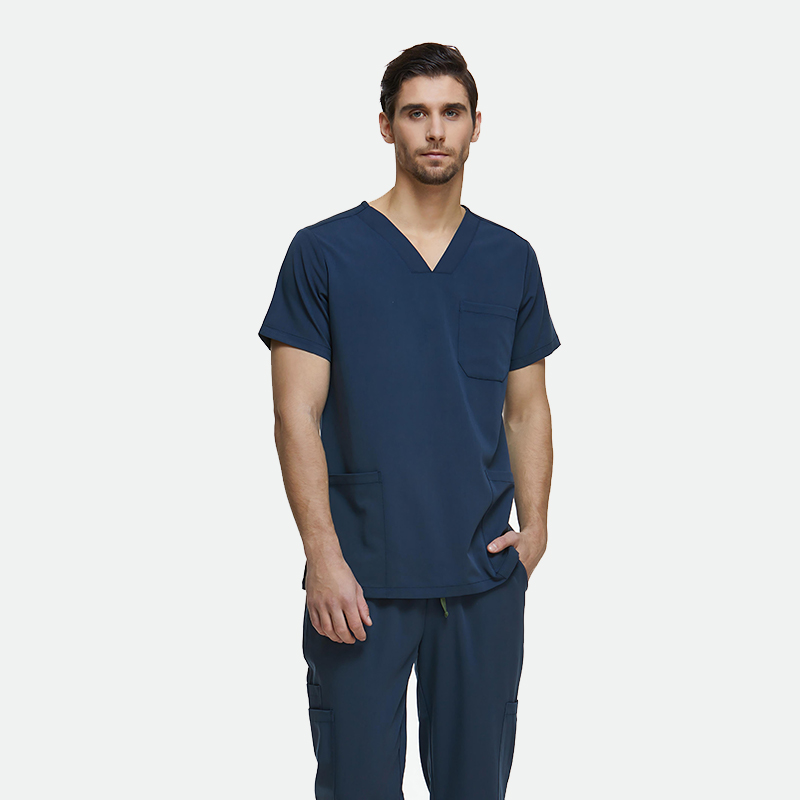
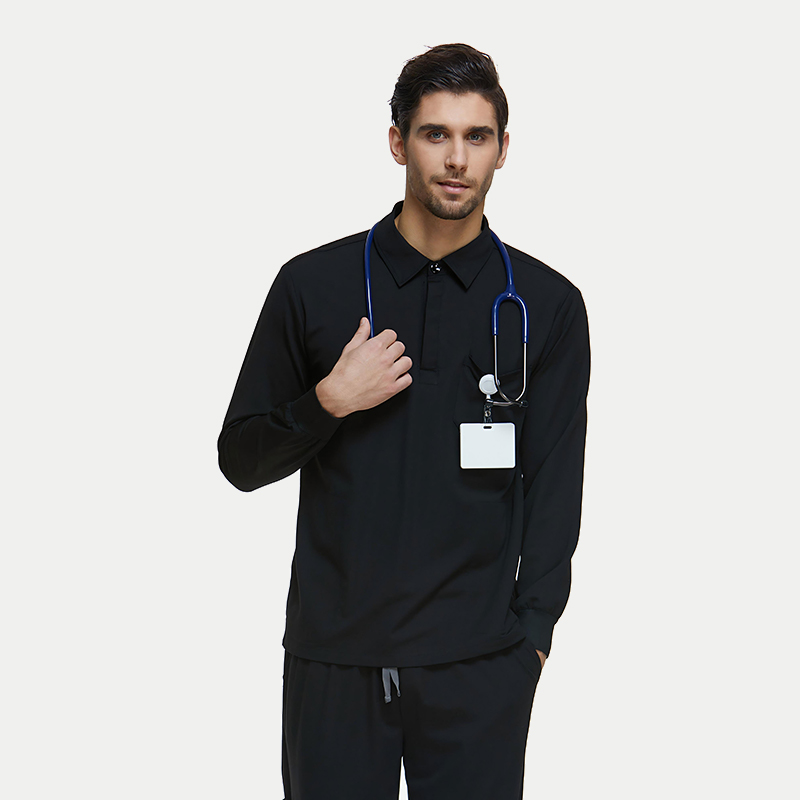
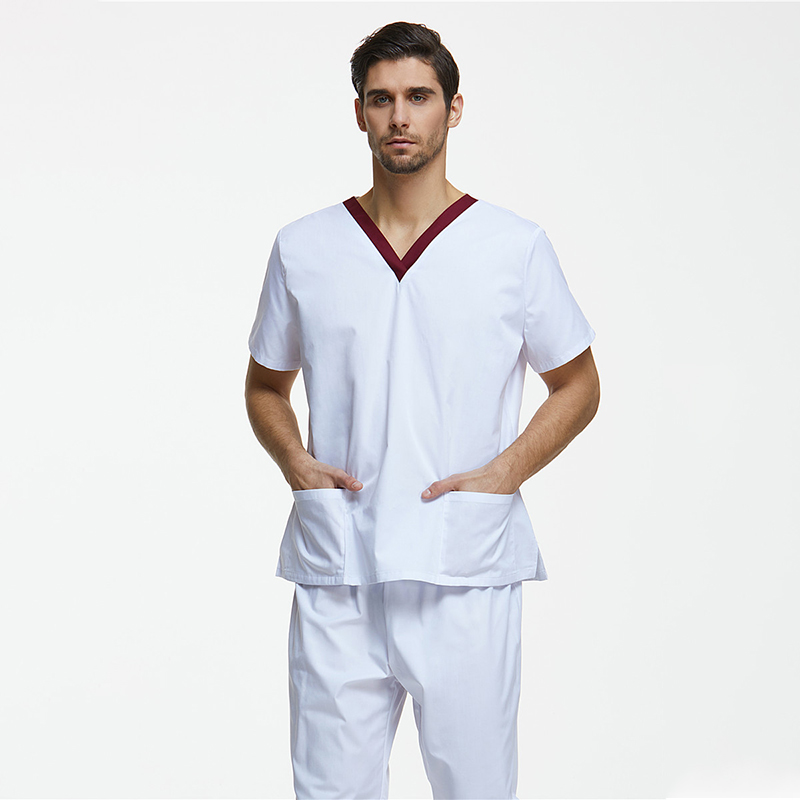
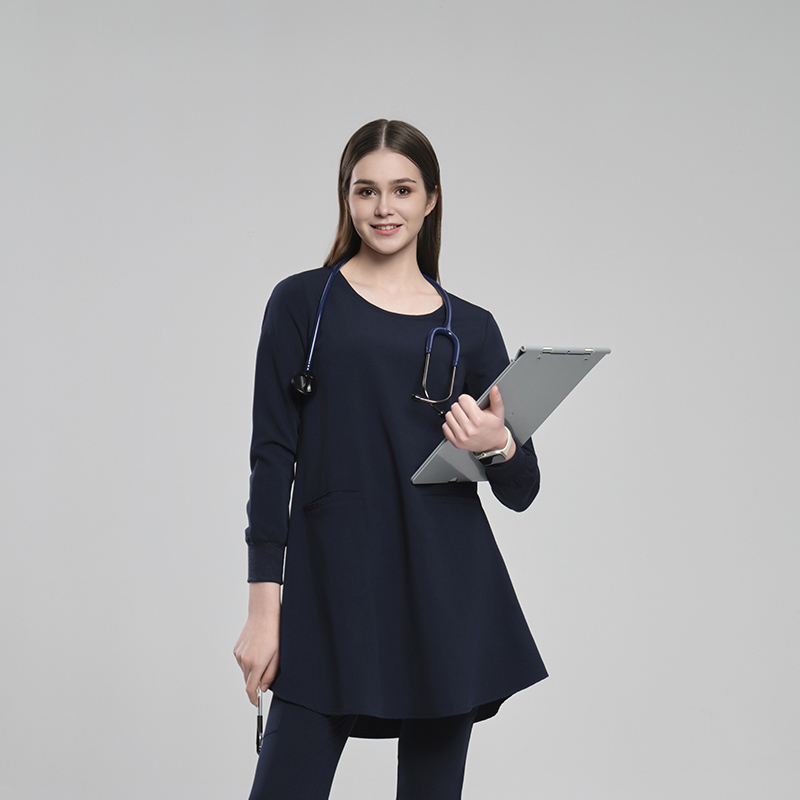
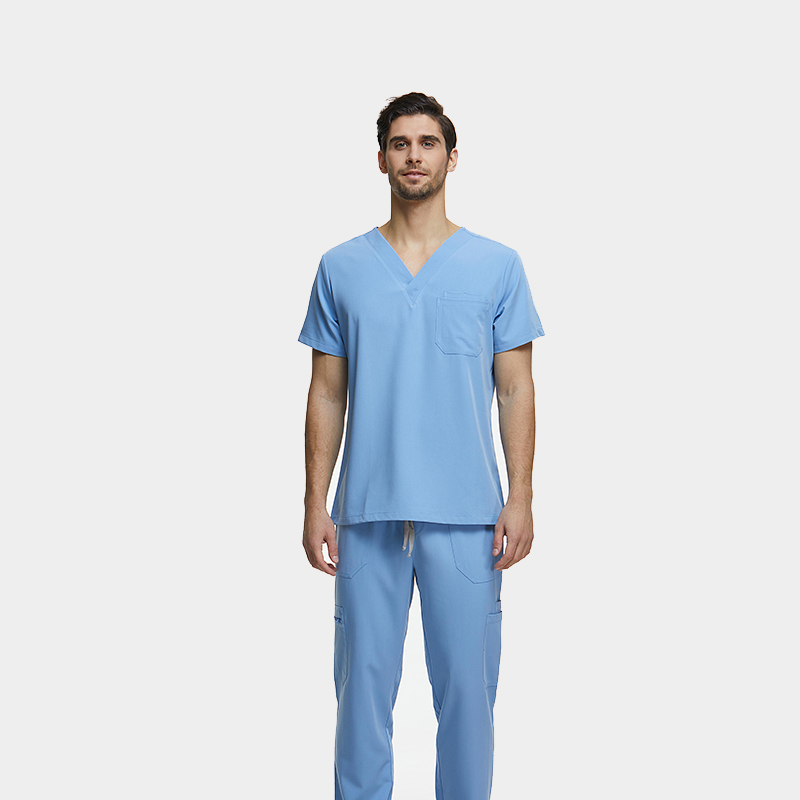
The global biopharmaceutical and commercial pharmaceutical manufacturing industries have undergone rapid structural shifts over the past decade. Driven by the mass commercialization of monoclonal antibodies (mAbs), mRNA therapeutics, viral vectors, and personalized cell and gene therapies (CGT), the purity requirements for manufacturing spaces have reached unprecedented levels. In high-standard cleanroom environments (governed by ISO 14644-1 standards and EU/FDA Annex 1 Good Manufacturing Practice guidelines), human personnel remain the primary source of particulate and microbiological shedding. As a consequence, medical scrub jackets for pharmaceutical and biopharmaceutical facilities are no longer treated as simple uniform garments; they have evolved into critical frontline containment systems designed to protect both the cleanroom environment and the operator.
Aseptic Barrier & Shedding Control
Utilizing high-density, low-lint continuous filament microfibers to prevent shedding of sub-micron human skin flakes and synthetic particles into sterile suites.
Integrated ESD Conductive Shielding
Micro-carbon or silver grid filaments woven throughout the textile matrix dissipate static charges, preventing equipment calibration errors and explosive powder ignition.
Autoclave & Chemical Endurance
Resistant to aggressive decontamination protocols including repeated vaporized hydrogen peroxide (VHP), gamma irradiation, and high-pressure steam autoclaving.
Technical Standards and Cleanroom Classification Alignment
In biopharmaceutical facilities, operational zones are strictly demarcated from CNC (Controlled Non-Classified) prep areas to Grade A/B aseptic filling suites. Medical scrub jackets, scrub sets, and cleanroom garments must strictly adhere to the particulate emissions and electrostatic dissipation requirements of each specific envelope:
| Cleanroom Classification | Facility Application Scenario | Garment Material & Construction Specs | Sterilization & Laundry Standards |
|---|---|---|---|
| ISO 8 / Grade D | Secondary packaging, equipment washrooms, material airlocks | Polyester-cotton blends with fluid repellent coating, knit cuffs | Standard industrial bio-laundry, thermal washing at 60°C+ |
| ISO 7 / Grade C | Media formulation, buffer prep, fermentation corridors | 100% Continuous filament polyester with 5mm grid conductive yarn | Cleanroom particulate laundry, HEPA drying, ISO 5 packaging |
| ISO 5 / Grade B & A Undergarments | Aseptic core transitions, sterile filtration, isolator operations | Ultra-dense barrier weave, sealed seams, high collar, zip closure | Autoclavable at 121°C / 134°C, validated sterile RABS-compatible |
Emerging Technology Trends in Biopharma Apparel
Technological progression in smart textiles and sustainable manufacturing is reshaping the industrial workwear sector. Four macro trends are defining the future of pharmaceutical scrub jackets:
1. Smart RFID Tracking for Cycle Validation: Leading biopharmaceutical plants have adopted automated UHF RFID chip insertion into the hems of scrub jackets and coats. This facilitates automated tracking of washing cycles, autoclave sterilization validation, and lifecycle phase-out schedules, ensuring full 21 CFR Part 11 audit compliance without manual logging error.
2. Bio-Circular and Recycled Monomer Fabrics: Sustainability mandates have spurred the formulation of chemically recycled polyester (rPET) derived from post-industrial cleanroom textile waste. These closed-loop fabrics deliver the identical zero-linting and tensile strength performance of virgin filaments while drastically reducing facility carbon footprints.
3. Advanced Ergonomics and Thermal Regulation: Biopharma operators working within positive-pressure isolators or cold-room purification suites (maintained at 4°C to 15°C) face unique thermal challenges. Next-generation scrub jackets integrate micro-channel breathable membranes that maintain body temperature equilibrium while blocking liquid penetration from chemical reagents and bio-buffers.