
- Home
- Products
- OEM Service
- Industry Solutions
- Case Studies
- About Us
- Resources
- Contact
inquiry now
Leave Your Message




In the contemporary landscape of food science, the line between industrial production and laboratory research has blurred. As global food safety standards like HACCP (Hazard Analysis and Critical Control Points) and GMP (Good Manufacturing Practice) become more stringent, the demand for specialized Food Processing Uniforms For Laboratories And Research Institutions has reached an all-time high. These environments are the front lines of innovation, where new preservatives are tested, nutritional profiles are analyzed, and pathogen detection methods are perfected.
The commercial status of the workwear industry is currently undergoing a paradigm shift. No longer are uniforms seen as mere "clothing"; they are now classified as essential laboratory equipment. For research institutions, the uniform serves as a primary barrier against cross-contamination. In a microbiology lab testing for Salmonella or E. coli, a single fiber shed from a non-compliant garment could compromise months of expensive research. This has led to a surge in the adoption of high-performance fabrics that offer both antimicrobial properties and lint-free construction.
We are seeing a move toward "Smart Textiles." Future food processing uniforms for laboratories may soon incorporate integrated sensors to monitor the wearer’s body temperature or detect the presence of volatile organic compounds (VOCs) in the air. While these technologies are in their nascent stages, the current trend focuses heavily on ergonomic design and sustainable materials. Scientists and technicians often spend 8-12 hours in these garments; therefore, breathability and moisture-wicking capabilities are no longer "optional extras" but core requirements for maintaining focus and productivity in high-pressure research settings.
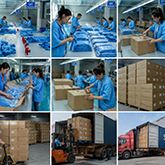
Tailored manufacturing solutions for global research brands.


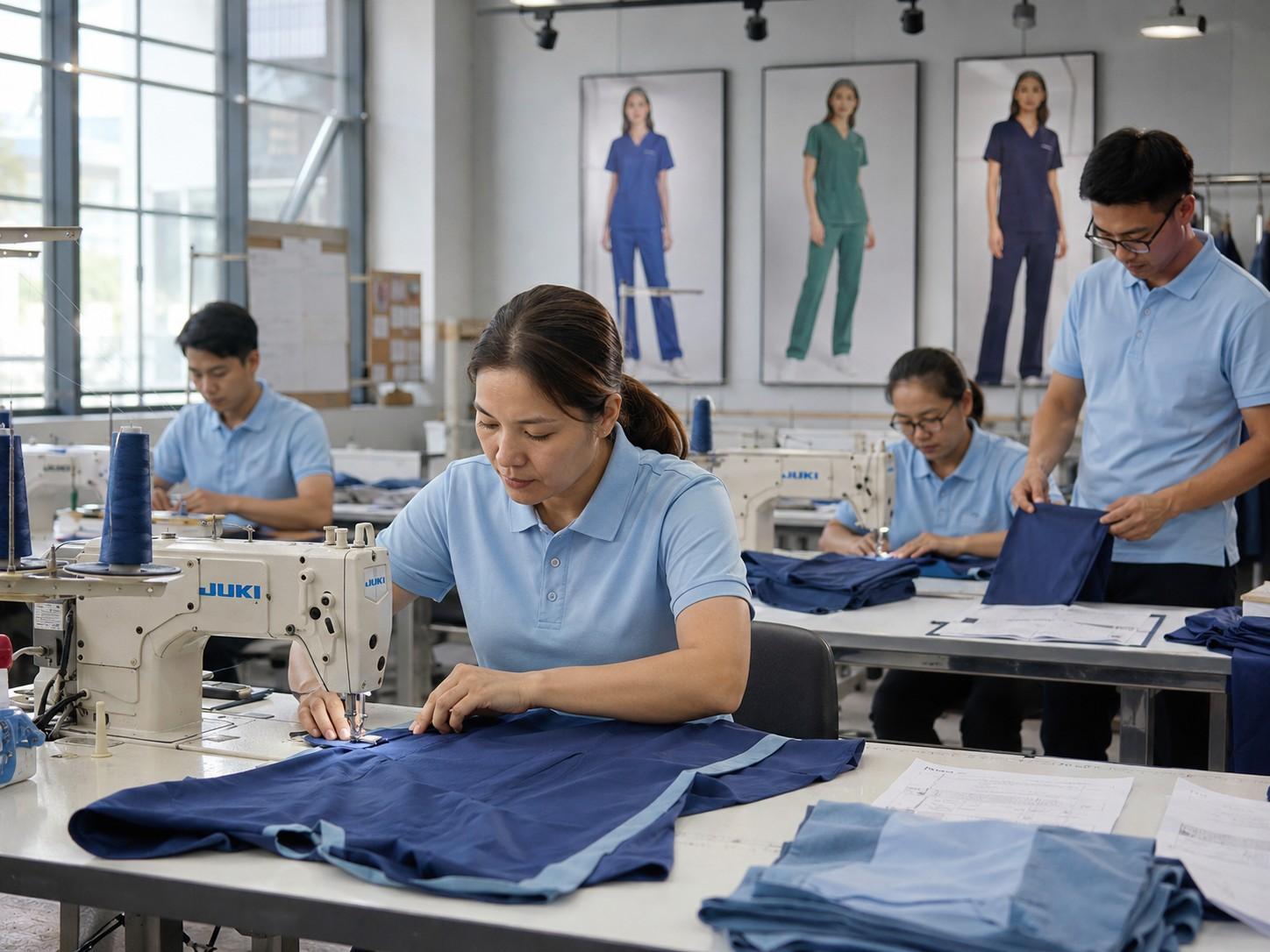

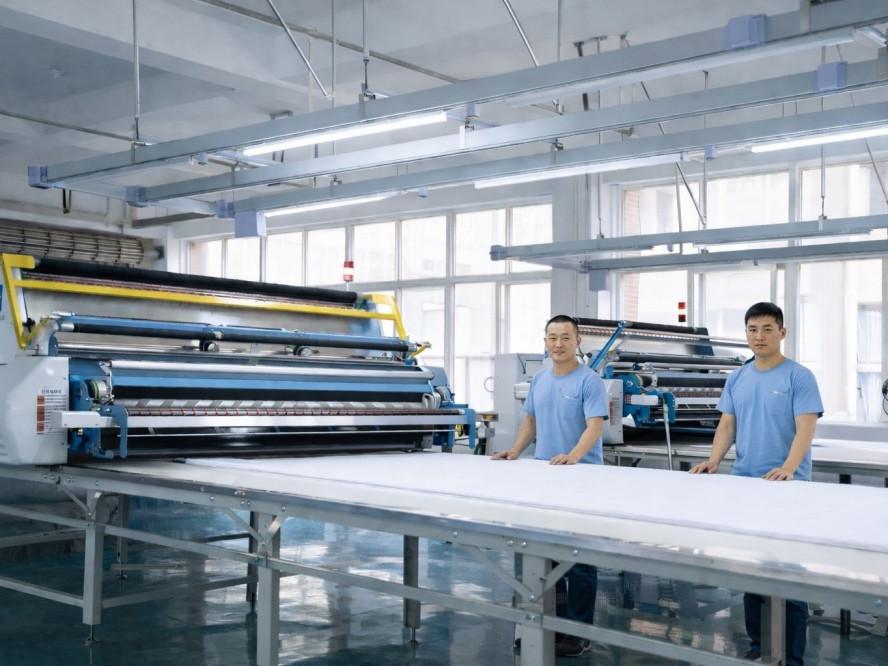
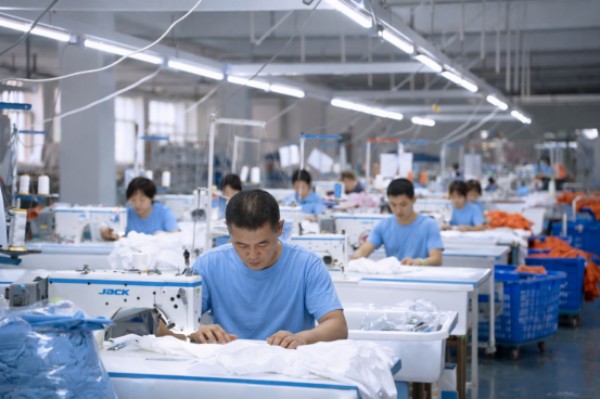

The application of food processing uniforms within research institutions is diverse. Each sub-sector of food science requires a unique set of functional properties from their workwear:
In labs focusing on foodborne illnesses, uniforms must act as a sterile barrier. We utilize high-density synthetic fibers that prevent the migration of bacteria from the researcher’s skin to the samples. These uniforms are often subjected to rigorous sterilization cycles, including autoclaving, meaning the fabric must maintain its structural integrity under high heat and pressure.
In sensory analysis, where human subjects test food for taste, smell, and texture, the uniforms must be completely odor-neutral. Standard cotton fabrics can trap ambient smells, which might interfere with the olfactory results of a study. Our specialized lab coats for sensory institutions are treated with odor-neutralizing finishes to ensure a "blank slate" environment.
Food chemists working with reagents and pilot plant operators testing large-scale food processing machinery require protection against chemical splashes and mechanical hazards. Here, the uniform transitions into a piece of Personal Protective Equipment (PPE). We integrate oil-resistant and acid-resistant coatings into the fabric without sacrificing the flexibility needed for operating complex machinery.
Furthermore, the rise of Plant-Based Meat Research has introduced new challenges. The proteins used in these labs are often highly "sticky" and prone to staining. Uniforms in these facilities require advanced soil-release technology, allowing them to be cleaned thoroughly at lower temperatures, thus saving energy and extending the garment's lifecycle.
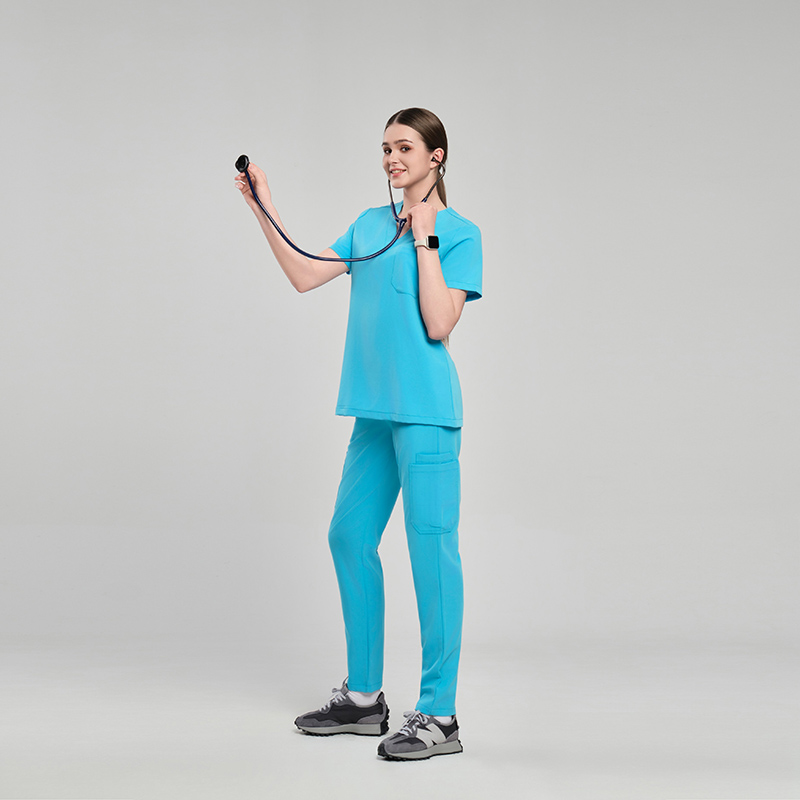
From concept to creation: Innovative product development.



What sets high-quality food processing uniforms apart from standard workwear is the engineering behind the textile. In research institutions, the "Total Cost of Ownership" (TCO) is a vital metric. A cheap lab coat that degrades after ten washes is far more expensive than a premium, high-durability garment that lasts for hundreds of industrial laundry cycles.
Our research-grade uniforms utilize a blend of long-staple cotton and high-tenacity polyester. This combination provides the comfort of natural fibers with the durability and color-fastness of synthetics. For cleanroom-integrated food labs, we incorporate conductive carbon fibers in a grid pattern to provide permanent anti-static (ESD) protection, preventing static discharge that could damage sensitive analytical instruments like Mass Spectrometers or HPLC systems.
Modern institutions are under pressure to reduce their environmental footprint. We are responding by offering uniforms made from recycled polyester (rPET) derived from ocean-bound plastics. Moreover, our manufacturing process focuses on reducing water consumption during the dyeing phase. By choosing sustainable food processing uniforms, research institutions can align their operational practices with their scientific goals of creating a more sustainable food future.
Navigating the complex world of international standards is a core part of our service. Our uniforms are designed to meet and exceed:

We match HACCP, GMP, and cleanroom standards to your specific production environment.

Flexible customization from sample-based production to full product development.

Moisture-wicking, anti-static, antibacterial, and UV protection options available.

Strict quality control from fabric selection to final manufacturing for reliable batches.

Adjustable production schedules to meet your specific project timelines and volumes.

Complete solutions including work caps, aprons, and specialized work shoes.




As we look toward 2030, the integration of AI in the manufacturing of Food Processing Uniforms For Laboratories And Research Institutions is becoming a reality. AI-driven pattern making ensures zero-waste production, while digital twins of garments allow institutions to simulate the wear and tear of uniforms before they are even manufactured. This level of precision is essential for research institutions that operate on the bleeding edge of science.
In conclusion, the right uniform is a silent partner in scientific discovery. It protects the researcher, preserves the integrity of the sample, and upholds the reputation of the institution. By focusing on functional performance, regulatory compliance, and technological innovation, we provide the foundation upon which the future of food science is built.