- Home
- Products
- OEM Service
- Industry Solutions
- Case Studies
- About Us
- Resources
- Contact
inquiry now
Leave Your Message
Engineered to meet the strict hygiene, anti-slip, and safety standards required in modern French food processing environments.




Paris and the wider Île-de-France region represent one of Europe's most dynamic economic engines, not only for fashion and technology but also for food production, processing, and distribution. At the heart of this ecosystem is the legendary Rungis International Market (Marché d'Intérêt National de Rungis), the largest fresh produce market in the world. Covering over 234 hectares and serving as the primary distribution hub for millions of European consumers, Rungis demands the highest standards of hygiene and safety. Workers handling dairy, meat, seafood, and fresh vegetables require specialized work shoes that prevent slips on wet, greasy floors while maintaining absolute cleanliness.
Beyond wholesale hubs, Paris is home to hundreds of industrial kitchens, high-throughput catering services preparing meals for corporate headquarters, schools, and hospitals, as well as artisanal yet scaled-up patisseries and bakeries. The French food manufacturing sector is subject to intense regulatory oversight. Under French labor laws and European Union directives, food safety (HACCP compliance) and worker safety are deeply intertwined. Selecting the correct food factory work shoes in Paris is not merely a preference; it is a legal and operational necessity to mitigate risks of cross-contamination and workplace injuries.
Every food processing facility operating in the Île-de-France region must comply with the Code du travail (French Labor Code), which mandates that employers provide appropriate Personal Protective Equipment (PPE). For safety footwear, this translates to compliance with EN ISO 20345 (safety shoes with toe protection) or EN ISO 20347 (occupational shoes without toe caps), with specific emphasis on SRC slip resistance ratings to handle wet tile and stainless steel surfaces.
In recent years, the food manufacturing industry in Paris has shifted toward high-performance, lightweight synthetic materials. Traditional heavy leather clogs are being replaced by advanced polyurethane (PU) and water-resistant microfiber materials. These modern materials offer superior resistance to animal fats, lactic acids, and harsh industrial cleaning chemicals like sodium hydroxide. Furthermore, sustainability is becoming a key purchasing factor. Paris-based companies are actively seeking eco-friendly supply chains, prompting manufacturers to innovate with recycled materials and energy-efficient production methods without compromising safety certifications.
Our streamlined OEM workflow ensures that your specific branding, material configurations, and design requirements are executed with absolute precision.


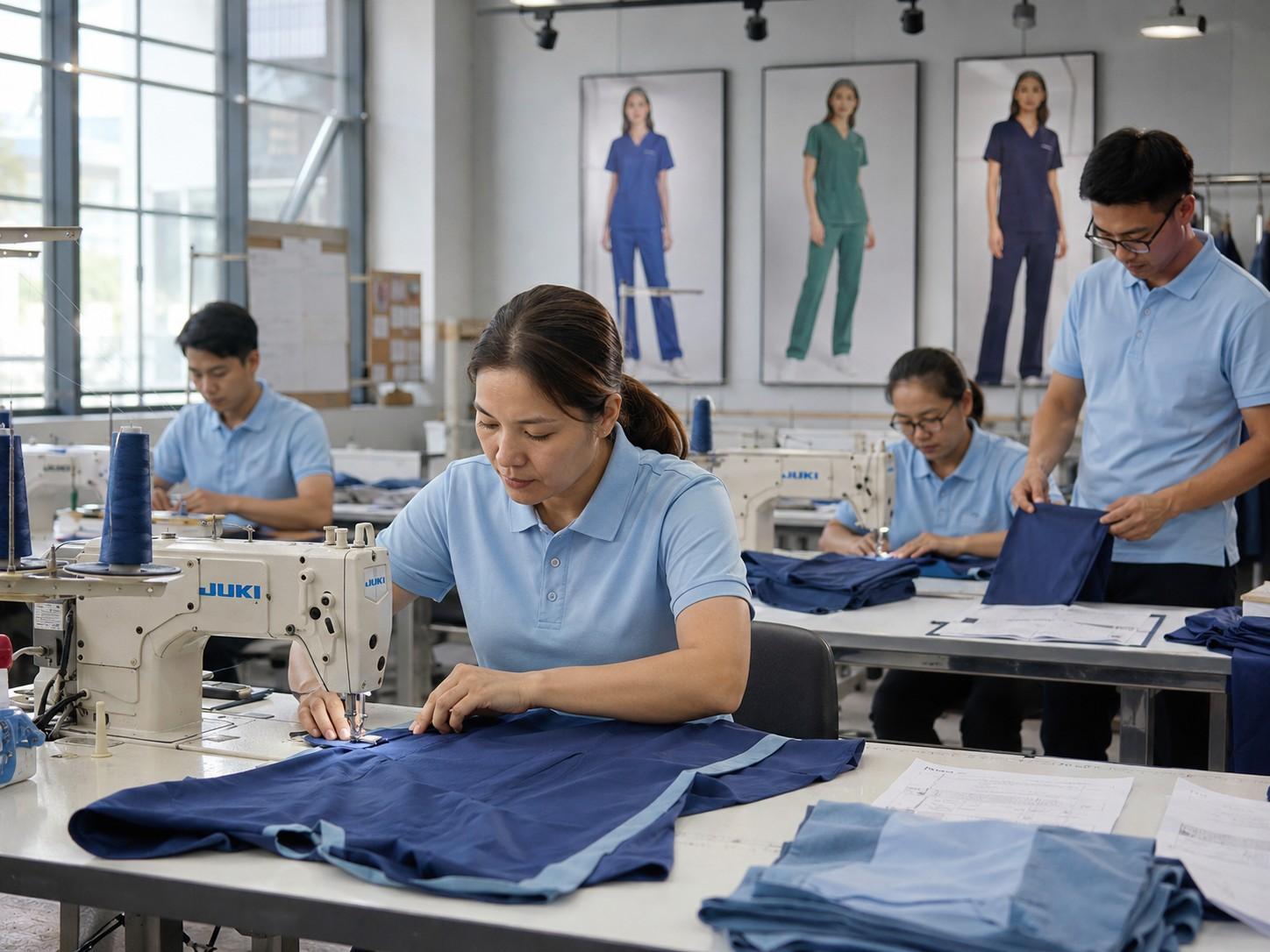
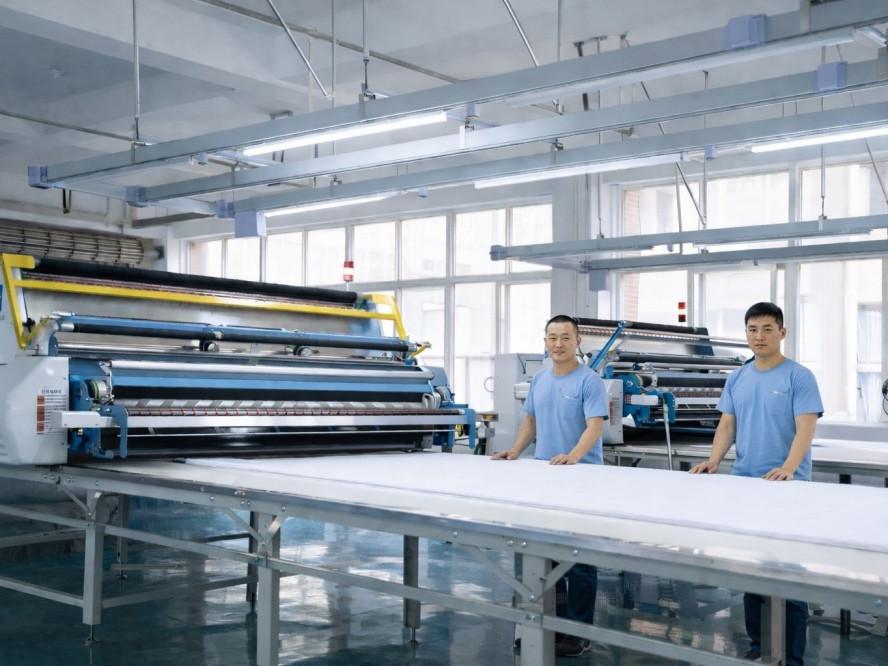
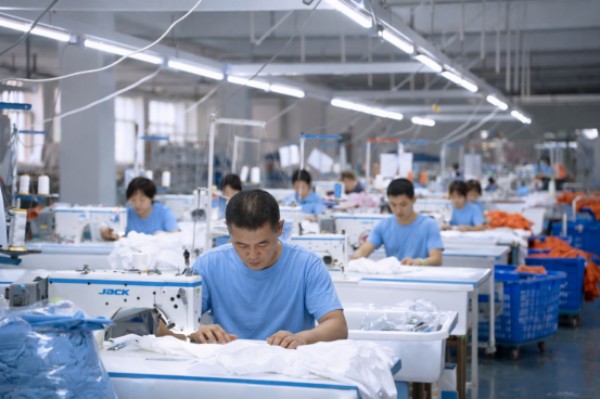
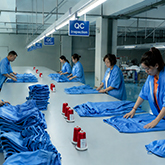
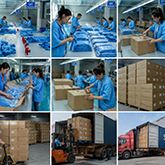

From market analysis to full-scale product launch, our team co-creates custom protective gear tailored for the European market.

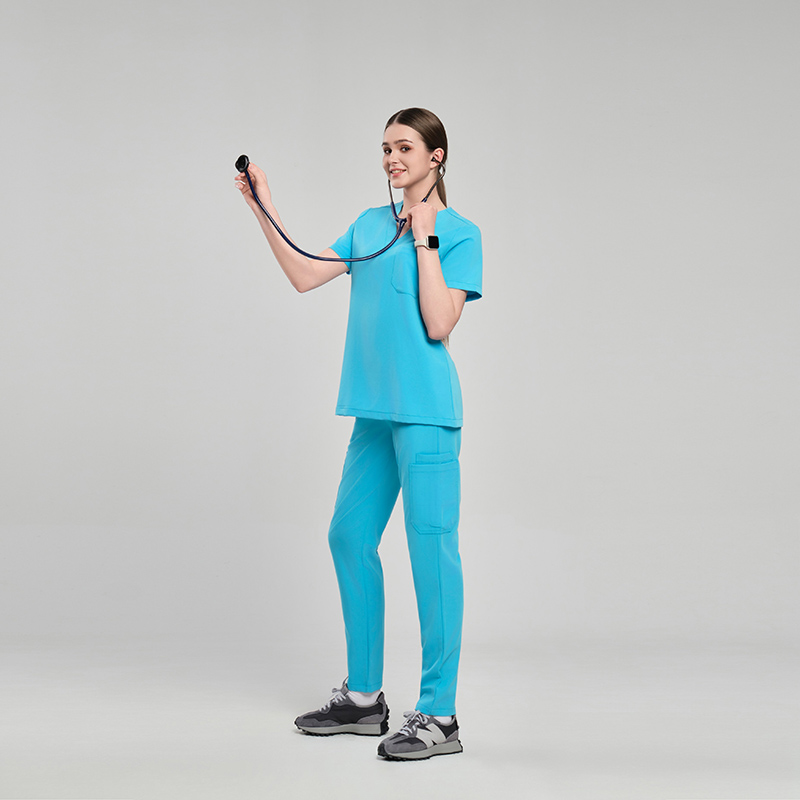
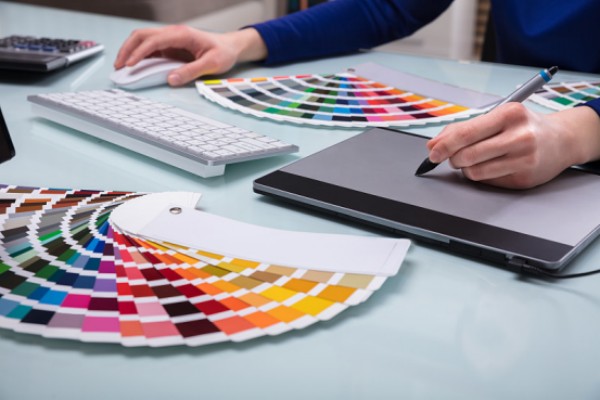

Understanding where and how workwear and safety footwear are deployed is essential for optimizing procurement budgets. In Paris, we categorize the application of food factory work shoes into four distinct high-demand scenarios:
In facilities handling fresh seafood or raw meats, floors are constantly sprayed with water and sanitized with heavy detergents. Safety shoes in these areas require S4 or S5 classification—meaning they are completely waterproof and feature protective steel or composite toe caps. The tread design must have wide channels to disperse liquids easily, preventing hydroplaning on slick tile surfaces.
Paris is world-famous for its baked goods, but industrial-scale production involves extreme heat, flour dust, and oils. Footwear in these environments must withstand contact heat (HRO certified) and prevent slipping on dry flour spills. Breathability is also a major focus, as bakers stand near ovens for 8-to-12-hour shifts.
Yogurt, cheese, and milk processing plants involve exposure to organic acids and biological agents. The upper material of the work shoes must resist degradation from lactic acids. Microfiber uppers treated with antibacterial coatings are ideal here, preventing bacterial colonization and bad odors.
Modern food packaging lines utilize automated sorting machines and robotics. Workers in these zones require ESD (Electrostatic Discharge) protection to prevent static electricity from damaging sensitive electronics or attracting dust particles to food packaging. Our specialized ESD workwear and matching shoes ensure static charges are safely grounded.
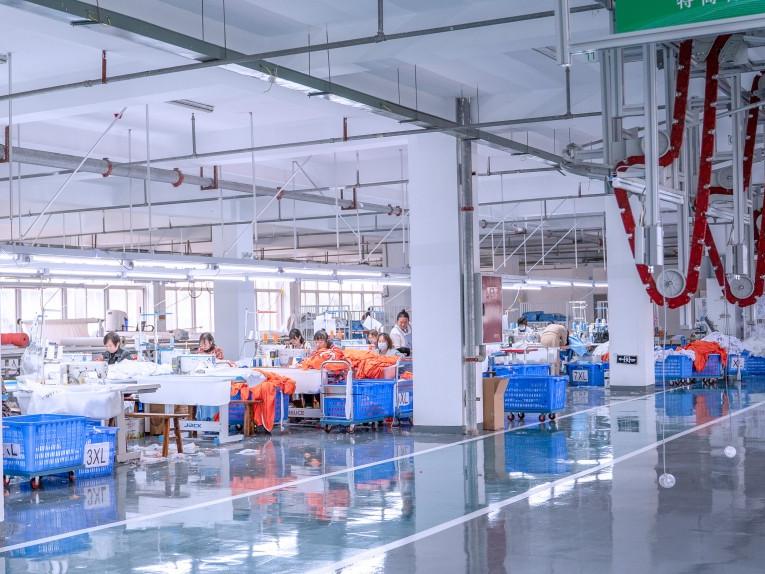
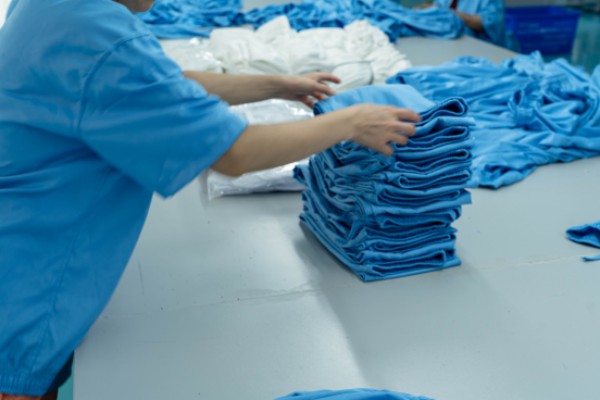
We specialize in the custom manufacturing of workwear for the medical, electronics, food, biopharmaceutical, and cleanroom industries. Through extensive project experience, we have developed strong capabilities in industry requirement understanding, product development, functional fabric application, quality control, and mass production delivery.

We are familiar with the customization requirements and workwear standards of different industries, including HACCP, GMP, and cleanroom-related requirements. This enables us to provide workwear solutions that better match customers’ actual production environments.

We support multiple cooperation models, from sample-based production and specification adjustment to full product development, providing flexible OEM and ODM customization services based on customer needs.

We focus on the functional performance of workwear in real-world applications, offering options such as moisture-wicking and quick-drying, anti-static, antibacterial, UV protection, and oil-resistant performance according to different application scenarios.

We implement strict quality control throughout the entire process, from fabric selection and accessory configuration to production and manufacturing. This helps ensure stable batches, consistent sizing, reliable workmanship, and long-term repeat purchasing needs.

We provide design, sampling, small-batch production, and mass production services. Production schedules can be flexibly adjusted according to order volume and delivery requirements, helping customers achieve more stable and efficient project delivery.

In addition to workwear, we also provide matching work caps, aprons, work shoes, and other related products, making it easier for customers to conduct centralized purchasing, unified image management.
Procuring safety workwear in France requires a strategic approach to balance compliance, comfort, and cost-efficiency. When requesting quotes for your Paris-based food facility, consider the following key parameters to ensure you receive accurate and competitive pricing:
Our team provides fast, transparent, and comprehensive quotes tailored to the specific regulatory landscape of the French food sector. Whether you are operating a high-capacity bakery in the suburbs of Paris or managing a distribution center in Rungis, we deliver solutions that keep your workforce safe and compliant.
Our products are manufactured under rigorous quality control systems certified by global standard organizations.



Explore our full selection of protective apparel and footwear, optimized for the food, pharmaceutical, and cleanroom sectors in Paris.