
- Home
- Products
- OEM Service
- Industry Solutions
- Case Studies
- About Us
- Resources
- Contact
inquiry now
Leave Your Message
The global pharmaceutical and biopharmaceutical landscape is undergoing a radical transformation. With the rise of advanced therapy medicinal products (ATMPs), including gene and cell therapies, the demand for ultra-clean environments has never been higher. Cleanroom workwear is no longer just "clothing"; it is a critical piece of contamination control equipment. In a facility where a single human skin cell or a microscopic fiber can compromise a multi-million dollar batch of medicine, the integrity of the workwear is paramount.
Current industrial data suggests that the cleanroom apparel market is expanding at a CAGR of over 6% annually, driven largely by the stringent GMP (Good Manufacturing Practice) Annex 1 revisions. These regulations emphasize the need for robust gowning systems that prevent human-derived contamination—the primary source of particles in sterile environments. Modern facilities are shifting from standard polyester garments to high-tech, microporous, and carbon-infused fabrics that offer 99.9% filtration efficiency against sub-micron particles.
Compliance is not optional; it is the foundation of patient safety.
In pharmaceutical manufacturing, the "one size fits all" approach to workwear is obsolete. Different zones require specific technical attributes:
Our Sanxia cleanroom solutions are engineered specifically for these rigorous environments, ensuring that every seam, zipper, and cuff meets the highest international standards.
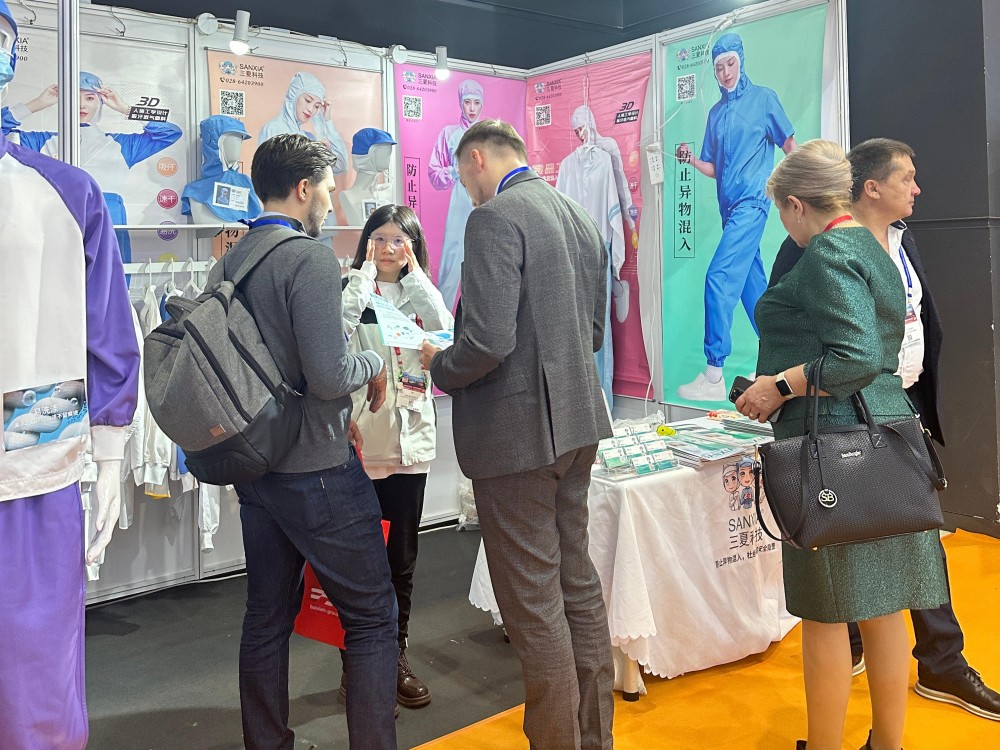
The future of cleanroom workwear is being shaped by three major pillars:
1. Smart Monitoring: Imagine a garment that can alert the user if the fabric's integrity is compromised or if the wearer’s body temperature is rising to a level that increases skin shedding. RFID tracking is already becoming standard for managing the laundry cycles of reusable garments, ensuring that no piece of workwear exceeds its validated lifespan.
2. Ergonomic "Human-Centric" Design: Historically, cleanroom suits were uncomfortable "space suits." Modern trends focus on breathability and moisture management. Using advanced weaving techniques, we can now create fabrics that are highly occlusive to particles but permeable to water vapor, significantly reducing wearer fatigue during long shifts in the aseptic suite.
3. Sustainability vs. Sterility: While disposable garments offer convenience, the environmental impact is massive. The industry is pivoting back to high-durability reusables that can withstand up to 100 sterilization cycles, coupled with green laundry processes. Sanxia is at the forefront of this movement, developing fabrics that maintain their barrier properties even after extensive autoclaving.
Official certifications & qualifications, demonstrating our professional strength and reliable quality.
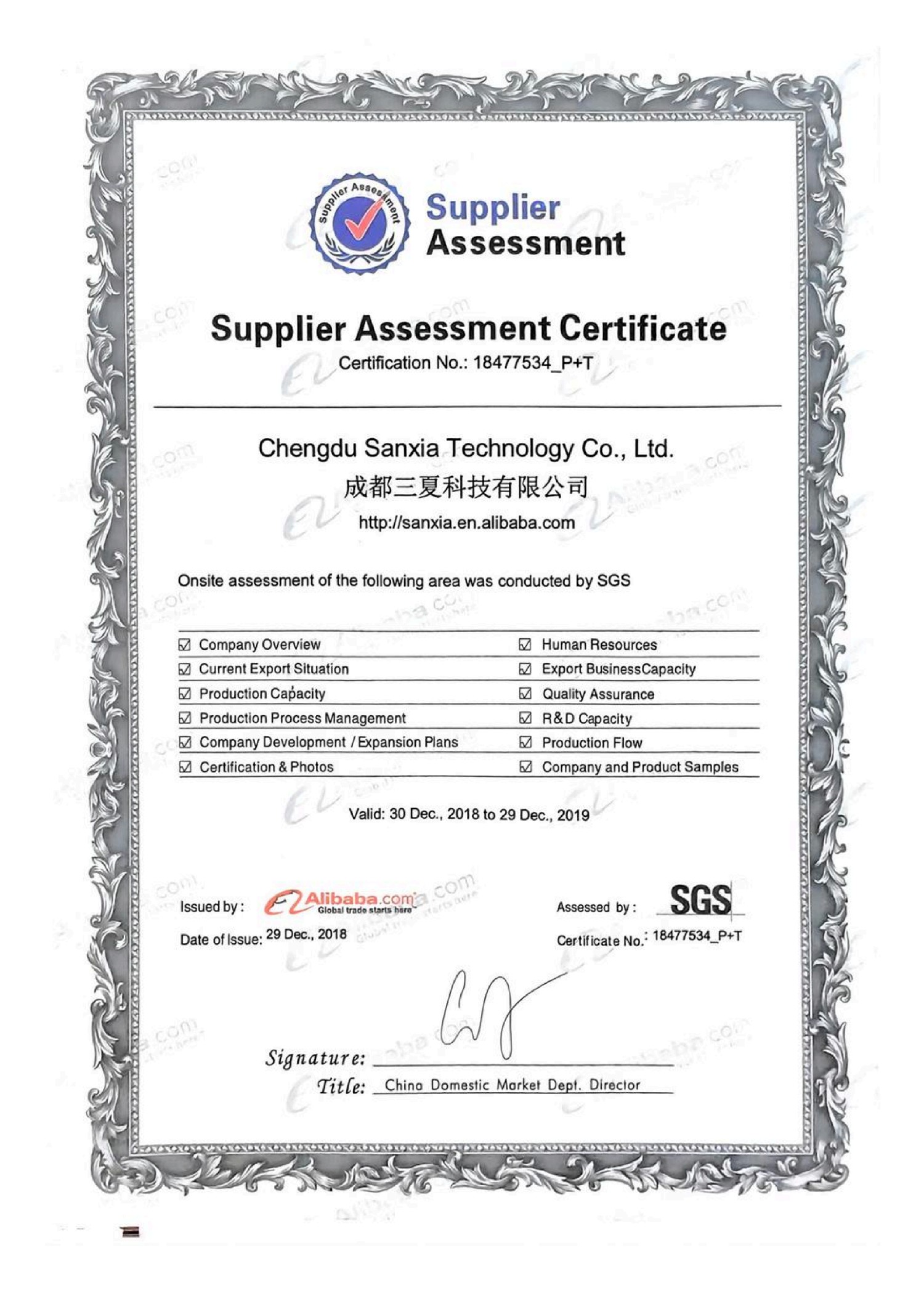
Alibaba SGS Certification
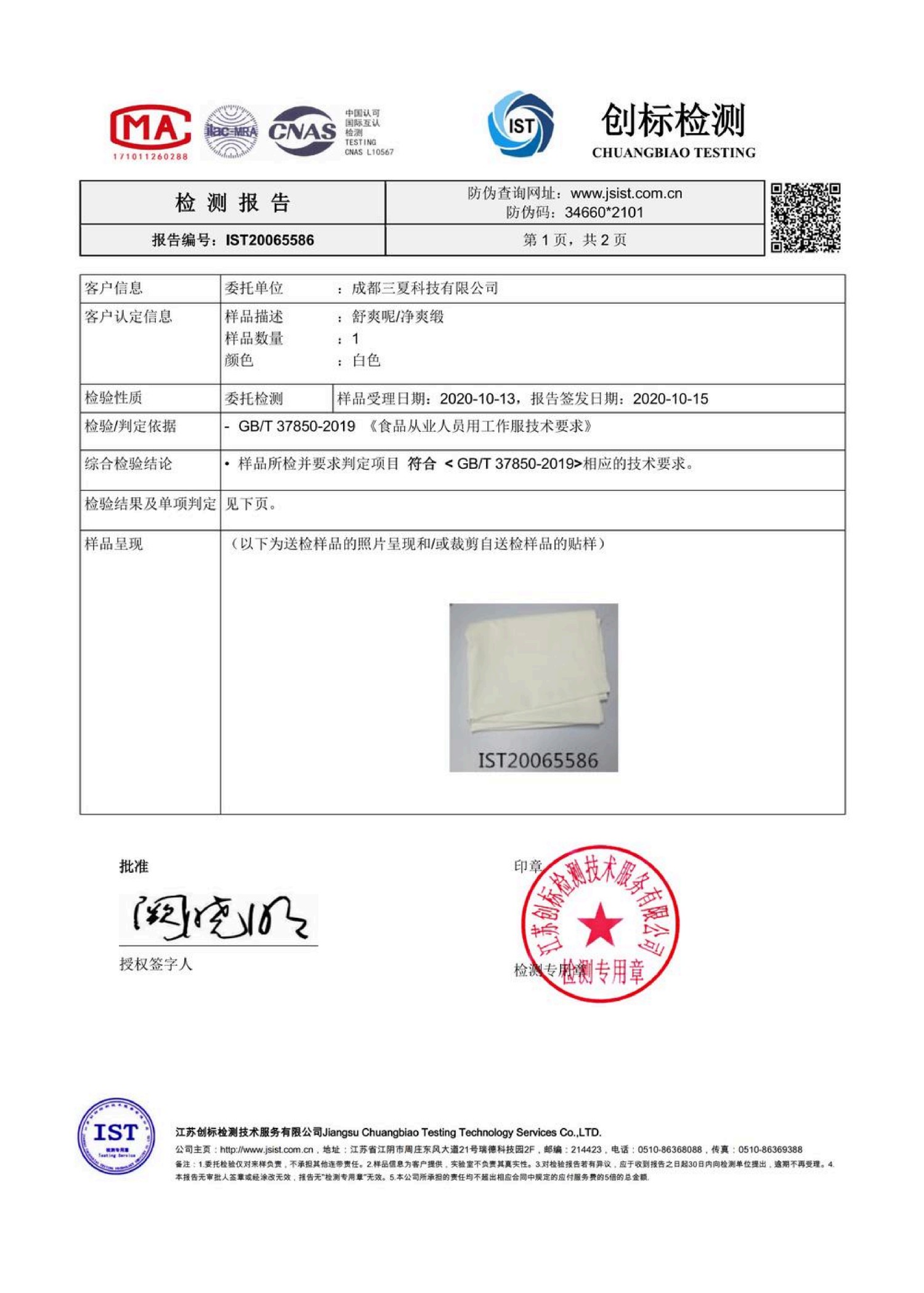
Anti-Static Performance Report
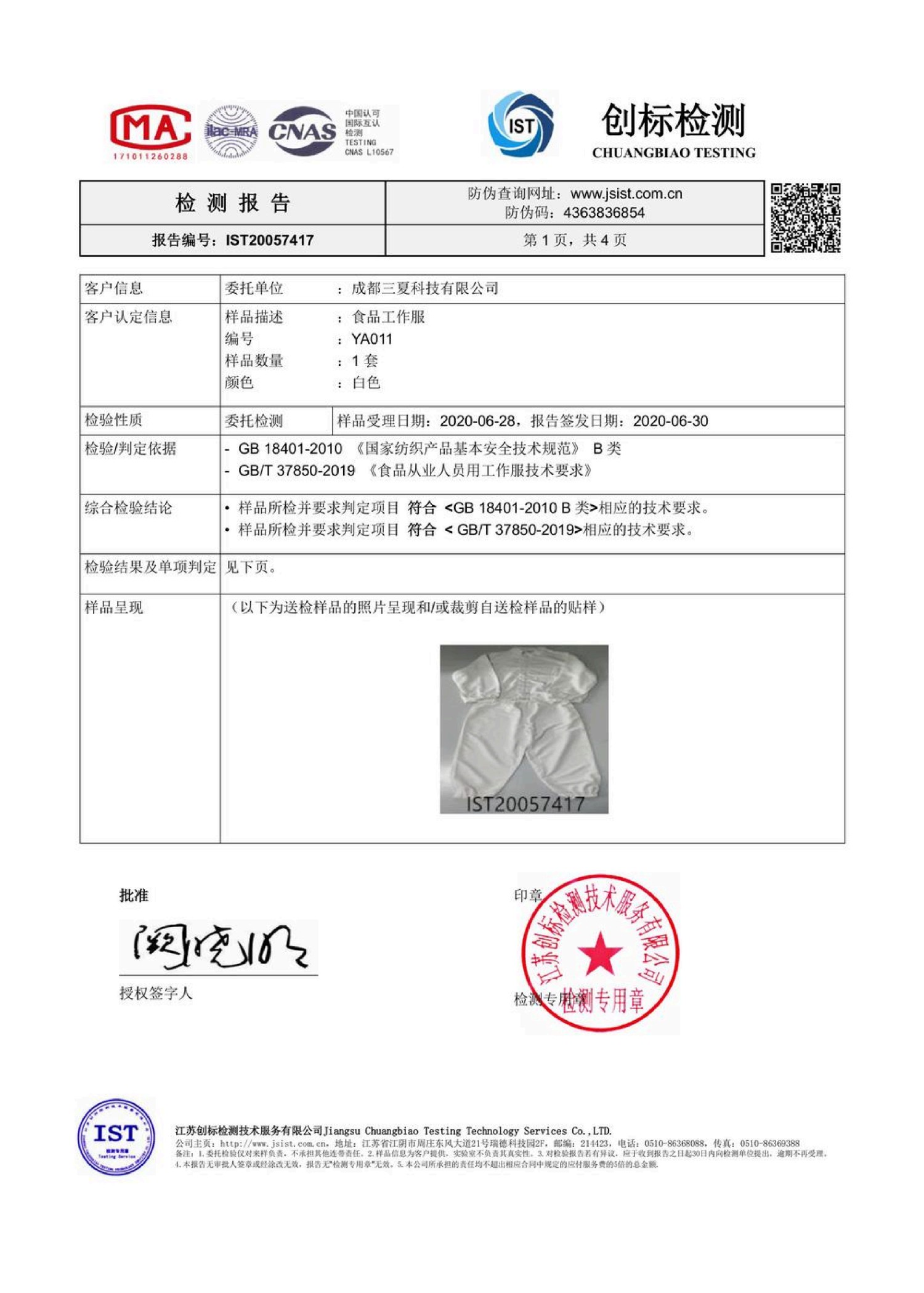
GB 18401-2010 Compliance
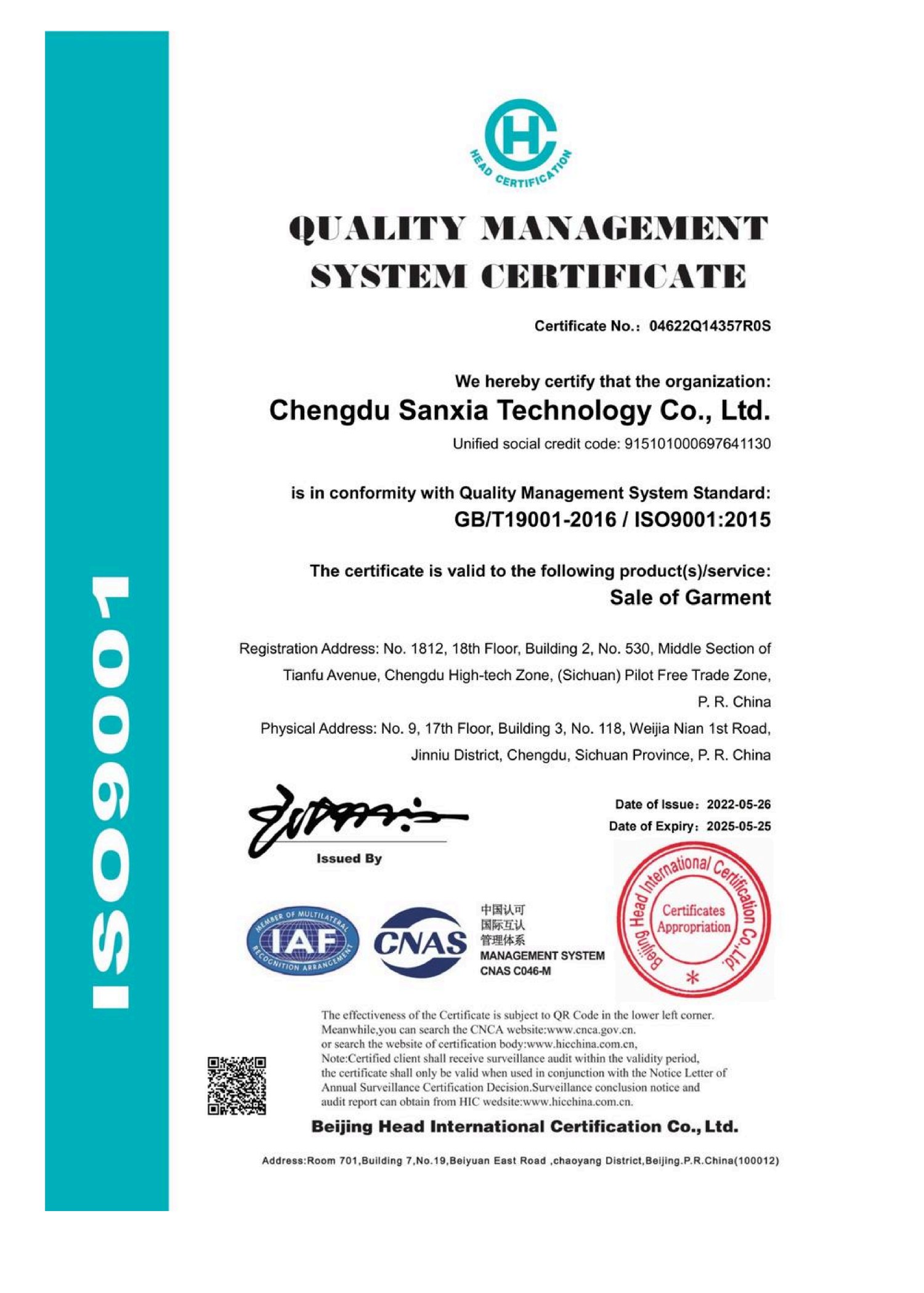
ISO Quality Management
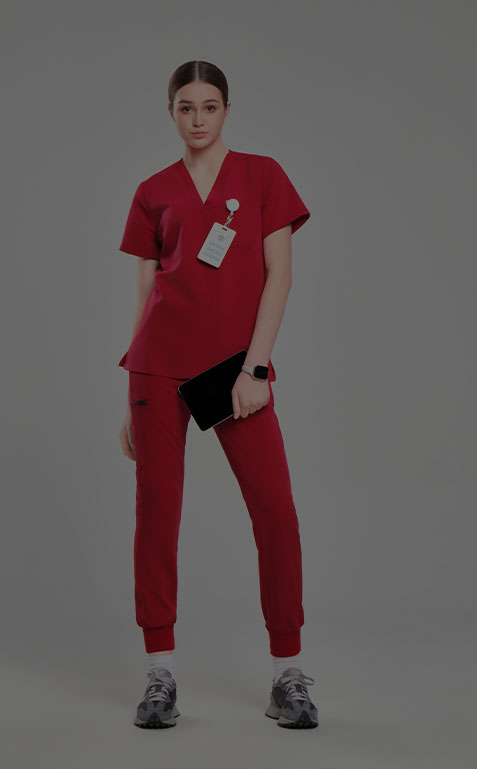
Optimizing comfort and safety in daily clinical practices for hospitals and clinics.
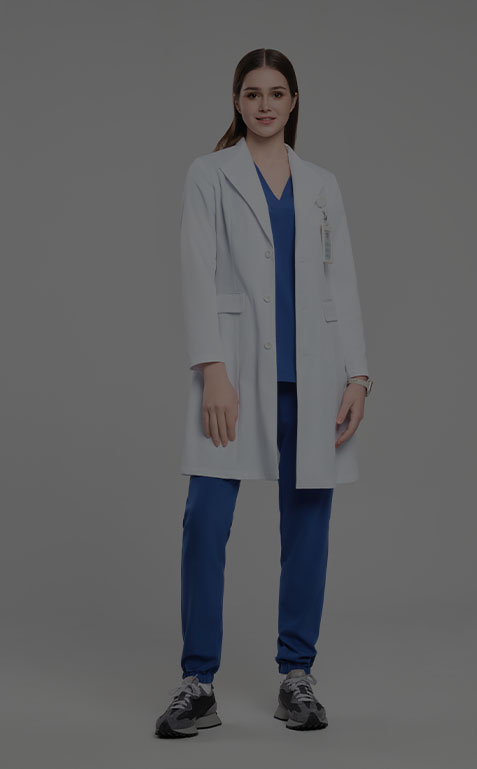
Enhancing researcher safety during sensitive laboratory and research operations.
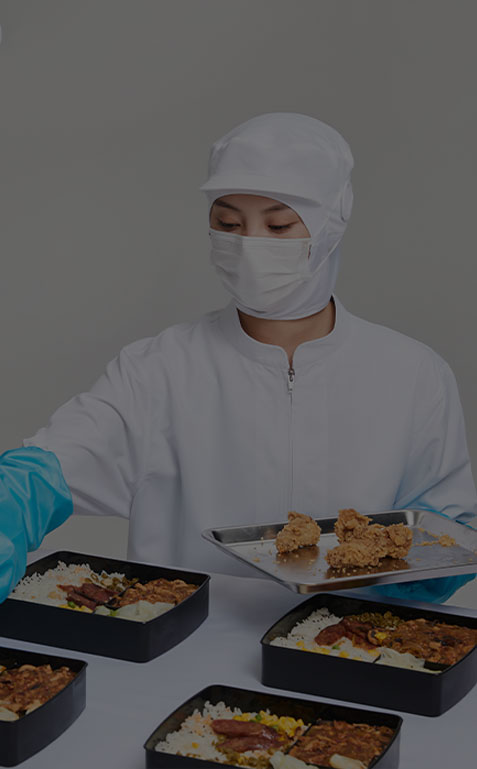
Advanced protection against foreign contaminants in food production lines.
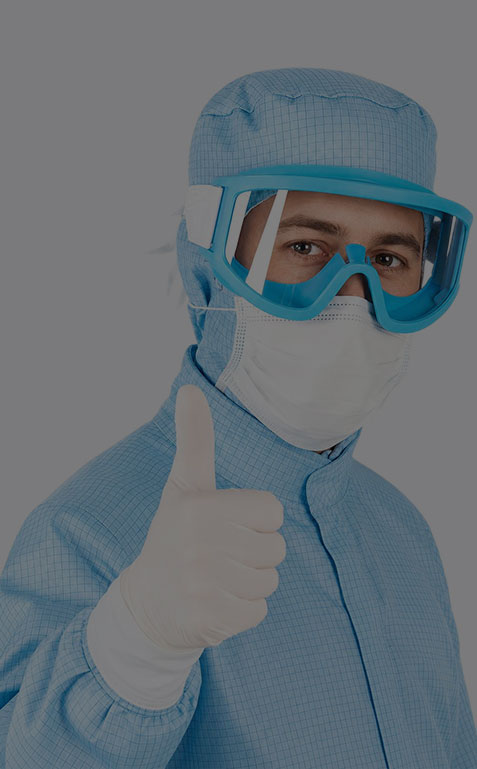
Precision protection for electronics and biopharmaceutical production environments.
To ensure maximum safety in pharmaceutical and biopharmaceutical facilities, workwear must adhere to rigorous technical benchmarks. These include:
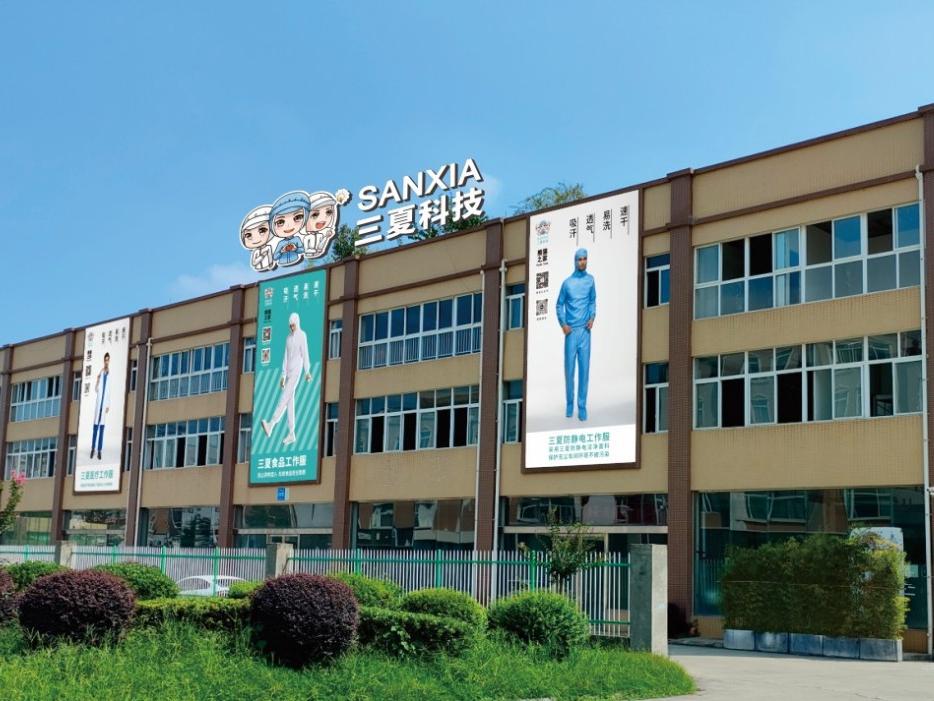
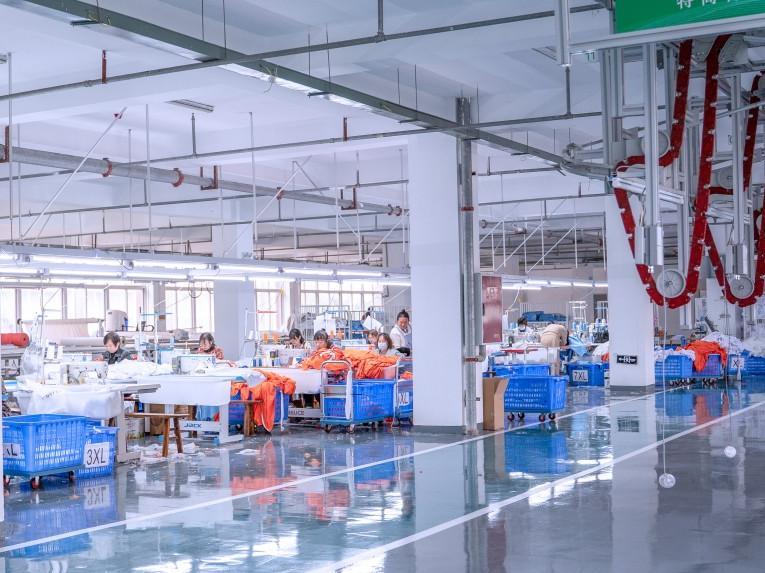
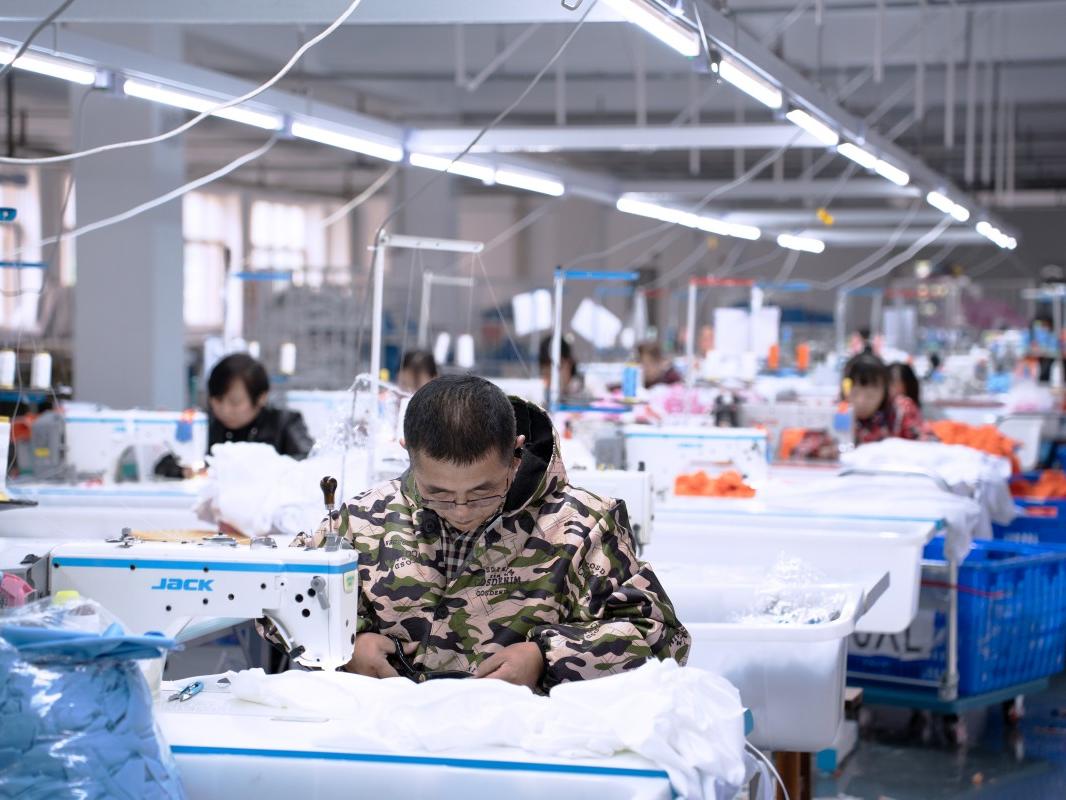
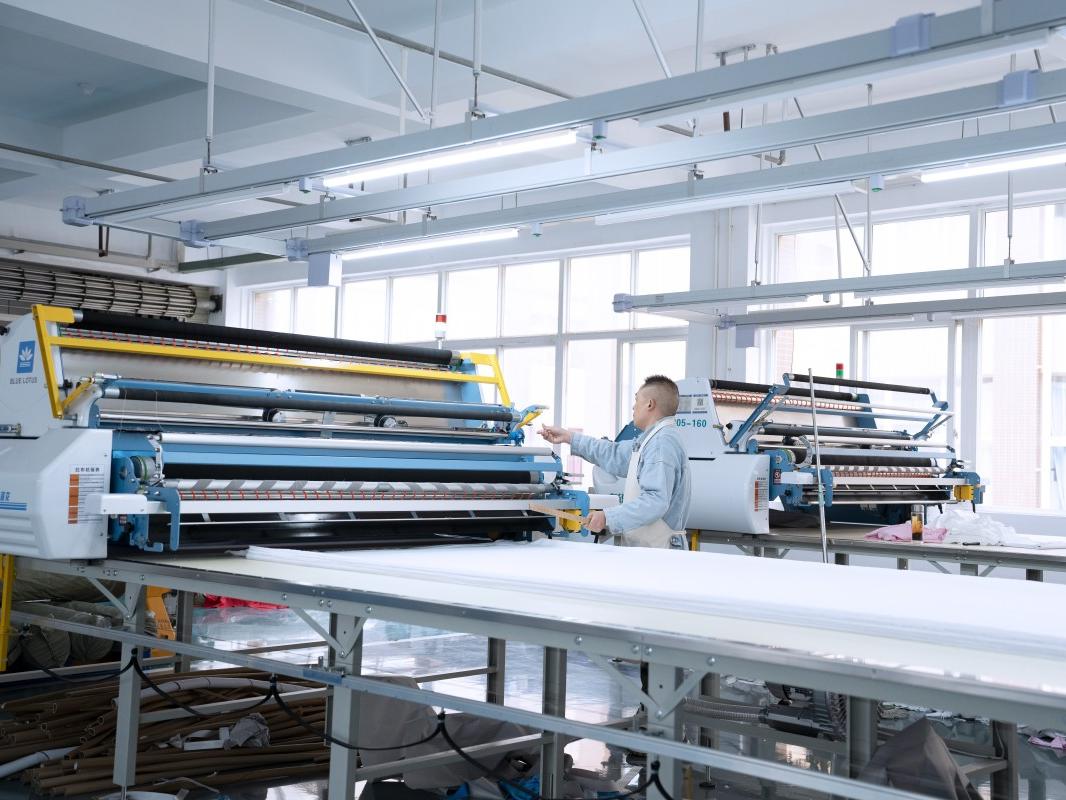
At Sanxia, we utilize advanced polyester filaments with 5mm grid or stripe carbon fibers to achieve the perfect balance of filtration and conductivity. Our production process follows the strict ISO 9001:2015 quality management system, ensuring that every garment leaving our 4,000sqm facility is ready for the most demanding pharmaceutical applications.
Whether you are operating a high-volume vaccine manufacturing site or a specialized cell therapy lab, our team of 200+ professionals is dedicated to providing workwear that protects your science, your staff, and your patients.
© 2013-2024 Sanxia Uniform. All Rights Reserved. Specialized in Cleanroom Workwear for Global Life Science Facilities.