- Home
- Products
- OEM Service
- Industry Solutions
- Case Studies
- About Us
- Resources
- Contact
inquiry now
Leave Your Message
Engineered for high-performance contamination control in advanced microelectronics assembly and precision device packaging.


Designed with high-density conductive grid filaments to prevent sudden static discharge during fragile wafer handling and component micro-soldering.


Engineered for research laboratories and prototyping hubs. Offers outstanding particulate containment and chemical splash resistance.


Tailored for optical lens fabrication and flat panel display lines. Prevents linting and airborne fiber shedding down to sub-micron levels.


Our flagship full-body coverall solution, offering complete isolation of human-borne contaminants and robust surface-to-ground conductivity paths.
In the rapidly advancing realms of semiconductor fabrication, microelectronics packaging, and precision optics manufacturing, the margin for error is virtually non-existent. As integrated circuit nodes shrink below 5 nanometers, a single microscopic dust particle or a minuscule electrostatic discharge (ESD) event can ruin entire production batches, resulting in millions of dollars in losses. Cleanroom workwear is not merely protective clothing; it is a critical piece of engineering hardware designed to control contamination and manage static electricity.
Blocks 99.9% of human-emitted particles, protecting sensitive silicon wafers from micro-contamination.
Integrated carbon-conductive grids neutralize static charges safely before they damage sensitive circuitry.
Fully compliant with strict ISO 14644 cleanroom standards from Class 1 down to Class 9 facilities.
The global demand for high-performance cleanroom workwear is experiencing unprecedented growth. Driven by the expansion of global semiconductor fabrication facilities (fabs), the roll-out of advanced telecommunications infrastructure, and the continuous miniaturization of medical electronics, manufacturers are prioritizing contamination control strategies. In this highly competitive market, the focus has shifted from basic protective apparel to custom-engineered, multi-functional garments that offer durability, comfort, and compliance with strict international testing standards.
Static electricity is the silent enemy of electronic components. Modern cleanroom garments utilize advanced fabrics woven with continuous filament polyester and conductive carbon-suffused yarns. These conductive fibers are typically arranged in a 5mm x 5mm or 2.5mm x 2.5mm grid pattern, creating a Faraday cage effect that shields the sensitive electronic environment from the static charges naturally generated by human movement. Furthermore, the selection of materials must ensure that the garment does not shed fibers (non-linting) while remaining breathable enough to keep operators comfortable during long shifts.


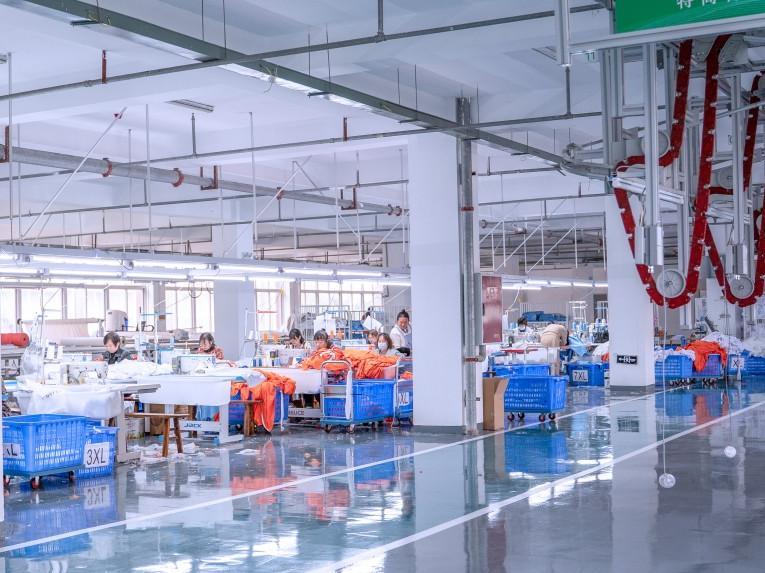
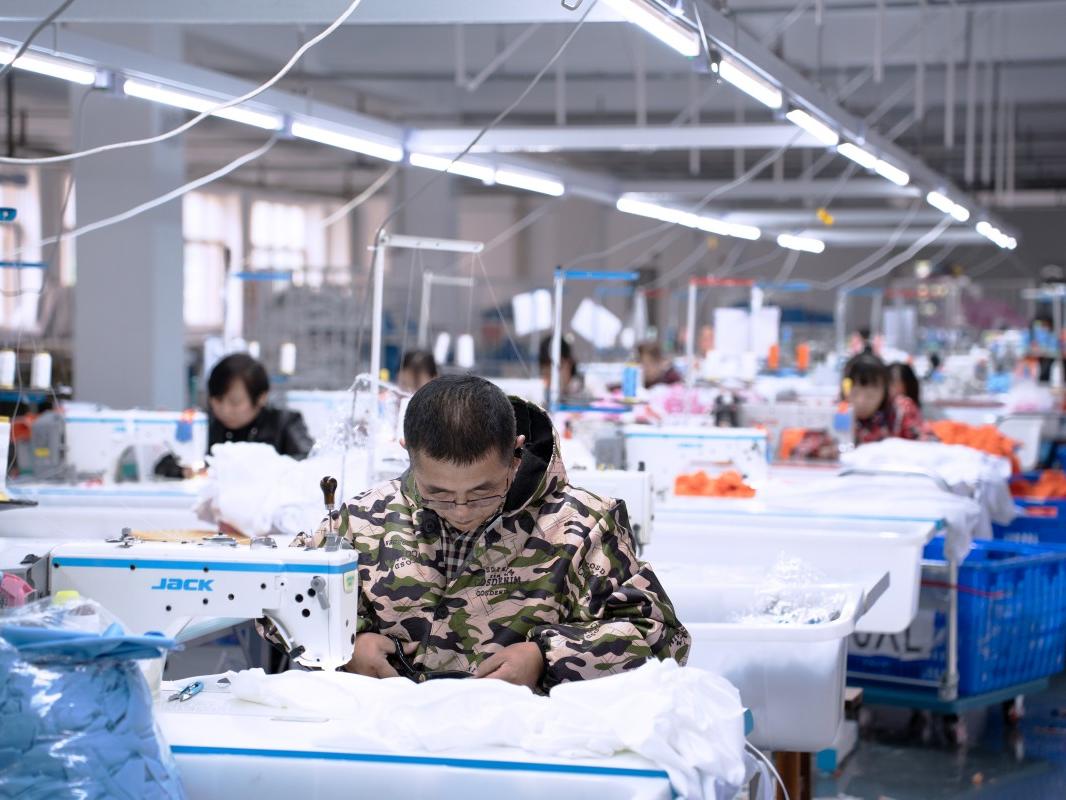
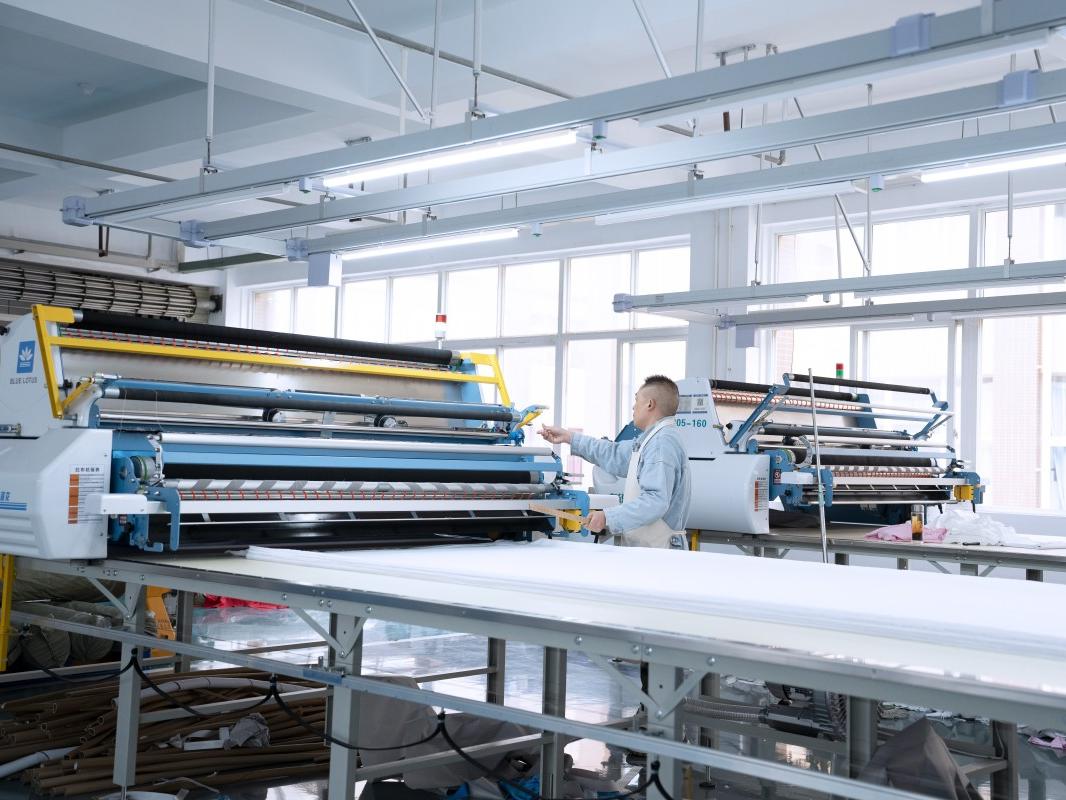
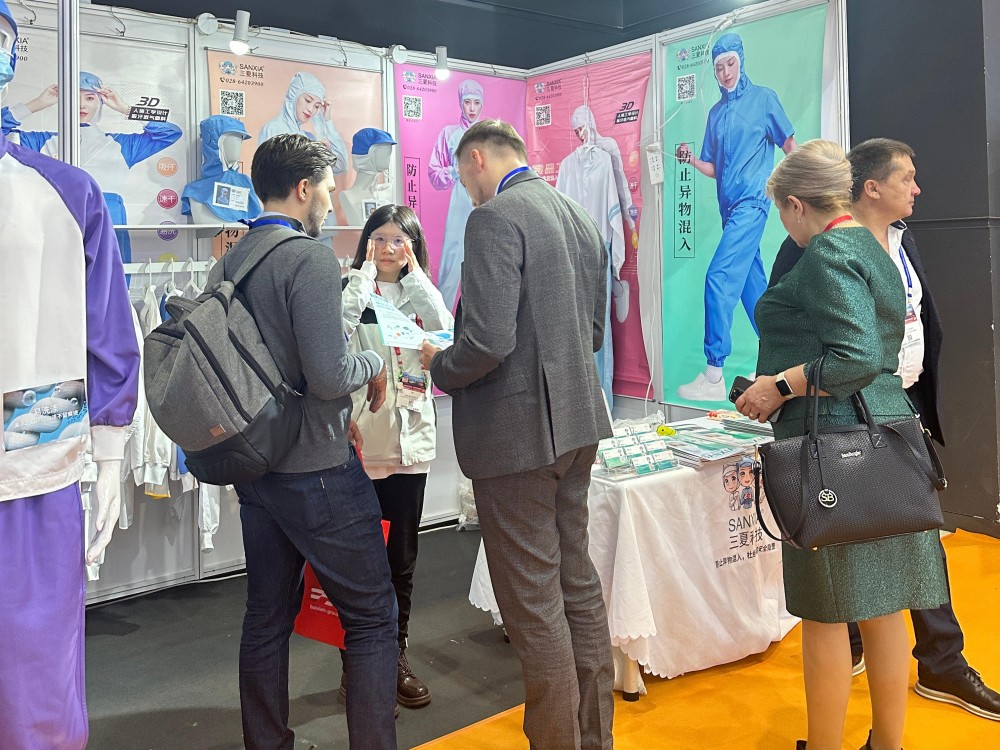
Founded in 2013, our company has over 13 years of experience in the manufacturing of workwear, work shoes, and work caps. As a leading custom workwear provider integrating innovation, design, production, and sales, we are committed to product quality and functionality. Our modern production facility covers 4,000 square meters and is supported by a professional team of experienced designers and sample makers. We maintain long-term collaborations with numerous well-known domestic and international brands, as well as e-commerce platforms. In 2015, we expanded into the global market and established a specialized design and sales team to serve international clients. With advanced production techniques and cutting-edge apparel design, we have earned high recognition from customers worldwide. Our factory employs over 200 staff, with a daily output exceeding 3,000 sets.
Explore MoreContamination control requirements vary significantly depending on the specific manufacturing process. Cleanroom workwear must be selected and configured to meet the exact environmental demands of each production zone:
The next generation of cleanroom workwear is incorporating smart technologies. RFID chips are increasingly embedded into garments to track wash cycles, sterilization history, and ESD performance degradation over time. Additionally, with global corporate sustainability initiatives, there is a strong push toward using recycled polyester fibers that maintain the strict non-linting properties required for cleanroom environments, reducing the environmental footprint of high-tech manufacturing.
To ensure reliability in critical environments, cleanroom garments undergo rigorous testing protocols. These include the Helmke Drum Test (IEST-RP-CC003.4) to measure particle shedding, static decay time tests to verify how quickly a charge is dissipated to the ground, and surface resistivity measurements. By adhering to these global standards, electronics manufacturers can ensure their cleanroom apparel consistently protects their yields and maintains operational integrity.
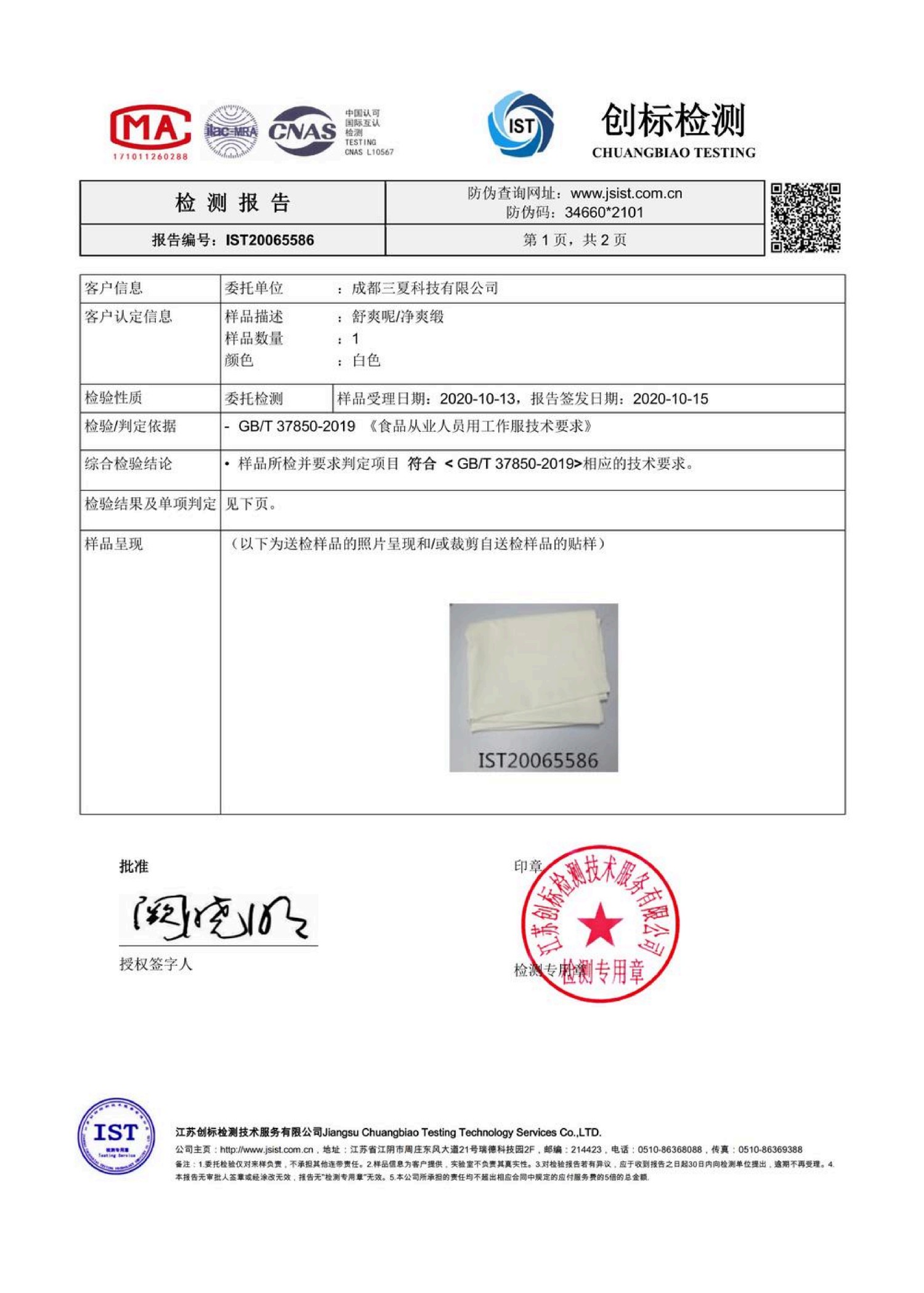
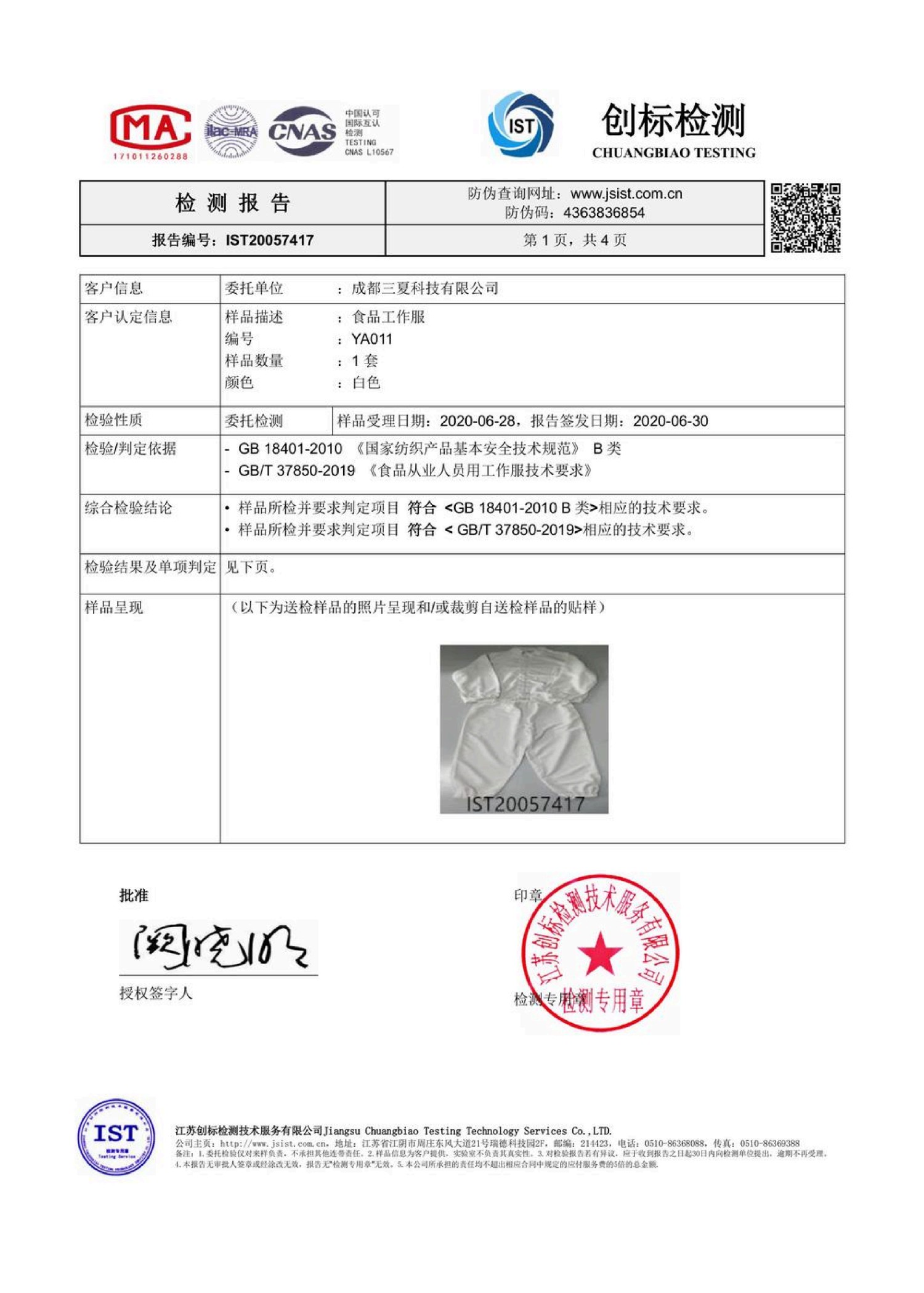
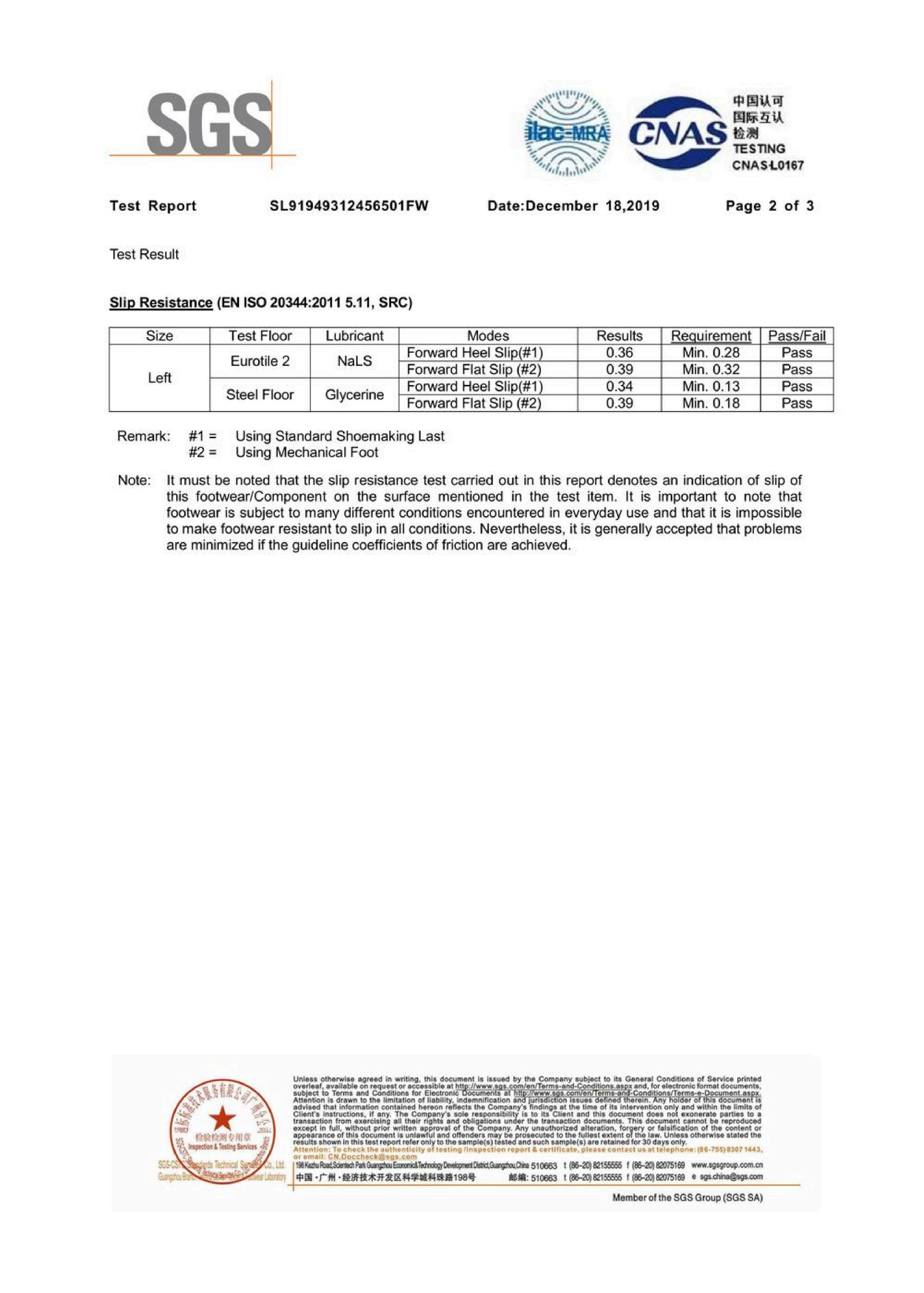
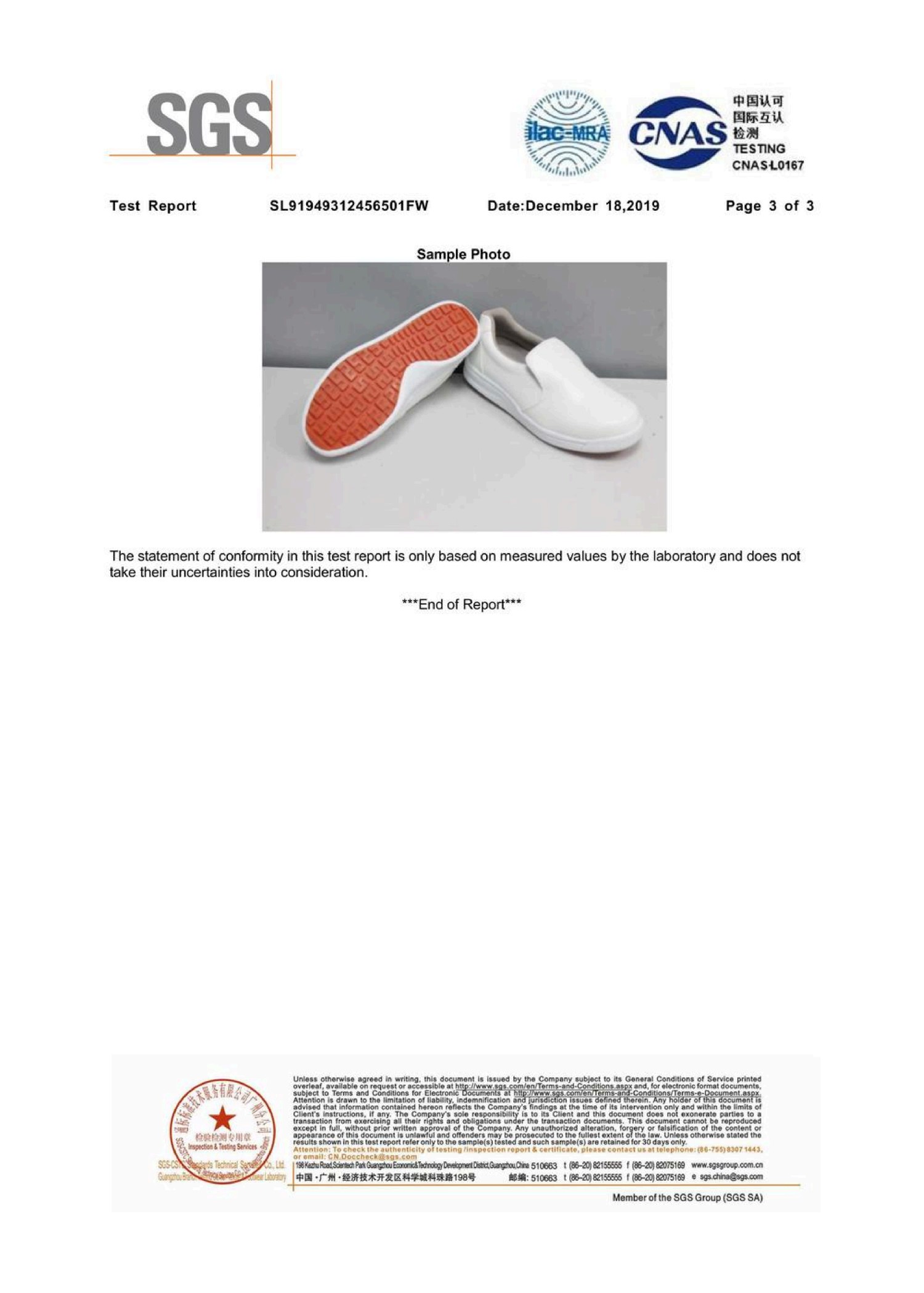
Our cleanroom workwear and protective equipment are verified by leading international testing bodies to guarantee consistent safety and performance.