
- Home
- Products
- OEM Service
- Industry Solutions
- Case Studies
- About Us
- Resources
- Contact
inquiry now
Leave Your Message
High-performance protective apparel engineered specifically for the stringent hygiene demands of modern bakeries, commercial central kitchens, and food processing plants.
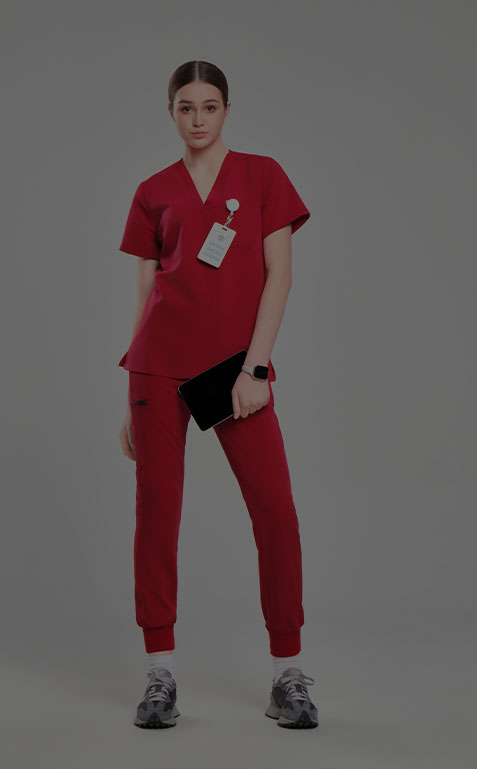

Designed for high-care bakery zones. Our cleanroom scrubs maximize biological protection while offering lightweight, breathable comfort for long shifts near heat sources.


Essential for central kitchen quality control labs and testing environments. Engineered to protect technicians from chemical splashes while preventing particulate emission.
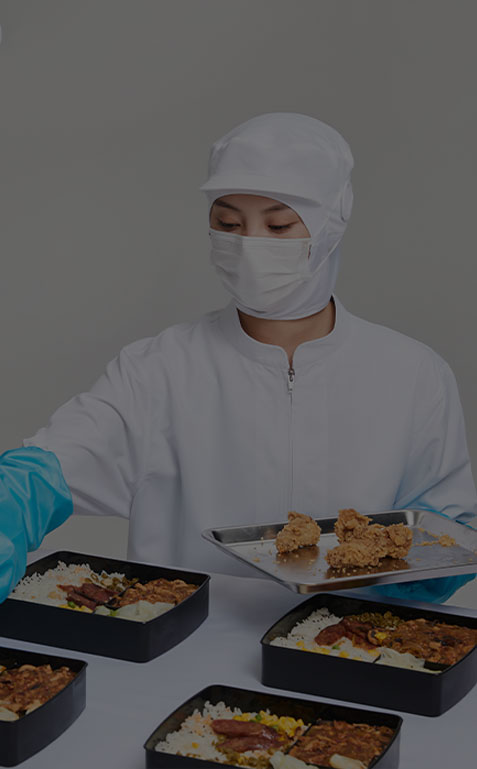

Engineered for large-scale food processing facilities. Prevents foreign contaminant transfer, featuring pocketless designs above the waist and durable, non-shedding fabric.


Crucial for flour-rich environments. Features built-in conductive fibers to eliminate electrostatic discharge, mitigating the risk of combustible flour dust ignition.
In the global food processing sector, the line between pharmaceutical cleanrooms and food production facilities has blurred. As consumer demand for preservative-free, ready-to-eat (RTE) foods rises, commercial bakeries and central kitchens are adopting rigorous contamination control strategies. At the heart of these strategies is the implementation of specialized cleanroom workwear. The human body is the primary source of particulate and microbiological contamination in any controlled environment. In facilities processing flour, yeast, dairy, and meats, the right protective garments are not just a matter of worker safety—they are a critical barrier protecting food products from biological, physical, and chemical hazards.
The global commercial bakery and central kitchen market is undergoing rapid consolidation and scaling. Central kitchens, which supply restaurant chains, convenience stores, and online delivery platforms, operate under intense regulatory scrutiny. Organizations must comply with Hazard Analysis Critical Control Point (HACCP) systems, the Food Safety Modernization Act (FSMA), and Global Food Safety Initiative (GFSI) benchmarks. A single product recall due to Listeria, Salmonella, or foreign physical contamination (such as hair or thread fibers) can cost a food manufacturer millions of dollars and permanently damage brand reputation. Consequently, industrial food companies are shifting from basic aprons and hairnets to comprehensive, engineered cleanroom uniforms that isolate the worker from the food stream.
According to food safety audits, over 40% of physical contaminants found in commercial food production originate from employee apparel, including loose fibers, buttons, and pockets holding personal items. Cleanroom workwear eliminates these vulnerabilities by design.
Large-scale commercial bakeries process hundreds of tons of flour daily. When dispersed in the air, fine flour dust creates a highly combustible atmosphere. A simple electrostatic spark from a worker's synthetic clothing can trigger a devastating dust explosion. This is where ESD (Electrostatic Discharge) cleanroom workwear becomes a vital safety asset. By weaving continuous carbon-infused conductive threads into the high-density polyester fabric, these garments continuously dissipate static charges safely into the ground. Furthermore, the tight weave of cleanroom fabric prevents flour dust from penetrating the garment and settling on the worker’s skin, reducing occupational dermatitis and respiratory irritation.
Central kitchens feature diverse microclimates. In hot zones where steaming, boiling, and baking occur, workers face extreme humidity and heat. Standard plastic or non-breathable protective gear leads to heat stress, excessive sweating, and frequent adjustments, which increases contamination risks as workers touch their faces or hair. Advanced cleanroom workwear for food production utilizes breathable, moisture-wicking synthetic fabrics that maintain a barrier against liquid splashes while allowing heat to escape. Additionally, these fabrics are treated with durable antimicrobial finishes that inhibit the growth of bacteria and odor-causing microbes on the garment itself, maintaining a hygienic environment throughout long shifts.
The ready-to-eat packaging area is the most critical zone in a central kitchen. Here, cooked foods are portioned, packaged, and sealed without further heat treatment. Any bacteria introduced at this stage goes directly to the consumer. In these high-care zones, cleanroom protocols mimic pharmaceutical standards. Workers wear full-body coveralls (bunny suits) with integrated hoods, face masks, and elasticated wrists and ankles. The garments feature front zippers with protective flaps instead of buttons, no external pockets above the waist (preventing items from falling into the food), and internal seams that contain human skin flakes and hair. This level of control is essential for extending the shelf life of fresh food products naturally.
Many central kitchens operate blast chillers and cold preparation rooms (maintained at 2°C to 4°C) for meat and dairy handling. Workers in these zones require thermal insulation. However, traditional heavy winter coats are made of fibrous materials that shed lint and harbor bacteria. Modern cleanroom solutions include insulated undergarments or cleanroom-compatible thermal jackets. These specialized garments feature a cleanroom-grade polyester outer shell that caps the insulation layers, ensuring that no fibers escape into the clean environment while keeping the worker warm, productive, and comfortable.
As automation and robotics take over repetitive food packaging tasks, human operators will transition to supervisory and maintenance roles inside the clean zones. The demand will shift toward highly durable, multi-hazard protective cleanroom suits that shield workers from machinery while keeping the environment sterile.
To ensure food safety, cleanroom garments must meet rigorous international testing standards. Fabrics must be tested for particle shed (Helmke Drum Test Class I/II) to ensure they do not introduce lint into the food. For anti-static properties, compliance with surface resistivity standards (typically 10^5 to 10^9 ohms) is checked. Furthermore, food contact compliance (such as GB 18401-2010 in China, or equivalent FDA/EU regulations) guarantees that the fabric itself does not leach harmful chemicals or dyes onto the food products. Slip-resistant footwear certified by SGS is also integrated into the uniform system to prevent workplace injuries on wet or greasy kitchen floors.
By investing in high-quality cleanroom workwear, commercial bakeries and central kitchens establish a robust line of defense against contamination. This proactive approach ensures regulatory compliance, protects consumers, protects workers, and ultimately safeguards the company's bottom line in an increasingly competitive global food market.
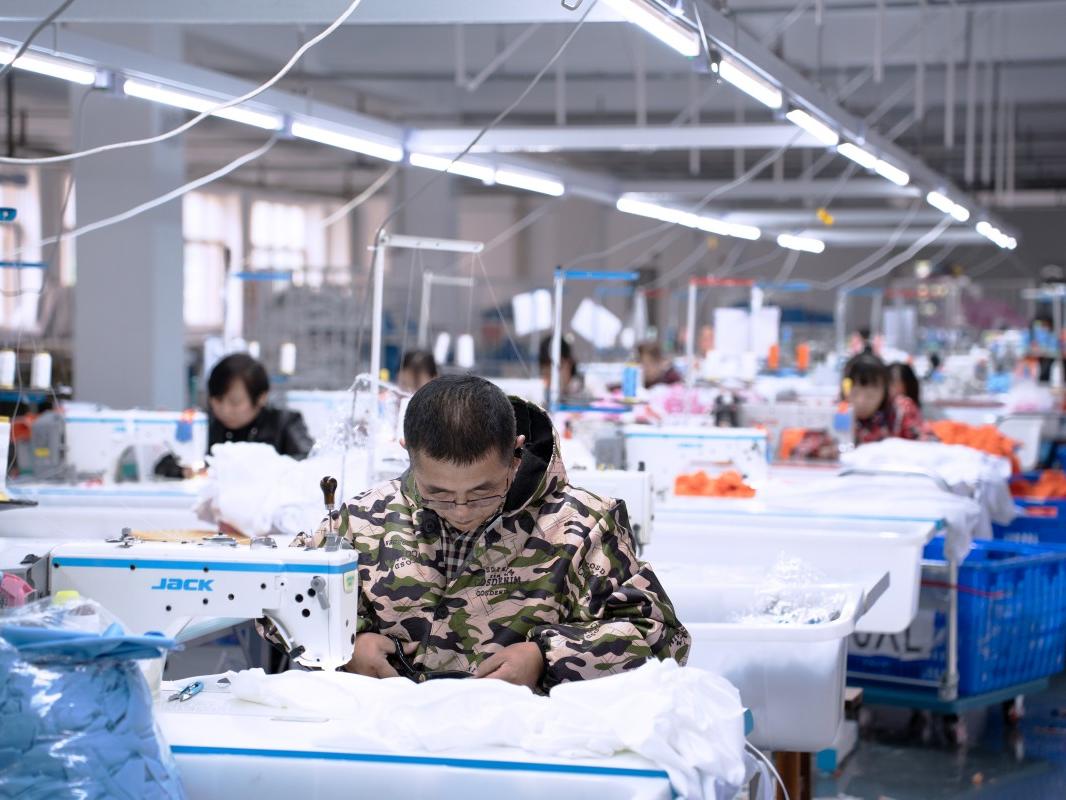
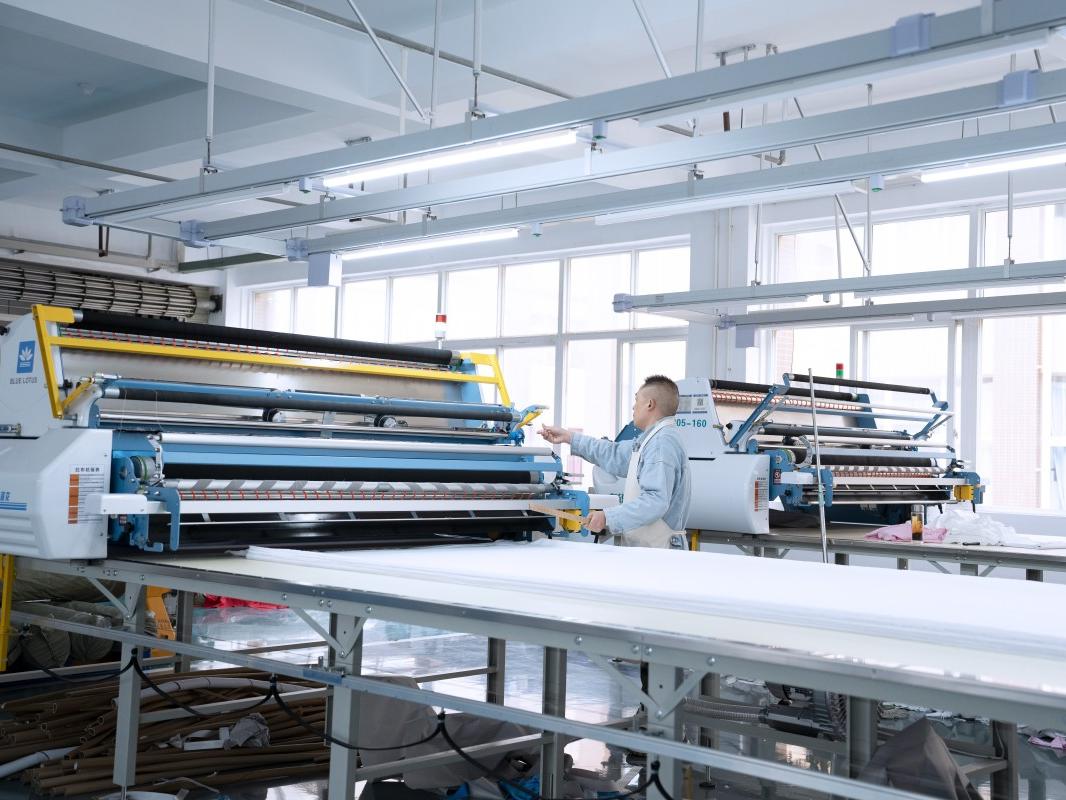
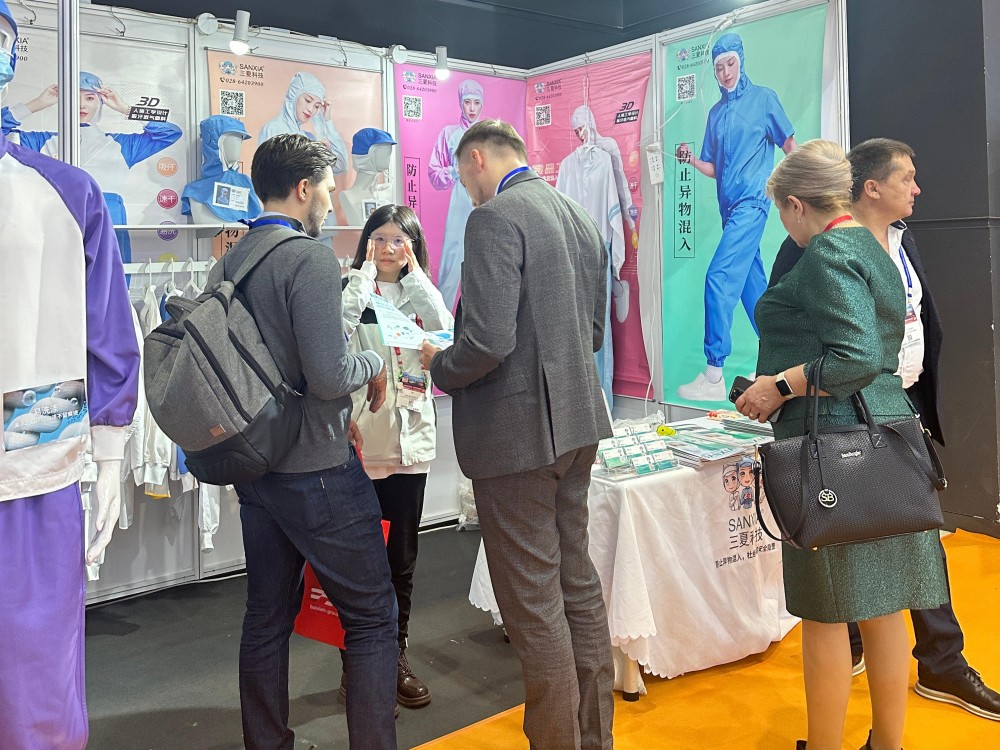
Founded in 2013, our company has over 13 years of experience in the manufacturing of workwear, work shoes, and work caps. As a leading custom workwear provider integrating innovation, design, production, and sales, we are committed to product quality and functionality. Our modern production facility covers 4,000 square meters and is supported by a professional team of experienced designers and sample makers. We maintain long-term collaborations with numerous well-known domestic and international brands, as well as e-commerce platforms. In 2015, we expanded into the global market and established a specialized design and sales team to serve international clients. With advanced production techniques and cutting-edge apparel design, we have earned high recognition from customers worldwide. Our factory employs over 200 staff, with a daily output exceeding 3,000 sets.
Explore More About Us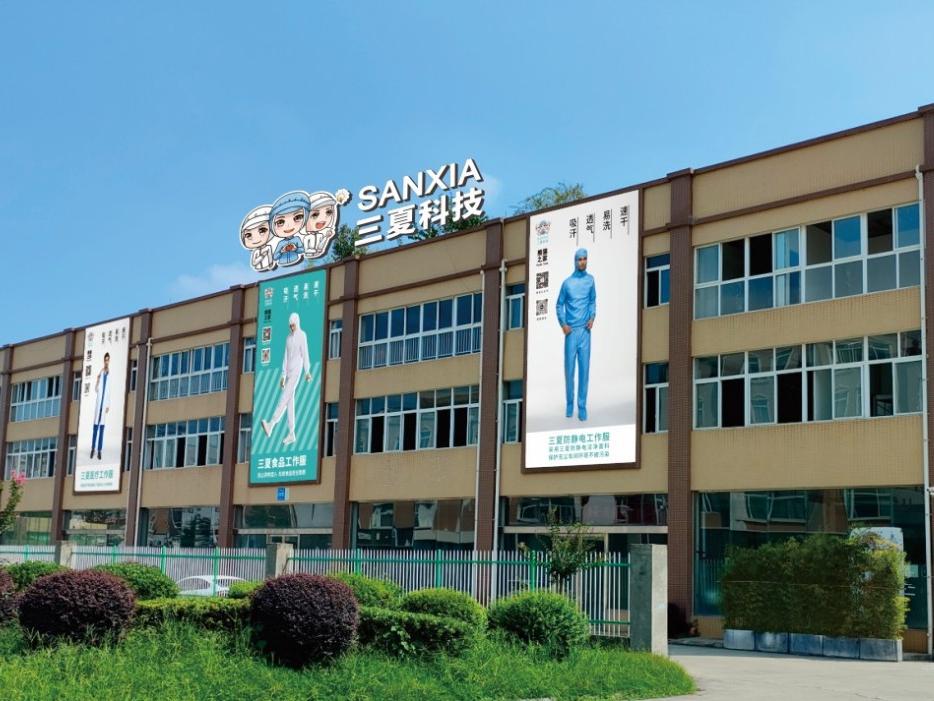

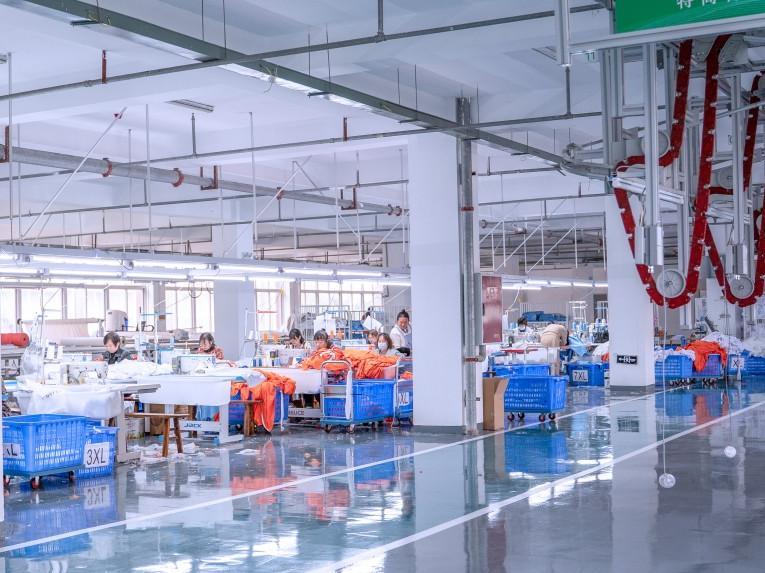
Official certifications demonstrating our professional strength, compliance with food safety regulations, and reliable cleanroom workwear quality standards.
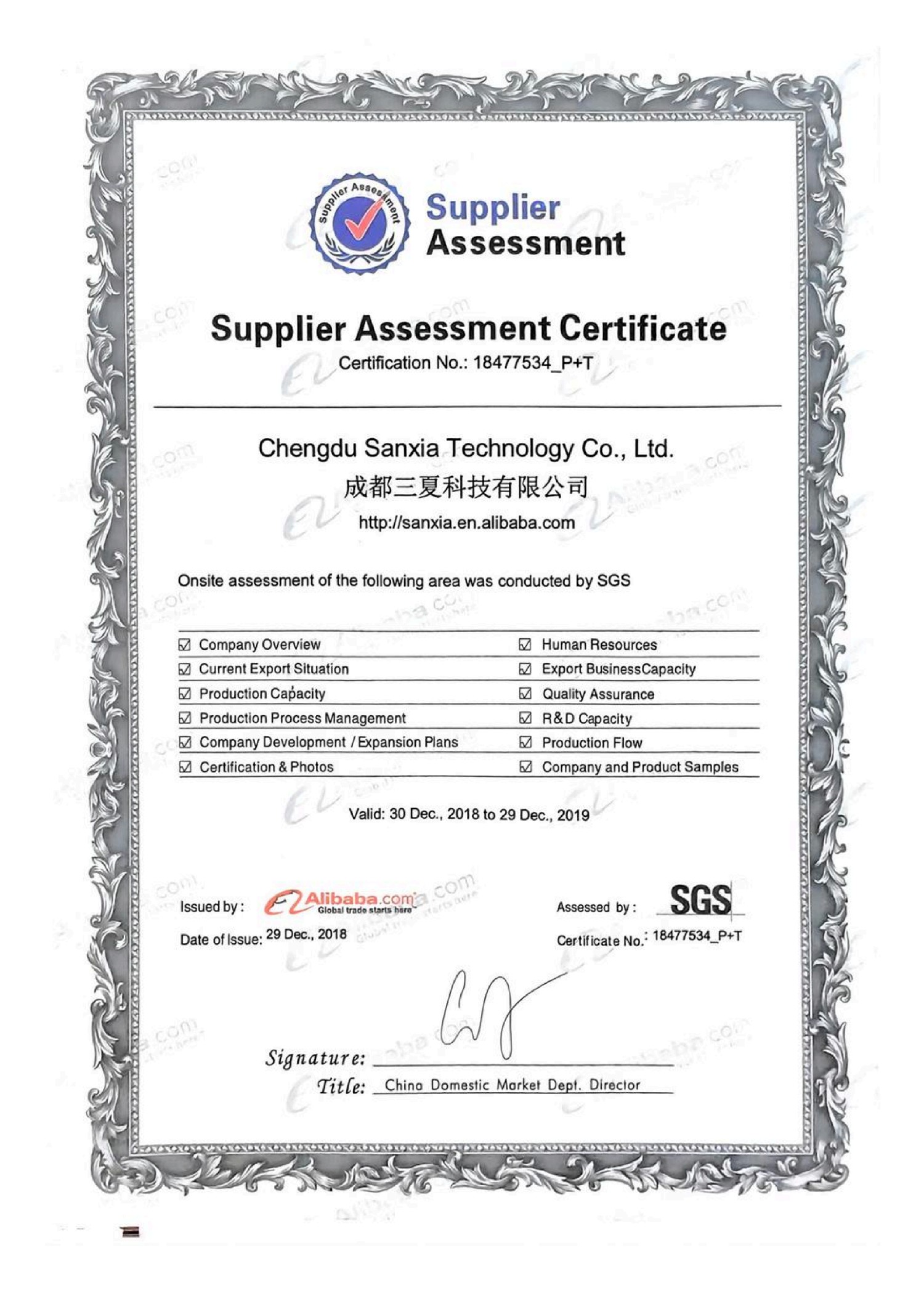
Alibaba SGS Verified Supplier
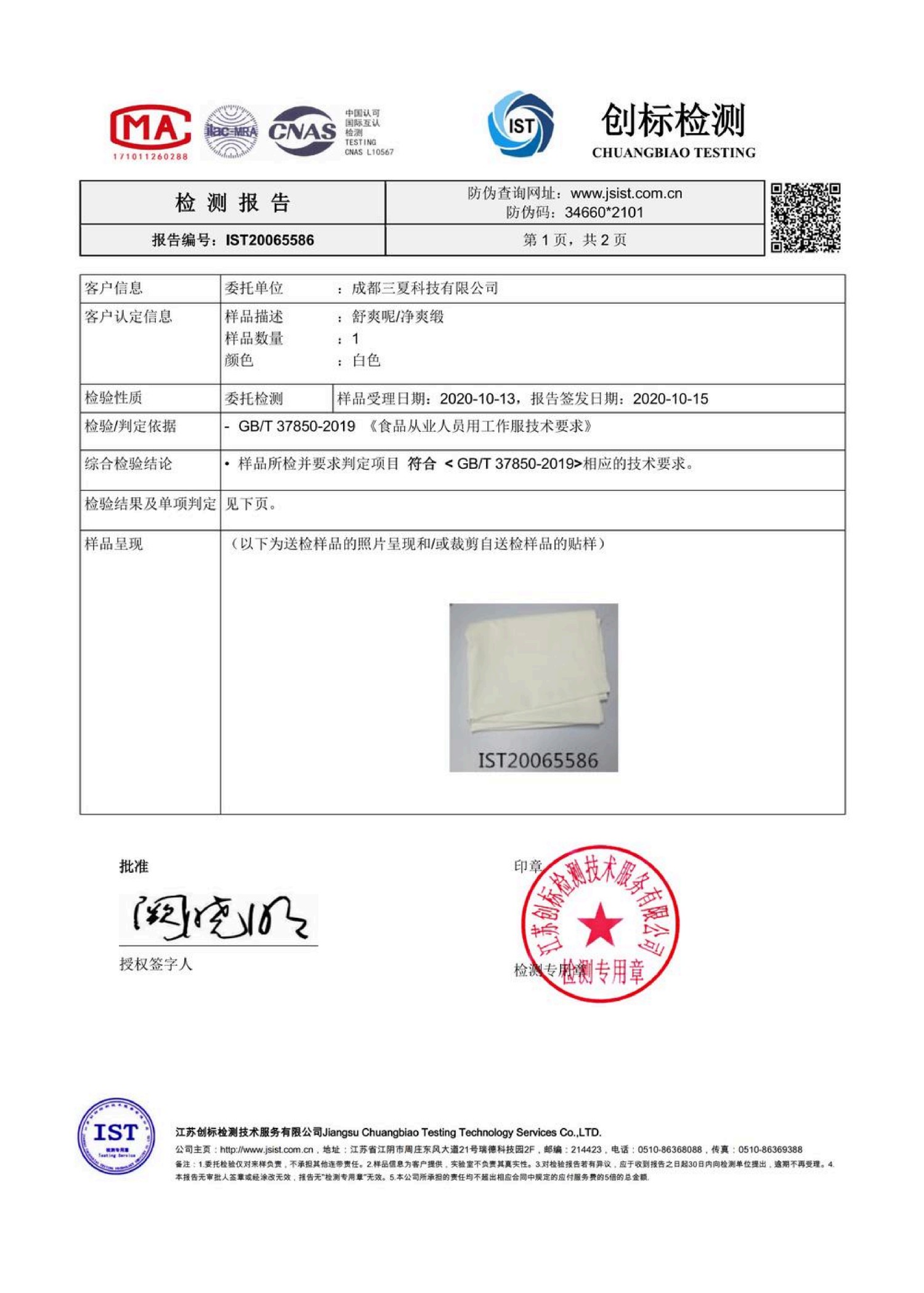
Anti-Static Fabric Test Report
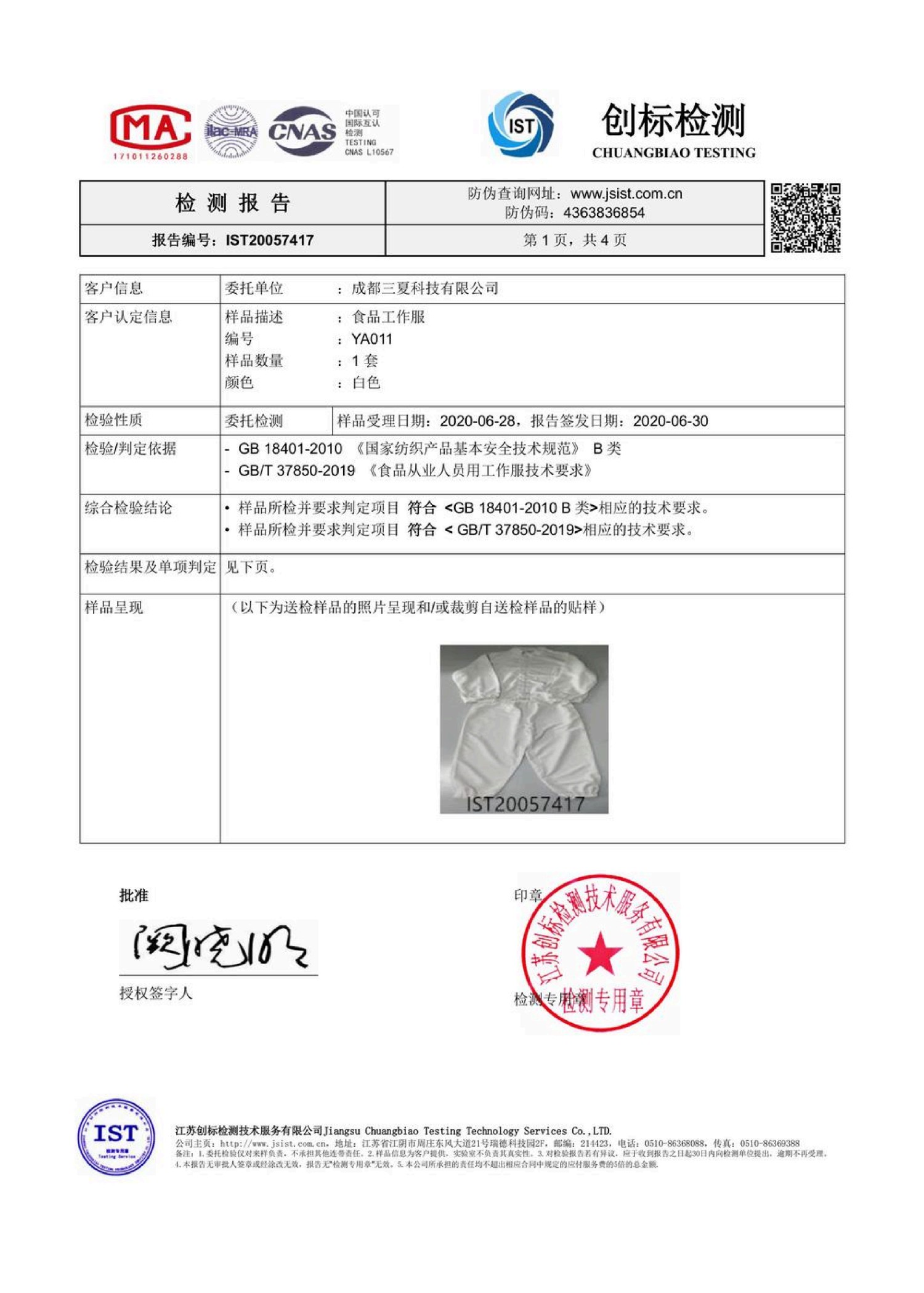
GB 18401-2010 Food Grade Report
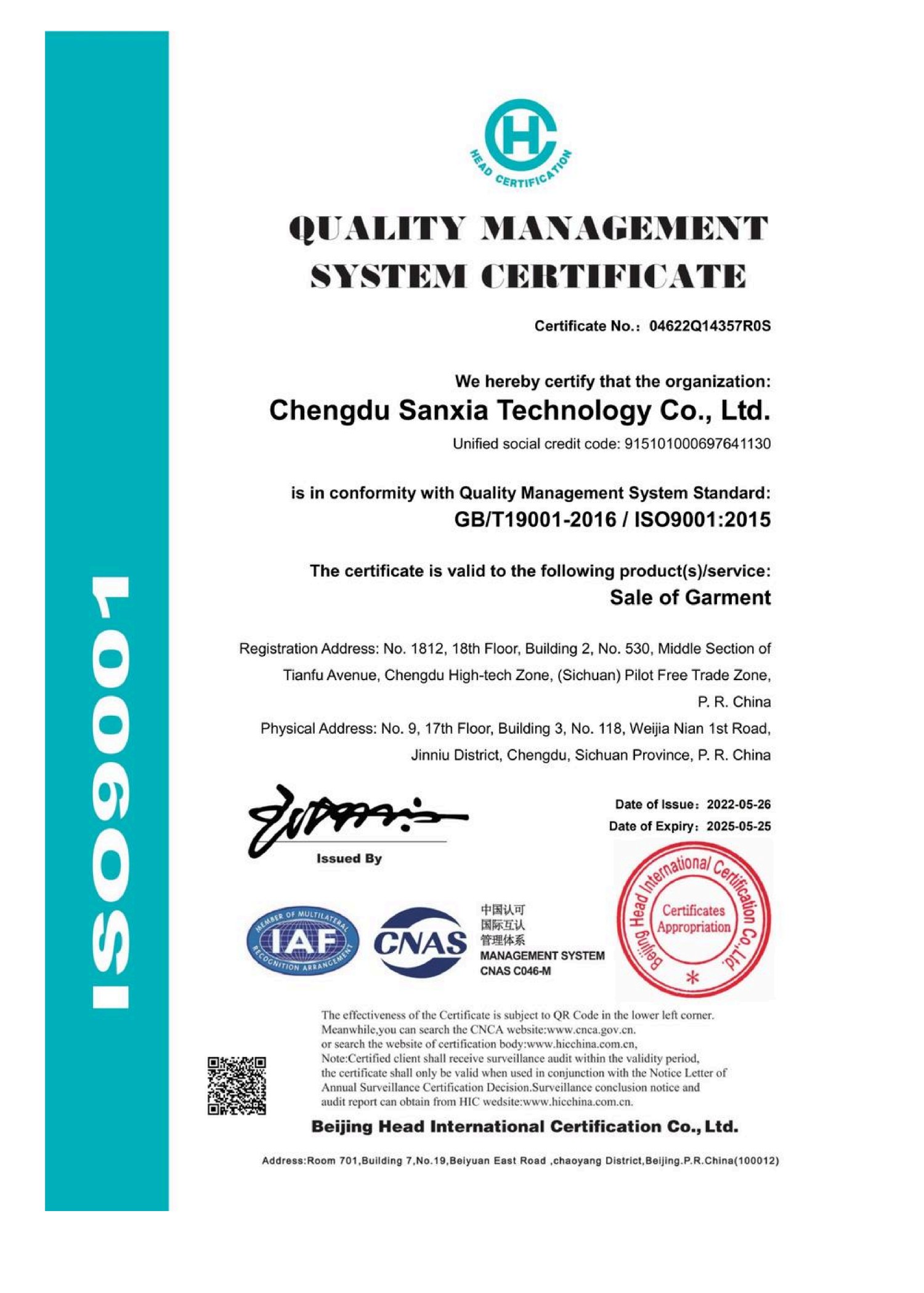
ISO 9001 Quality System Cert
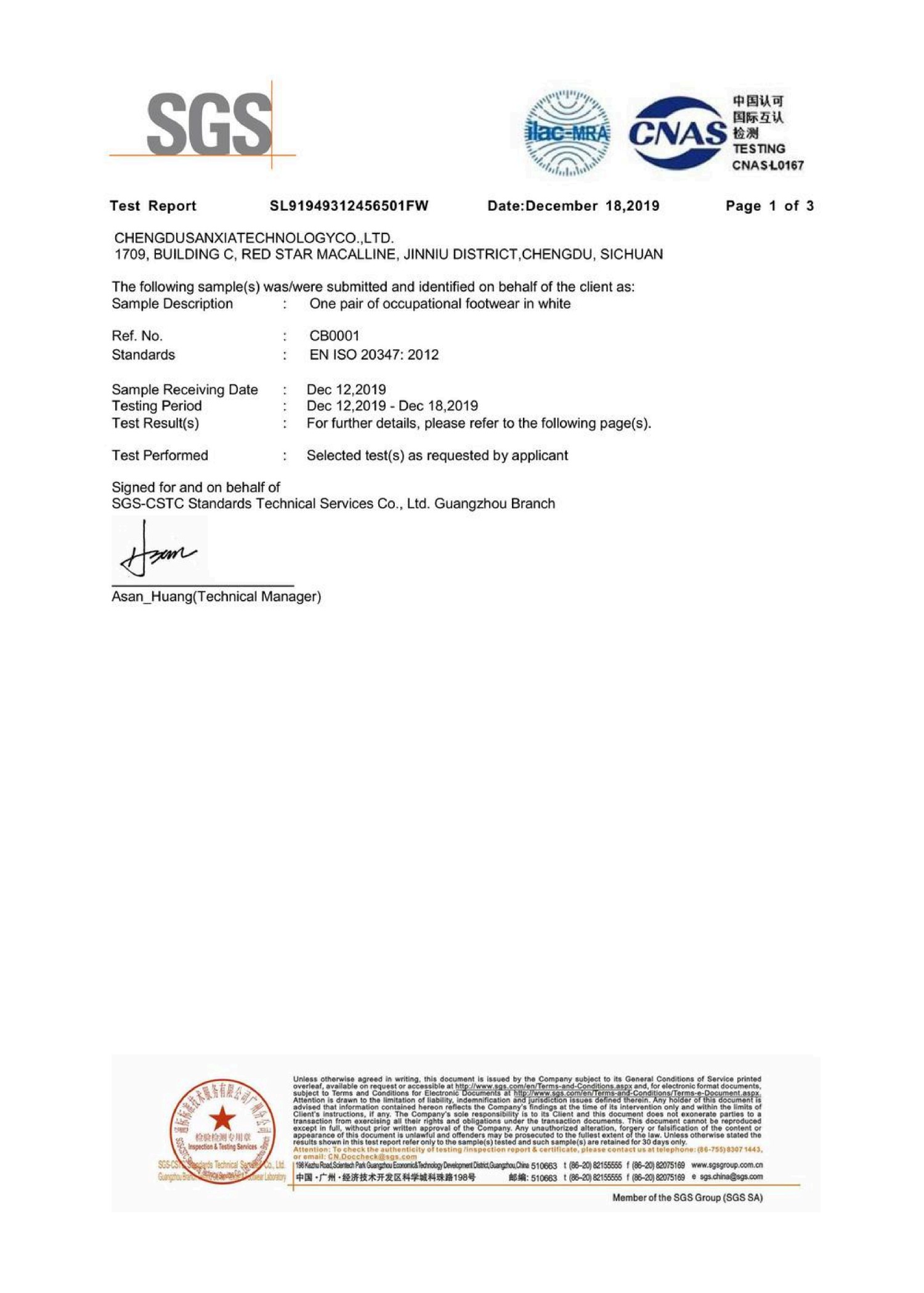
SGS Anti-Skid Shoe Report A
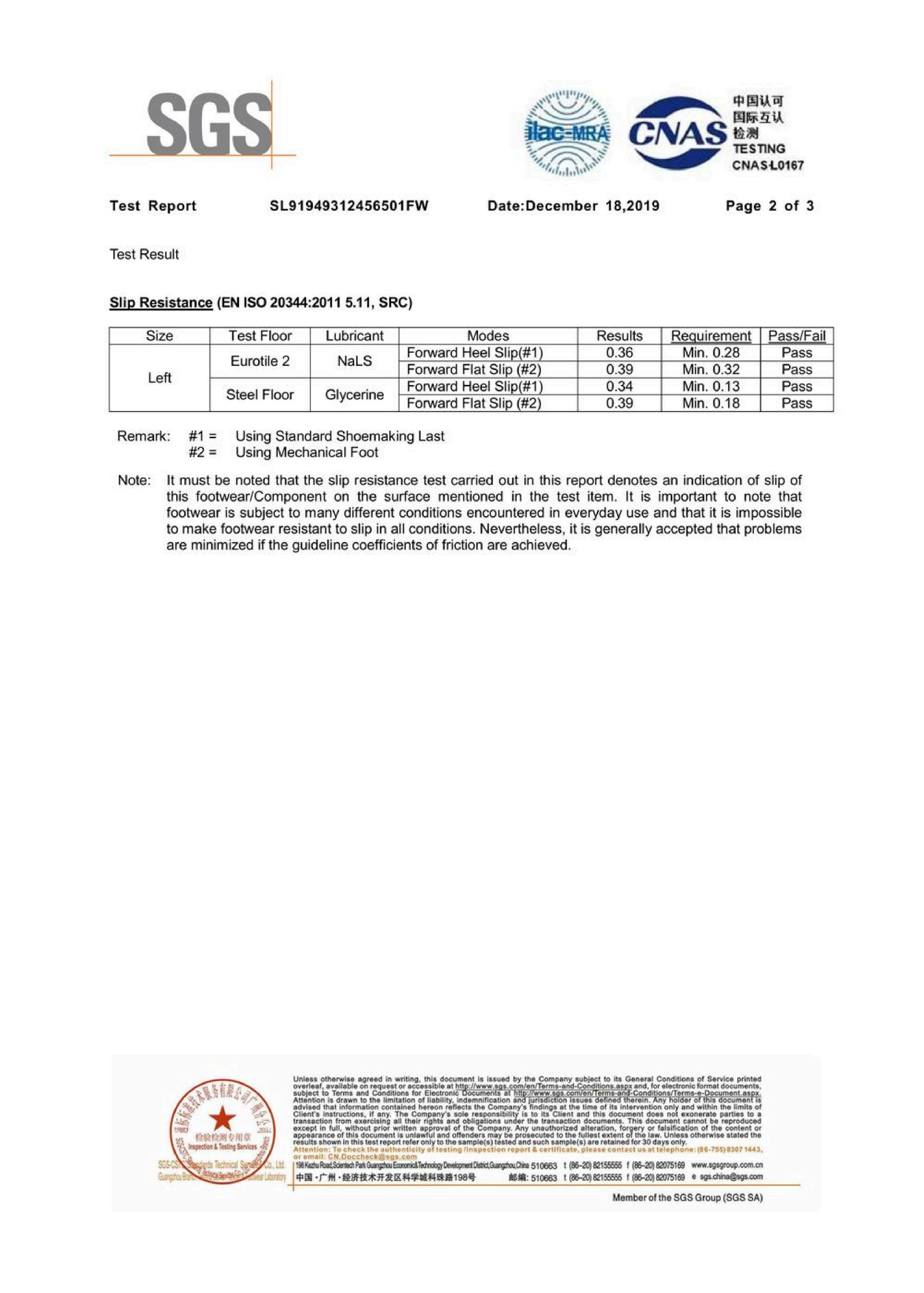
SGS Anti-Skid Shoe Report B
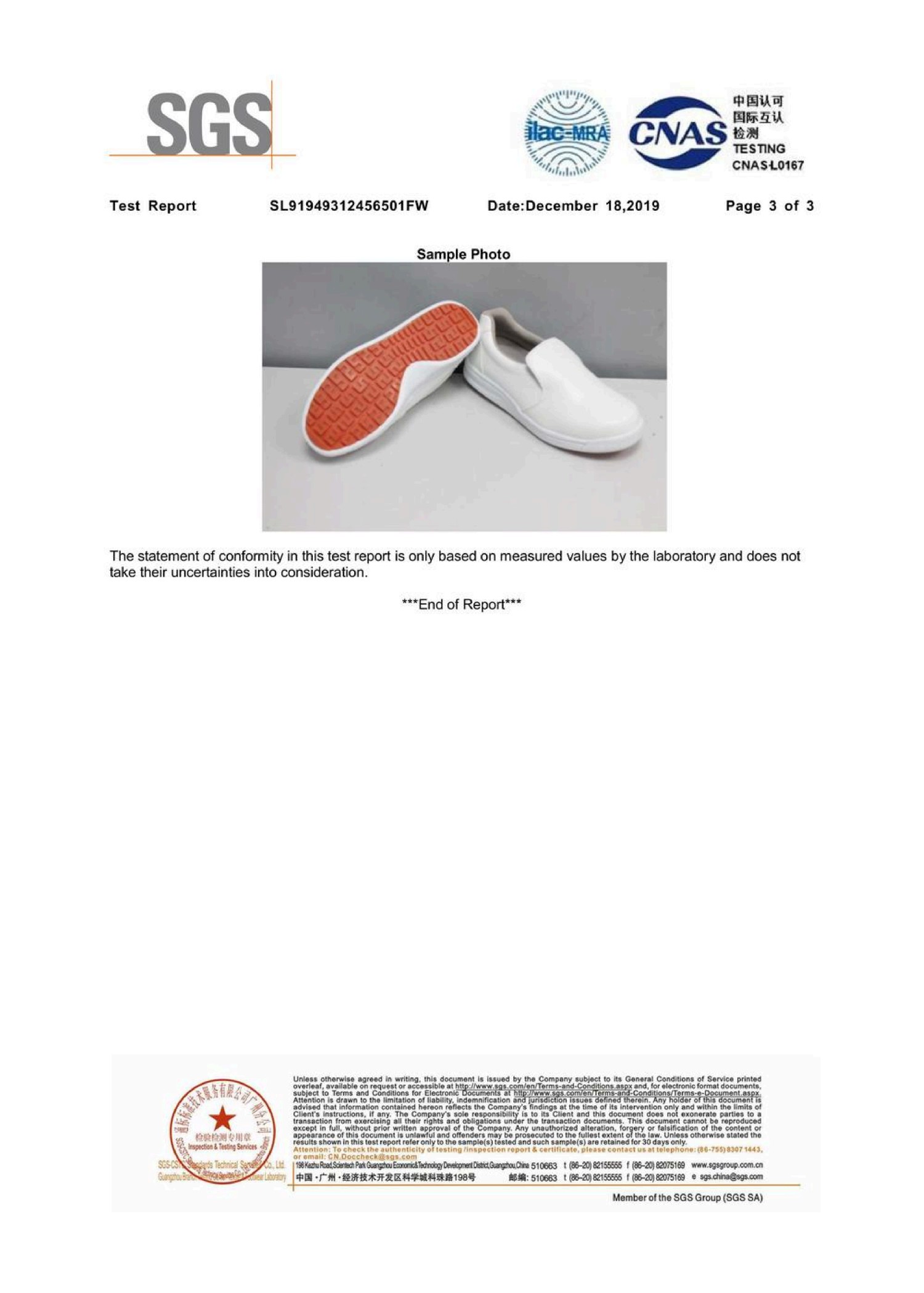
SGS Anti-Skid Shoe Report C
Sanxia Factory QA Standard

SINCE 2013. Custom Cleanroom Workwear Solutions for Global Food Industries.