- Home
- Products
- OEM Service
- Industry Solutions
- Case Studies
- About Us
- Resources
- Contact
inquiry now
Leave Your Message
Designed specifically to meet the rigorous environmental and safety demands of modern food manufacturing facilities.




In the global food manufacturing and processing industry, maintaining an uncompromising standard of hygiene is not merely a operational preference—it is a strict regulatory requirement. Contamination control is the cornerstone of consumer safety and brand reputation. While cleanroom apparel, gloves, and hairnets are universally recognized components of personal protective equipment (PPE), the significance of specialized cleanroom shoes for food processing plants is often underestimated. Footwear is the primary contact point between the worker and the facility floor, making it one of the most active vectors for cross-contamination, microbial migration, and physical safety hazards.
Food processing plants are highly dynamic and challenging environments. They combine elements of biological vulnerability with heavy industrial operations. The challenges can be broadly categorized into three major areas:
Our range of cleanroom shoes for food processing plants is engineered to align with Hazard Analysis Critical Control Point (HACCP) principles and Good Manufacturing Practices (GMP). By utilizing non-porous, easily sanitizable, and chemical-resistant materials, our footwear helps control biological hazards at critical process steps.
The global demand for food safety compliance has driven massive growth in the hygienic safety wear market. Modern processing facilities are transitioning from basic rubber boots to highly specialized cleanroom shoes. The commercial reality is that a single product recall due to contamination can cost food brands millions of dollars in direct losses, legal liabilities, and irreparable brand damage. Consequently, procurement officers and plant managers are prioritizing premium, certified footwear that guarantees long-term durability, certified slip resistance, and ease of sterilization.
Different areas within a food processing plant require distinct functional characteristics in cleanroom footwear. Understanding these scenarios is vital for selecting the appropriate shoe design.
In facilities handling raw meats, dairy, or seafood, moisture is constant. Floors are frequently wet, covered in organic fats, and subjected to intensive chemical cleaning. Footwear in these zones must be completely waterproof, resistant to animal fats and lactic acids, and feature deep-tread slip-resistant outsoles. Water-resistant microfibers or molded polyurethane (PU) clogs with sealed seams are the industry standard here, preventing moisture ingress that could harbor bacterial growth inside the shoe.
In environments handling dry powders, flour, sugar, or spices, the primary risk shift from liquid slip hazards to dust accumulation and electrostatic discharge (ESD). Finely dispersed organic dust in the air can present an explosion hazard if ignited by an electrostatic spark. Here, ESD-safe cleanroom shoes are mandatory. These shoes safely dissipate static electricity build-up from the worker's body to the grounded floor, while maintaining dust-free material properties that prevent powder from adhering to the shoe upper.
The high-care zone is where food undergoes final cooking, assembly, or packaging before sealing. Any contamination here goes directly to the consumer. Footwear in these zones must be strictly dedicated, color-coded to prevent cross-zone wear, and capable of undergoing rigorous daily sterilization. Lightweight, autoclavable clogs or microfiber slip-ons that can withstand chemical dipping baths without degradation are critical to maintaining these ultra-sterile barriers.
We partner with global food brands to deliver custom-manufactured safety footwear tailored to specific plant requirements.


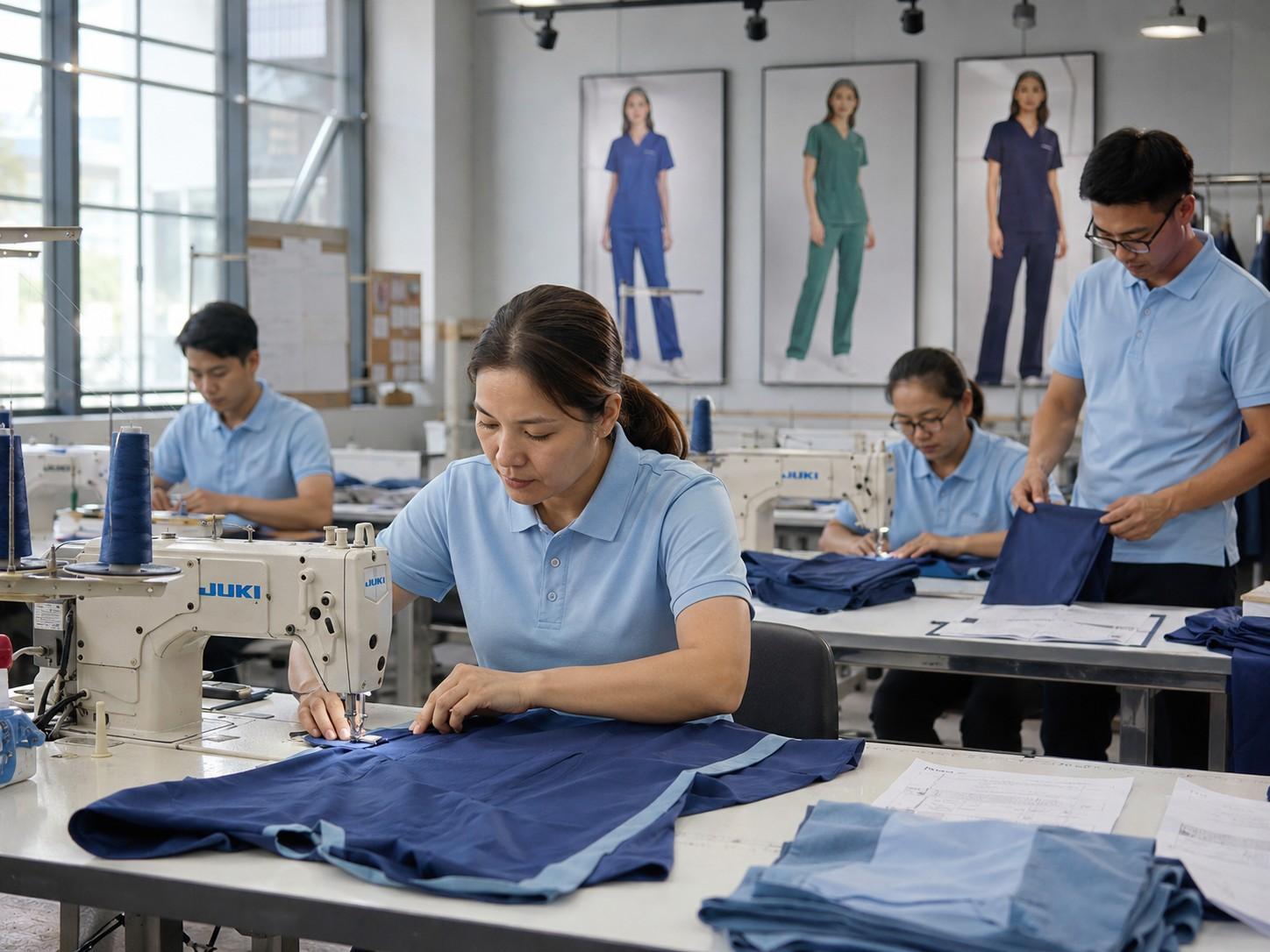

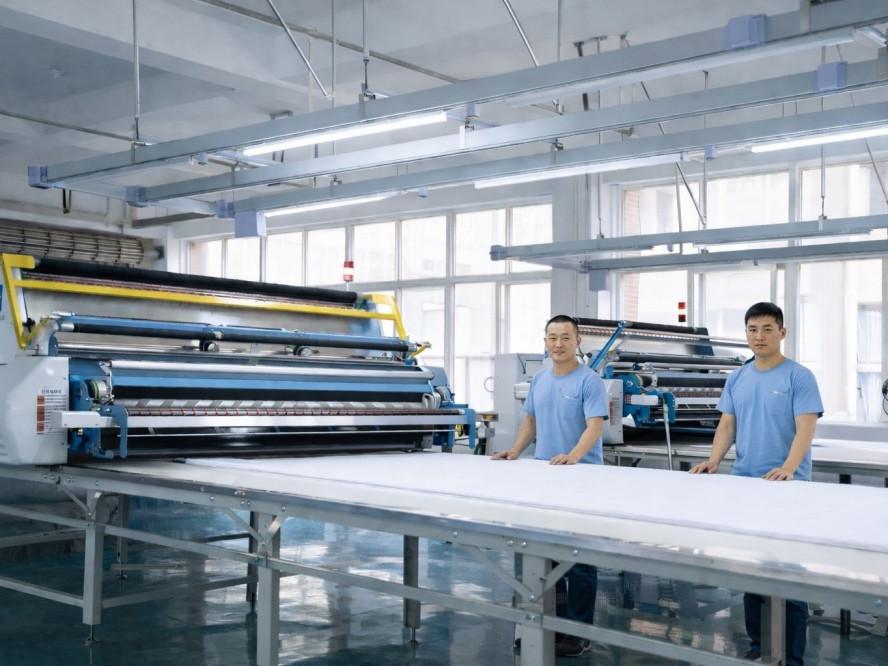
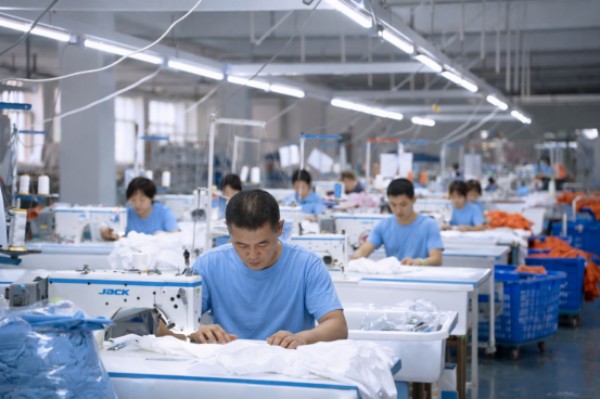

Leverage our advanced R&D capabilities to design and develop next-generation cleanroom footwear from scratch.

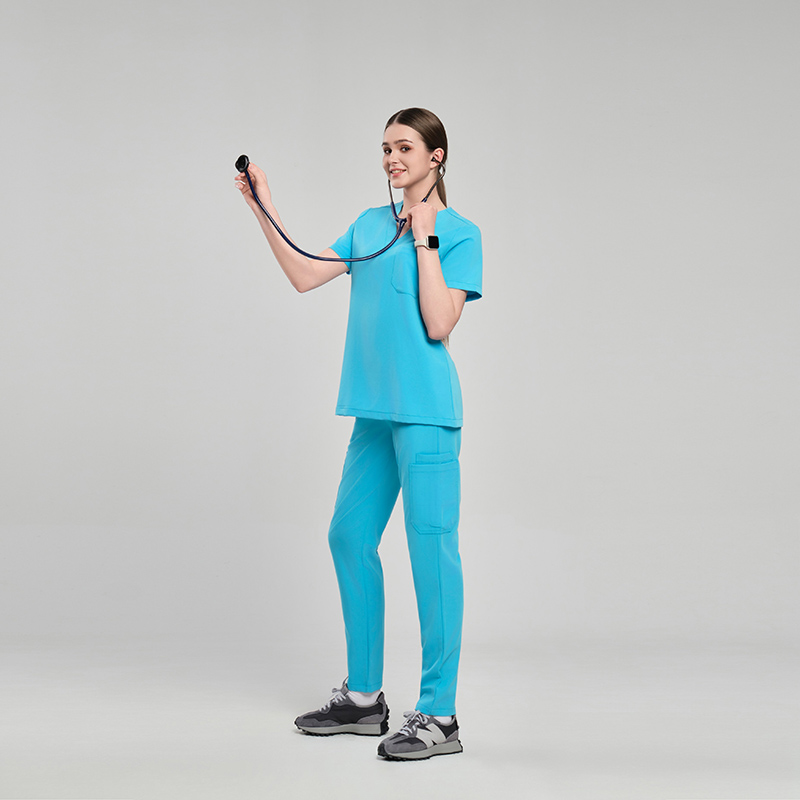


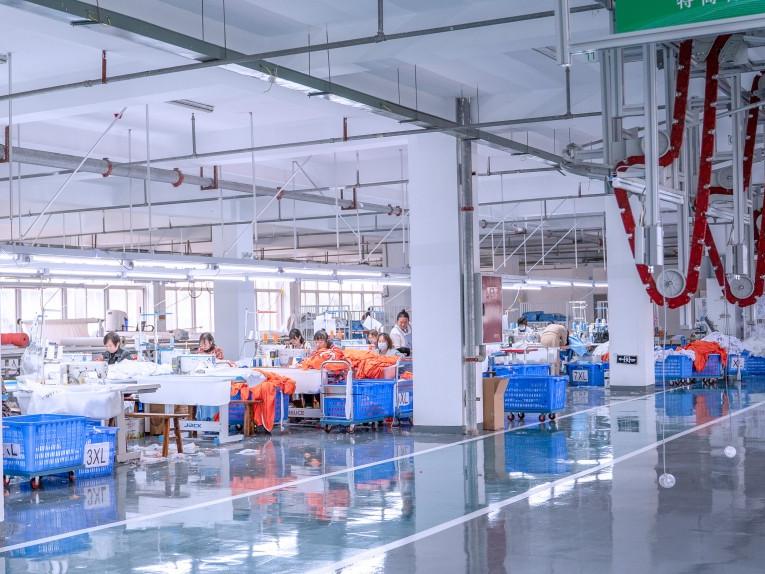
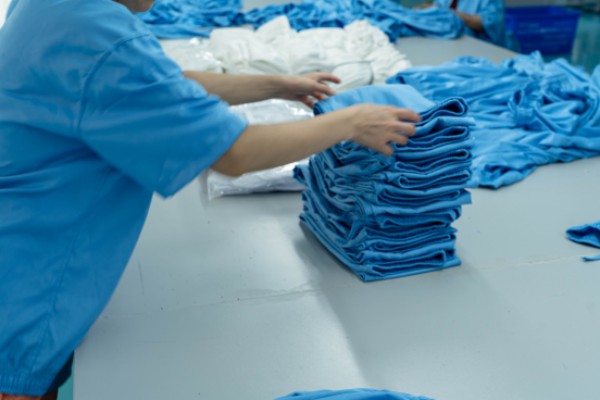
The evolution of cleanroom shoes for food processing plants is deeply rooted in materials science. Traditional rubber and PVC boots, while waterproof, lack the breathability, comfort, and advanced anti-microbial properties required for modern 12-hour shifts. Today's manufacturing relies on sophisticated synthetic compounds:
High-grade microfiber replicates the molecular structure of natural leather but offers superior performance in cleanroom settings. It is highly resistant to water, animal fats, and chemicals. Unlike natural leather, microfiber does not crack, peel, or harbor bacteria in pores. It can be treated with anti-bacterial coatings that actively inhibit the growth of pathogens on the shoe surface.
Comfort is directly linked to worker productivity and safety. Dual-density PU outsoles provide exceptional shock absorption, reducing musculoskeletal fatigue for workers standing on hard concrete floors all day. Furthermore, the molecular structure of the outsole is engineered for high slip resistance (SRC rating), ensuring maximum grip on wet, soapy, or oily tile surfaces common in food plants.
As food processing plants become more automated, safety wear is evolving. The integration of RFID chips in cleanroom shoes allows for automated tracking of footwear sanitization cycles. This ensures that workers only enter high-care zones with shoes that have passed through the required washing and disinfection protocols. Additionally, the shift toward sustainable and bio-based materials is driving the development of biodegradable cleanroom shoes that maintain performance without contributing to industrial waste accumulation.
We specialize in the custom manufacturing of workwear for the medical, electronics, food, biopharmaceutical, and cleanroom industries. Through extensive project experience, we have developed strong capabilities in industry requirement understanding, product development, functional fabric application, quality control, and mass production delivery.

We are familiar with the customization requirements and workwear standards of different industries, including HACCP, GMP, and cleanroom-related requirements. This enables us to provide workwear solutions that better match customers' actual production environments.

We support multiple cooperation models, from sample-based production and specification adjustment to full product development, providing flexible OEM and ODM customization services based on customer needs.

We focus on the functional performance of workwear in real-world applications, offering options such as moisture-wicking and quick-drying, anti-static, antibacterial, UV protection, and oil-resistant performance according to different application scenarios.

We implement strict quality control throughout the entire process, from fabric selection and accessory configuration to production and manufacturing. This helps ensure stable batches, consistent sizing, reliable workmanship, and long-term repeat purchasing needs.

We provide design, sampling, small-batch production, and mass production services. Production schedules can be flexibly adjusted according to order volume and delivery requirements, helping customers achieve more stable and efficient project delivery.

In addition to workwear, we also provide matching work caps, aprons, work shoes, and other related products, making it easier for customers to conduct centralized purchasing, unified image management
Explore our comprehensive selection of specialized footwear built for hygiene compliance, anti-static safety, and maximum comfort.

Our manufacturing processes and products strictly adhere to international quality and hygiene standards.