
- Home
- Products
- OEM Service
- Industry Solutions
- Case Studies
- About Us
- Resources
- Contact
inquiry now
Leave Your Message
Engineered for the most demanding sub-micron manufacturing environments.




In the world of semiconductor fabrication, the margin for error is measured in nanometers. As the industry pushes toward 3nm and 2nm process nodes, the role of Cleanroom Garments For Semiconductor Cleanrooms has transitioned from simple protective wear to a critical component of the production yield. A single human skin cell or a microscopic dust particle can bridge the gap between conductive lines on a wafer, resulting in catastrophic failure and millions of dollars in losses.
Industrial Status: The global semiconductor cleanroom apparel market is witnessing an unprecedented surge, driven by the expansion of "Mega-Fabs" in the USA, Taiwan, and Europe. Modern cleanroom garments must now offer a dual-function: protecting the environment from human-generated particles and protecting the wearer from hazardous chemicals used in photolithography and etching.
Unlike standard medical or laboratory settings, semiconductor cleanrooms (often ISO Class 1 or Class 3) require garments with 99.9% filtration efficiency. These garments are typically made from continuous filament polyester with integrated conductive carbon fibers. The grid pattern—usually 5mm or 2.5mm—is not just aesthetic; it is a sophisticated Electrostatic Discharge (ESD) mitigation system. In a dry, controlled environment, static electricity can build up on a worker's body; without proper grounding through ESD-safe garments, a sudden discharge could destroy sensitive CMOS sensors or microprocessor logic gates.
The next generation of cleanroom garments is going "Smart." We are seeing the integration of RFID tags for automated laundry cycle tracking, ensuring that a garment never exceeds its certified lifespan of washes. Furthermore, experimental fabrics now feature embedded sensors to monitor real-time ESD levels and body temperature, ensuring both yield safety and worker comfort.
The industry is moving away from "disposable" culture. High-durability, recyclable cleanroom fabrics are being developed to reduce the environmental footprint of massive fab operations. Manufacturers are now focusing on garments that maintain filtration integrity even after 100+ sterilization cycles.
As shifts in fabs can last 12 hours, ergonomics is key. Modern designs focus on "breathable" filtration—fabrics that allow moisture vapor to escape while keeping particulates trapped. This reduces worker fatigue and minimizes "pumping" effects where air is forced out of garment openings during movement.

Demand Communication

Design and Development
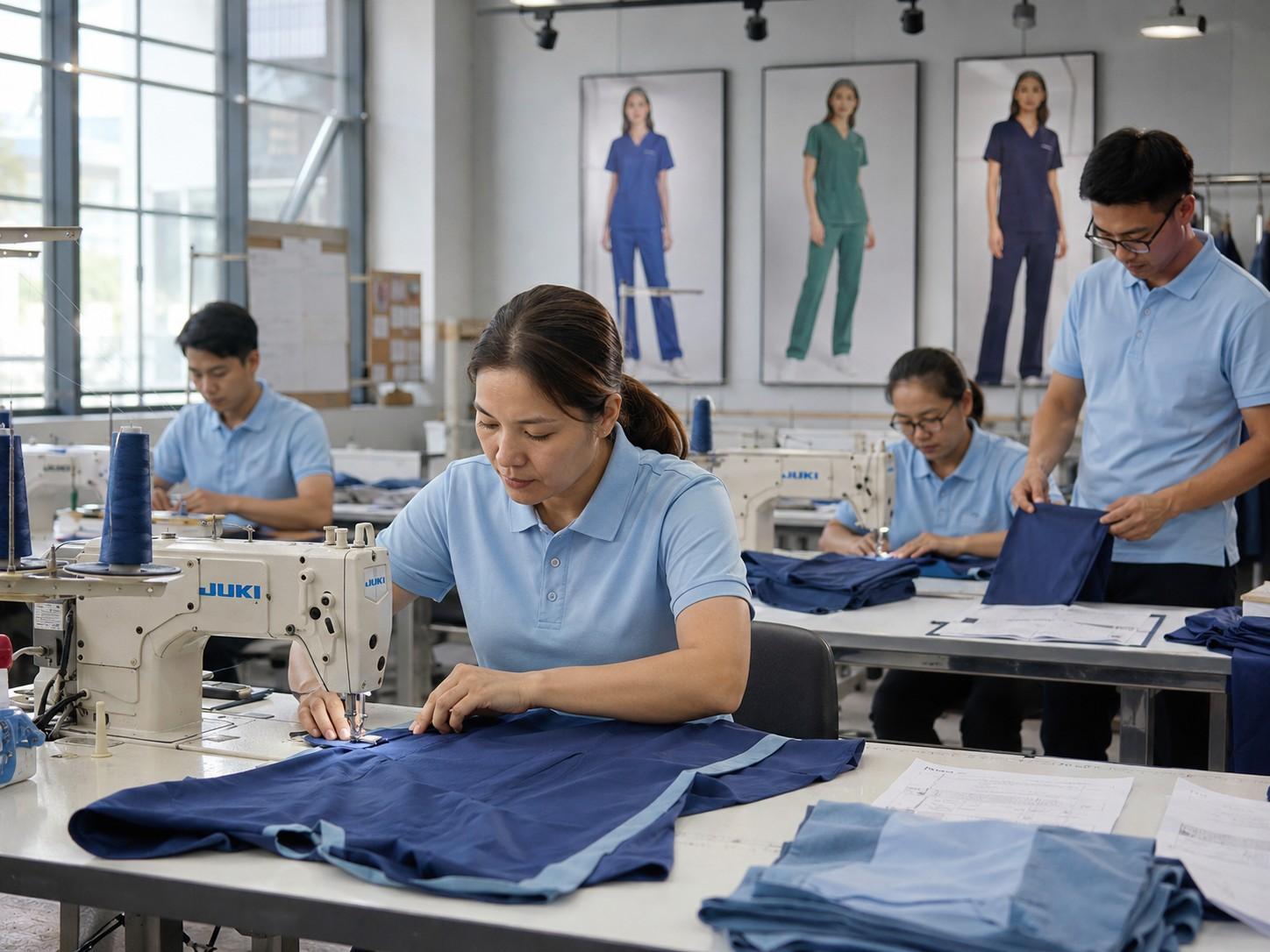
Proofing Confirmation

Quotation & Contract
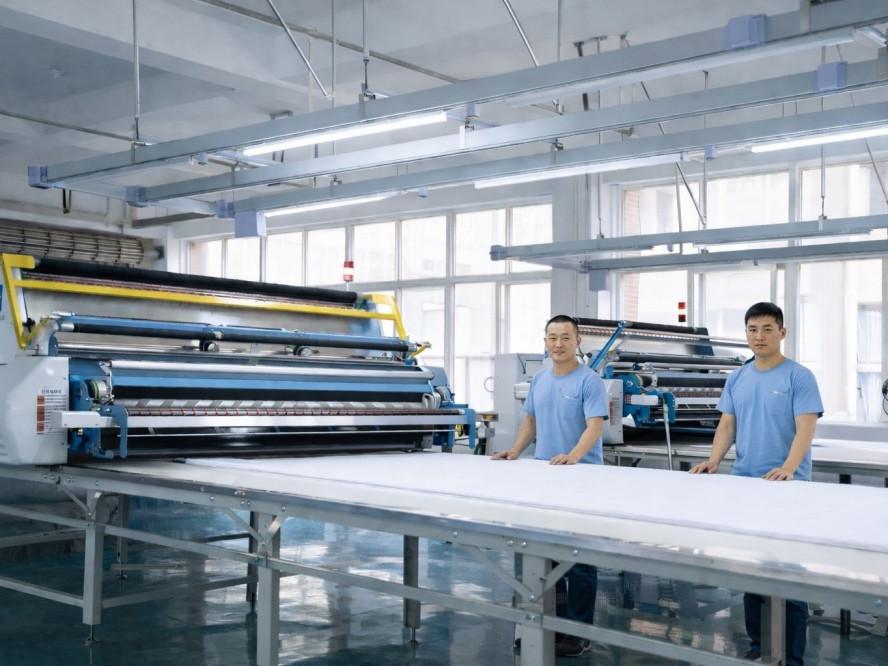
Production Prep
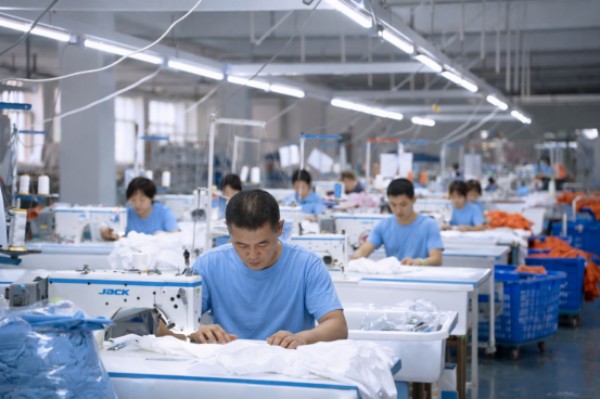
Mass Production
Quality Inspection
Packaging & Shipment

After-Sales Service
The application of cleanroom garments varies significantly depending on the specific "zone" of the semiconductor facility. Understanding these nuances is vital for procurement managers and fab engineers.
This is the most critical area. Here, garments must be strictly "lint-free." Any fiber shedding could ruin a wafer. Our garments for this sector utilize Laser-Cutting technology to seal fabric edges, preventing fraying. The hoods are designed to integrate seamlessly with PAPR (Powered Air Purifying Respirator) systems to ensure no human breath bypasses the filtration layers.
While the cleanliness requirements might be slightly lower (ISO Class 5-7), the ESD risk is at its peak. As chips are sliced and bonded, they are highly vulnerable to static. Garments here focus on high-conductivity grids and must be paired with ESD-safe footwear and grounding straps. Our ODM services allow for the integration of custom pockets for specialized tools used in the packaging process.
Photomasks are the "blueprints" for chips. A single speck on a mask is replicated on every single chip produced from it. Cleanroom garments for mask shops require the highest level of chemical resistance, as the cleaning agents used for masks are often highly corrosive.

Market Research
Product Definition

Design & Development
Sample Testing

Solution Confirmation
Contract Signing
Production Prep
Bulk Production
Why industry leaders choose our specialized cleanroom apparel services.

Familiar with HACCP, GMP, and ISO standards for cleanrooms.

Flexible cooperation models from sampling to full development.

Moisture-wicking, anti-static, and antibacterial properties.

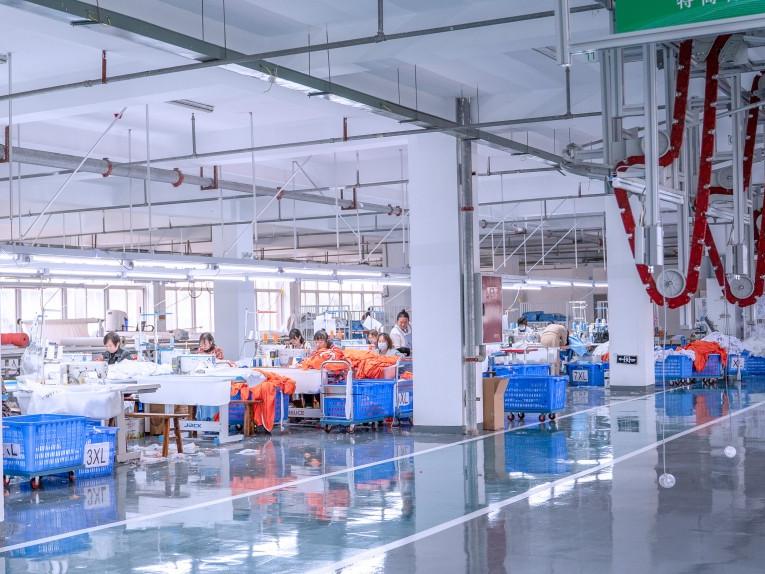
Strict control from fabric selection to final workmanship.
When selecting Cleanroom Garments For Semiconductor Cleanrooms, engineers must look beyond the price tag. The technical specifications define the garment's ability to protect the wafer fabrication process.
Our manufacturing process incorporates these standards into every stitch. By using double-needle felled seams, we ensure that no raw fabric edges are exposed, further reducing the risk of fiber contamination in the fab.
Unified image management and centralized purchasing for all cleanroom needs.




As the semiconductor industry continues to scale, the demand for high-performance Cleanroom Garments For Semiconductor Cleanrooms will only grow. Choosing a partner that understands the intersection of textile science and microelectronic contamination control is not just a procurement decision—it's a strategic investment in your fab's yield and profitability.
We combine decades of experience in OEM and ODM manufacturing with a deep understanding of functional fabrics to deliver garments that meet the world's strictest standards. From ISO Class 1 coveralls to ESD-safe lab coats, we provide the armor your team needs to build the future of technology.
Contact our technical team today for a custom consultation on your semiconductor apparel requirements.