Choosing a reliable manufacturer for top-quality doctor uniforms from China isn’t just about looking at pretty catalog photos. You’ve got to remember, healthcare clothing has to endure those long shifts, constant washing, and lots of movement. A sleek website is just a good starting point, but it doesn’t tell you everything.
In this guide, I’ll walk you through how experienced buyers actually evaluate suppliers for men's doctor uniforms. Things like fabric weight, breathability, colorfastness, stitching quality, pocket placement, and sizing consistency all matter big time. For example, a reinforced side seam can prevent those pesky tears early on, and a smooth collar can save your neck from irritation after a 12-hour shift. When you’re serious about quality, it’s smart to test samples, keep good communication with the factory, look into their production capacity, and see if they follow documented quality procedures.
Good manufacturers are upfront about what they're using. They should be able to tell you the fabric details, what sizes are available, how much customization they can handle, and realistic timelines for delivery. Of course, asking for pre-production samples and inspecting finished garments before they ship is a smart move—these steps really help cut down surprises, though they’re not foolproof. Sometimes, samples look way better than bulk orders, so keep that in mind.
Experience counts too. Those who’ve been working with hospitals, clinics, universities, or uniform distributors tend to know the drill of repeat orders and high standards. But don’t just take their word for it—check references, review inspection records, and observe how consistent their replies are. Certifications can help build trust, but make sure they match what’s actually happening at the factory.
No supplier stays perfect forever. Factories change their equipment, staff, and sources of materials. So, this overview isn’t about finding a perfect, unbeatable option—it’s about using practical comparison points. The goal is to find Chinese manufacturers that combine solid craftsmanship, transparent communication, and reliable service. The best supplier isn’t always the cheapest—it’s the one that provides comfortable, durable uniforms with fewer avoidable problems. That’s what really counts.
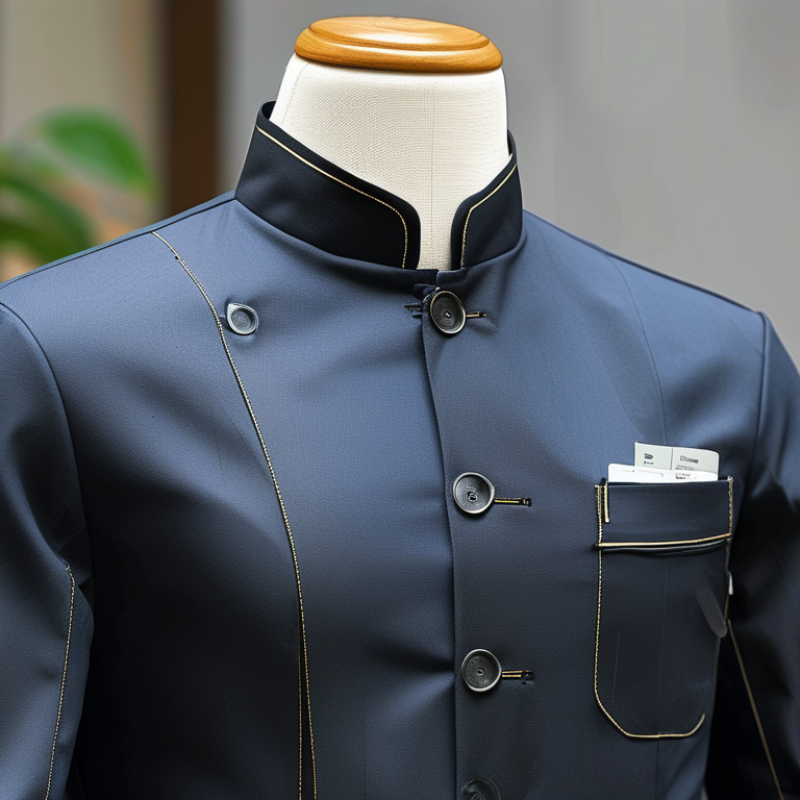
China has become a major production center for men’s doctor uniforms, supported by mature textile supply chains and skilled garment workers. Manufacturers can source cotton blends, stretch fabric, buttons, zippers, and packaging from nearby suppliers. This reduces lead times and allows practical customization for hospitals, clinics, and medical distributors. Fit matters.
Experienced factories usually begin with fabric testing before bulk cutting. They check color stability, shrinkage, tear strength, and resistance to repeated washing. Pattern teams then adjust shoulder width, sleeve length, pocket depth, and waist shaping for male users. These details affect comfort during long ward rounds and emergency movements.
Quality control continues through stitching, pressing, measurement checks, and final inspection. Some workshops use sampling plans, while others inspect every garment manually. Buyers searching for Doctor Scrubs Men should request size charts, fabric reports, production samples, and clear inspection records. A reliable supplier should explain its correction process when measurements fail. No factory is perfect. A loose thread or uneven pocket can still pass unnoticed without careful review. China’s role is not only low-cost production; it also includes technical development, flexible order handling, and export experience. Still, buyers should verify claims independently and avoid choosing solely by price.
High-quality men’s doctor uniforms begin with fabric selection, not decoration. A reliable blend should feel breathable during long ward rounds. Cotton-rich fabric improves comfort, while polyester adds shape retention and faster drying. The best balance depends on climate, workload, and washing frequency.
Fit matters just as much. A professional uniform should allow easy shoulder movement and comfortable sitting. Sleeves must not catch on equipment or restrict hand hygiene. Reinforced seams support repeated laundering. Secure pockets are useful, but oversized pockets may collect unnecessary items. Small details matter.
Nursing Uniform Men styles should also support a clean, credible appearance. A stable collar, concealed closures, and smooth hems reduce snagging risks. Light colors can reveal stains quickly, helping staff change garments sooner. However, very thin white fabric may become transparent under strong clinical lighting. That weakness is often overlooked.
In my experience, durability claims need practical testing. Check shrinkage after several wash cycles. Inspect thread tension around pockets and side seams. Ask whether fabric performance remains stable after routine disinfection. Some uniforms feel excellent during fitting but lose shape later. This is where specifications sometimes fall short.
A good manufacturer should provide clear fabric data, size measurements, and production quality controls. Sample testing is wise before larger orders. It can reveal inconsistent sizing or uncomfortable armholes. No uniform stays perfect forever. Still, careful construction makes daily work easier and more dependable.
Medical workwear starts with material selection, not decoration. In factory evaluations, polyester-cotton blends remain practical because they resist shrinkage and repeated washing. Yet high polyester content can reduce breathability during long clinical shifts. Fit still matters. A 2023 healthcare textile review found that thermal comfort strongly affects worker satisfaction and garment compliance. Manufacturers should test fabric weight, air permeability, colorfastness, and seam strength before bulk production.
Barrier performance requires measurable construction standards. AAMI PB70 classifies protective gowns by liquid-barrier levels, while EN 13795 addresses surgical clothing and microbial cleanliness. ISO 13688 supports general requirements for protective clothing, including sizing, labeling, and ergonomic design.
WHO’s Global Report on Infection Prevention and Control states that effective infection-prevention programs can reduce healthcare-associated infections by up to 70 percent.
Uniform design cannot replace proper laundering or workplace procedures. That assumption needs review.
Reliable men’s doctor uniforms should use reinforced pocket openings, covered seams, secure closures, and smooth inner surfaces. A practical sample test includes fifty industrial wash cycles, followed by checks for pilling, seam distortion, and fading. Many garments pass visual inspection but fail after repeated laundering.
We still see cuffs that trap moisture and buttons that interfere with gloves. Small defects matter. Manufacturers should document fiber composition, test methods, batch records, and dimensional changes. Reports and certificates help, but direct wear trials reveal problems that laboratory samples may hide.
China’s medical garment industry is concentrated in Jiangsu, Zhejiang, Guangdong, and nearby textile clusters. Jiangsu is known for stable fabric supply and large-scale cutting facilities. Zhejiang often supports flexible production, detailed sewing, and private-label orders. Guangdong adds strong logistics, packaging, and export coordination. These regional strengths can shorten sampling time and improve material sourcing.
Jiangsu is known for stable fabric supply and large-scale cutting facilities.
Zhejiang often supports flexible production, detailed sewing, and private-label orders.
Guangdong adds strong logistics, packaging, and export coordination.
Experienced manufacturers usually manage fabric inspection, pattern development, automated cutting, stitching, pressing, and final quality checks. Common materials include cotton blends, polyester-rich fabrics, and stretch panels for movement. A reliable factory should test colorfastness, shrinkage, seam strength, and dimensional accuracy. Pocket placement matters too. A pen should not fall when a clinician bends forward. Size grading must also support different body shapes, including Doctor Uniform Women collections.
Production capacity varies widely. Some workshops handle 500 pieces monthly, while larger facilities can produce several thousand pieces weekly. Capacity alone proves little. A crowded factory may rush sewing and miss loose threads or uneven collars.
I have found that pre-production samples reveal more than attractive catalog photos. Even experienced teams can overlook sleeve balance after washing. Buyers should request measurable inspection records, fabric certificates, and clear approval procedures before bulk production. Small inconsistencies deserve attention.
Chinese manufacturers usually begin with a technical design brief, not a catalog image. Buyers specify collar shape, pocket depth, fabric weight, size range, and embroidery position. Pattern teams then create digital samples and check movement around the shoulders, waist, and arms. This matters because doctors often bend, reach, and carry small instruments during long shifts.
Material choices need evidence. Textile Exchange’s Materials Market Report 2024 states that polyester represented about 59% of global fiber production in 2023. Manufacturers often blend polyester with cotton or stretch fibers for easier washing and improved comfort. They may test colorfastness, shrinkage, seam strength, and pilling before approving bulk production. A uniform can look excellent on a sample table. It may feel different after fifty washes.
Customization is usually controlled through several sample rounds. A factory may prepare a size-set sample, a pre-production sample, and a final inspection sample. Buyers can adjust sleeve length, chest ease, button placement, and identification details at each stage. According to Grand View Research’s medical textiles report, the global medical textiles market was valued at roughly USD 19.5 billion in 2022, with continued growth expected through 2030. This market pressure encourages faster development, but speed can create mistakes. A measurement sheet may still miss regional body-shape differences. Experienced teams therefore combine CAD grading with real fitting tests, wash trials, and documented quality checks. Human judgment remains necessary.
For China-based Uniform Doctor manufacturers, quality control should begin with fabric inspection, not final packing. Technicians check GSM, color consistency, shrinkage, and surface defects before cutting. A 60°C wash test can reveal unexpected fading or distortion. Small details matter.
During production, inspectors review seam strength, pocket alignment, button security, and embroidery placement. Each batch should include measurement records and sample comparisons. Metal detection helps reduce risks from broken needles. However, inspection systems are never perfect. A rushed recheck may miss uneven stitching, so independent final inspection remains valuable.
Certification documents must match the actual factory, product, and production scope. ISO 9001 supports documented quality procedures, but it does not guarantee flawless uniforms. Manufacturers should also provide fabric composition reports, colorfastness results, and chemical safety documentation when required. Export preparation requires accurate fiber labels, carton marks, commercial invoices, packing lists, and correct HS classification. Destination rules may require additional labeling or testing. Requirements change.
Before shipment, buyers should confirm carton dimensions, gross weight, country-of-origin marking, and approved samples. Customs discrepancies can delay otherwise acceptable goods. A practical supplier keeps traceable batch numbers from fabric rolls to finished cartons. Some factories still rely too heavily on verbal promises. Written inspection criteria create stronger accountability and make corrective action easier.
This reference chart shows the relative importance of common quality-control and export-readiness areas. Product labeling, fiber-content disclosure, and export documentation are essential for international shipments, while ISO 9001, OEKO-TEX Standard 100, and pre-shipment inspection provide additional assurance and market acceptance.
: Cotton-rich blends improve comfort during long shifts. Polyester adds shape retention and faster drying. The best choice depends on climate, workload, and washing frequency.
It should allow shoulder movement and comfortable sitting. Sleeves must support hand hygiene without catching equipment. Armholes need practical fitting tests.
Stable collars, concealed closures, and smooth hems reduce snagging. Secure pockets are useful. Oversized pockets may collect unnecessary items.
Light colors reveal stains quickly. Staff can change garments sooner. Very thin white fabric may become transparent under strong clinical lighting.
Wash samples repeatedly before bulk orders. Check shrinkage after several cycles. Inspect pocket seams, side seams, fading, and fabric shape.
Buyers provide measurements, fabric weight, collar shape, pocket depth, and decoration positions. Factories may create digital, size-set, and pre-production samples.
No. A sample can mislead.A uniform may feel excellent initially but change after fifty washes. Real fitting, wash trials, and inspection records provide stronger evidence.
Inspect fabric GSM, color consistency, shrinkage, and surface defects before cutting. During production, check seams, pockets, buttons, measurements, and decoration placement.
Request fabric composition, colorfastness, chemical safety, and quality-system documents. Confirm that certificates match the factory and product scope.
Check carton dimensions, gross weight, fiber labels, origin marking, invoices, packing lists, and classification details. Requirements may change by destination. Written criteria help.
China has become an important center for producing high-quality Doctor Uniform Men, supported by advanced textile technology, skilled workers, and efficient large-scale manufacturing. Reliable uniforms are designed for comfort, durability, mobility, and a professional appearance, with features such as breathable fabrics, functional pockets, reinforced seams, practical closures, and easy-care finishes. Common materials include cotton blends, polyester, stretch fabrics, and performance textiles selected according to climate, workplace needs, and usage frequency. Strict construction standards help ensure long service life, color stability, and consistent sizing.
Major manufacturing regions offer strong production capacity, flexible order volumes, and efficient supply-chain support. Manufacturers can manage customized designs, including fabric selection, colors, embroidery, sizing, labels, packaging, and private specifications. Throughout production, quality control typically covers raw-material inspection, pattern accuracy, stitching, measurement checks, and final product evaluation. Professional suppliers also prepare relevant testing documents, certifications, and export materials according to destination-market requirements, helping buyers receive dependable medical workwear with consistent quality and practical value.