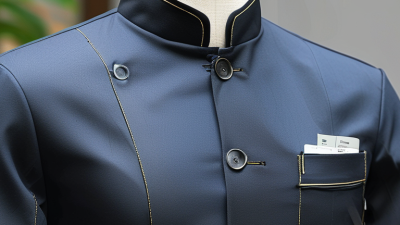
China Top Doctor Uniform Manufacturers for Global Buyers offers a practical starting point for hospitals, clinics, distributors, and private medical brands. Reliable Doctor Uniforms must balance comfort, durability, hygiene, and professional appearance. In a busy ward, a uniform faces repeated washing, quick movement, spilled liquids, and long working hours. Small details matter, including reinforced pocket corners, breathable fabric, secure buttons, and accurate size grading.
Healthcare apparel consultant Dr. Elena Marlow explains, “A medical uniform succeeds when it supports the worker before it represents the brand.” This principle guides the evaluation of China’s leading manufacturers. Strong suppliers usually provide fabric samples, custom embroidery, color matching, size charts, and pre-production samples. They should also explain fabric composition, washing performance, production capacity, and quality-control procedures. Buyers should review stitching closely. A polished catalog is not enough.
Important checks include shrinkage testing, colorfastness, seam strength, and packaging protection. Communication also matters, especially when specifications cross languages and time zones. Some manufacturers offer attractive prices but limited customization. Others provide excellent design support but require higher minimum order quantities. No supplier is perfect. That is worth remembering. Careful buyers compare evidence, not promises.
This guide examines China Top Doctor Uniform Manufacturers for Global Buyers through practical sourcing factors. It considers manufacturing experience, product consistency, responsiveness, and export readiness. The goal is not to promote one factory blindly. It is to help global buyers select Doctor Uniforms that perform reliably in real healthcare environments.

Doctor uniforms are professional garments designed for clinical work, patient contact, and daily hygiene. They commonly include scrub sets, medical coats, tunics, trousers, and protective outer layers. In medical practice, uniforms create a clear professional identity. A clean, well-fitted uniform can support patient confidence during examinations and consultations. It also helps staff move safely between demanding tasks. Patients often notice small details, including loose threads, stained cuffs, and uncomfortable collars.
From a buyer’s perspective, reliable uniforms require more than attractive photographs. Fabric should allow airflow, resist repeated washing, and maintain its shape during long shifts. Strong seams matter around pockets, shoulders, and trouser joins. Manufacturers should provide size charts, fabric specifications, and sample testing before large orders. Practical experience shows that nurses often need deep pockets, while laboratory staff may prefer easier-cleaning materials. However, uniform design is not perfect. A white coat may look authoritative, yet it can restrict movement or feel too warm. That weakness deserves honest review.
China’s doctor uniform manufacturing industry combines large-scale production with increasingly precise medical apparel design. Factories commonly offer polyester-cotton blends, stretch fabrics, and lightweight materials for long hospital shifts. Fabric weight, breathability, shrinkage, and colorfastness are tested before bulk production. Small details matter. Reinforced pocket corners reduce tearing, while covered seams improve comfort during repeated movement.
Experienced manufacturers usually support pattern development, size grading, embroidery placement, and private labeling for global buyers. A professional supplier should provide fabric specifications, measurement charts, pre-production samples, and inspection records. Many facilities also use cutting systems and computerized sewing equipment to improve consistency. However, automation does not remove every risk. Uneven stitching or incorrect sizing can still appear in a shipment.
Reliable sourcing requires more than comparing unit prices. Buyers should examine production capacity, quality-control procedures, packing methods, and communication practices. Sample approval is essential, especially when uniforms must fit different body shapes or follow hospital color standards. Delivery performance can also depend on fabric availability and seasonal workloads. The industry is capable, but it is not flawless. Careful inspection remains necessary.
Key Features of China’s Doctor Uniform Manufacturing Industry
Fabric selection is a major feature of China’s doctor uniform manufacturing industry. Common specifications include cotton-polyester blends for durability and easy care, 100% cotton for breathability, and polyester for quick drying and color retention. The percentages shown represent fiber composition rather than company or brand market share.
Material choice shapes comfort, hygiene, and purchasing risk. Textile Exchange’s Materials Market Report 2024 states that polyester represented about 57% of global fiber production in 2023. It dries quickly and resists repeated washing. Cotton improves softness and breathability, especially in warm clinics. A cotton-polyester blend often balances both needs. However, fabric weight matters. Lightweight cloth may feel cooler, but it can reveal pockets and wear sooner.
Design should follow real movement. Doctor Uniform Women styles need shaped waists, flexible side panels, and secure pockets. Men’s coats may require broader shoulders and longer sleeves. Global buyers should request size charts based on body measurements, not local assumptions. Custom options include embroidery, contrast piping, snap closures, antimicrobial finishes, and recycled yarns. Claims about antimicrobial performance need laboratory evidence. A polished sample can still fail after ten wash cycles. That mistake is common.
Tips: Ask for a pre-production sample and a wash-test report. Check shrinkage, colorfastness, seam strength, and pocket placement. Request fabric composition and certification records. The Global Organic Textile Standard requires at least 70% certified organic fibers, but certification scope must be verified. Consider climate, hospital washing temperature, and staff feedback before approving bulk production. Perfect customization is not always practical; too many details can increase cost and slow replacement orders.
Evaluating Chinese doctor uniform manufacturers requires more than comparing catalog prices. Request factory photos, production capacity, audit records, and recent export references. A reliable supplier should explain fabric composition, stitching density, shrinkage, colorfastness, and inspection procedures. For Doctor Scrubs Men, check pocket strength carefully. Heavy instruments can pull weak seams during long hospital shifts.
Textile Exchange’s 2024 Materials Market Report states that polyester made up about 57% of global fiber production in 2023. This matters because many scrub sets use polyester blends for durability and easier washing. Ask for fabric test reports, not vague “premium” claims. Verify GSM, blend ratios, dimensional change, and color transfer after repeated washing. Request a pre-production sample in the actual color and size range. One sample is not enough, though. Fit can change between small and oversized garments.
Tips: Compare three suppliers using the same specification sheet. Confirm MOQ, sample charges, lead time, carton details, and replacement terms in writing. An ISO 9001 certificate can support confidence, but it does not prove every shipment is consistent. Inspect random finished pieces before payment. I have found that inexpensive uniforms sometimes hide uneven hems or stiff fabric. That lesson is easy to overlook. Also review communication speed and technical answers. A manufacturer that admits a limitation may be more dependable than one promising everything.
China Top Doctor Uniform Manufacturers for Global Buyers
Quality Standards, Certifications, and Production Checks
Reliable doctor uniform manufacturers treat quality as a controlled process, not a final inspection. They check fabric composition, colorfastness, shrinkage, pilling resistance, seam strength, and washing performance. These details matter when uniforms face repeated laundering and long hospital shifts. Pocket edges should remain firm. Cuffs should keep their shape. Small failures become visible quickly.
Buyers should request current certification documents, not only printed copies. ISO 9001 can support consistent production management, while OEKO-TEX Standard 100 may confirm tested textile safety within its stated scope. Certification names alone prove little. Check the certificate number, issuing body, validity date, and covered products. Requirements may also differ between destination markets, so technical files need careful review.
Production checks should begin when fabric arrives. Inspectors can compare shade standards, measure fabric weight, and record roll defects. During sewing, they should review stitch density, label position, measurements, and pocket alignment. Final inspections often use sampling plans, such as AQL, alongside carton, quantity, and packaging checks. Photos and batch records improve traceability. However, no factory check is perfect. A rushed inspection can miss uneven hems or incorrect sizing. One practical improvement is adding random washing tests before shipment, even when schedules become uncomfortable.
| Quality Dimension | Relevant Standard or Reference | What It Verifies | Recommended Evidence from the Manufacturer | Production Checkpoint |
|---|---|---|---|---|
| Quality management system | ISO 9001:2015 | Documented processes for purchasing, production, inspection, corrective action, and customer feedback. | A valid certificate showing the legal entity, certified scope, issuing certification body, and validity period. | Supplier qualification and periodic system audit. |
| Chemical safety | GB 18401-2010; buyer destination-market requirements; OEKO-TEX® STANDARD 100 where specified | Controls selected harmful substances in textile products and supports product safety assessment. | Recent third-party laboratory reports linked to the actual fabric, color, and product components. | Fabric approval, dyeing review, chemical inventory review, and finished-garment testing. |
| Fiber-content accuracy | ISO 1833 series or an equivalent recognized fiber-analysis method | Confirms that the actual fiber composition matches the approved specification and label declaration. | Material specification, supplier certificate, and independent fiber-composition test report. | Incoming-fabric inspection before cutting. |
| Color fastness to rubbing | ISO 105-X12 or AATCC TM8 | Measures color transfer from the garment to a dry or wet rubbing cloth. | Test report identifying the fabric style, shade, test method, and result. | Lab-dip approval and bulk-production fabric testing. |
| Color fastness to laundering | ISO 105-C06 or AATCC TM61 | Evaluates shade change and color transfer after a defined accelerated laundering procedure. | Wash-test report using the buyer’s approved care instructions and test conditions. | Pre-production approval and random finished-garment testing. |
| Dimensional stability | ISO 6330 for domestic washing and drying procedures; ISO 5077 for dimensional-change measurement | Measures shrinkage or growth after laundering and drying under defined conditions. | Before-and-after measurements, test conditions, and the approved tolerance stated in the purchase specification. | Fabric relaxation, pattern adjustment, and final size-set inspection. |
| Seam and construction strength | ISO 13935-2 for seam maximum force; buyer-approved workmanship specification | Assesses resistance of sewn seams to separation under tensile loading. | Seam-strength report, approved sample, stitch-density requirement, and seam-allowance specification. | First-piece inspection, in-line sewing checks, and final audit. |
| Garment measurements and fit | Buyer-approved measurement chart and tolerance schedule | Confirms chest, length, sleeve, shoulder, pocket, and other points of measure against the approved size set. | Sealed reference sample, graded pattern, measurement report, and size-set photographs. | Pattern approval, pre-production sample, and final random measurement. |
| Workmanship and visual defects | Buyer-approved AQL inspection plan; ISO 2859-1 may be used for lot sampling | Controls skipped stitches, open seams, puckering, shade variation, stains, loose threads, and incorrect components. | Inspection checklist, defect classification, sample size, AQL limits, and corrective-action records. | In-line inspection and pre-shipment inspection. |
| Labeling and traceability | Destination-market textile-labeling rules; ISO 9001:2015 traceability controls where applicable | Ensures fiber content, care instructions, size, country-of-origin information, and batch references are correct. | Approved artwork, carton marks, packing list, lot number, and production records. | Label approval, packing-line verification, and carton audit. |
| Environmental management | ISO 14001:2015 | Provides a framework for managing environmental aspects such as energy, waste, chemicals, and compliance obligations. | Valid certificate and scope covering the relevant manufacturing site. | Supplier assessment and periodic compliance review. |
| Worker health and safety | ISO 45001:2018; applicable local occupational-safety requirements | Supports systematic control of workplace hazards and occupational health and safety risks. | Certificate, audit records, emergency procedures, and documented risk assessments. | Factory audit and periodic workplace review. |
Note: Certification requirements, test methods, sampling plans, and acceptance limits should be confirmed against the buyer’s destination market, product specification, and purchase contract. ISO 9001, ISO 14001, and ISO 45001 are management-system standards; they do not by themselves certify the performance of a specific doctor uniform.
China Top Doctor Uniform Manufacturers for Global Buyers
Ordering Doctor Uniform Men from China requires a clear technical brief. Specify fabric composition, weight, stretch, color standard, pocket layout, embroidery position, and size grading. Request a pre-production sample before approving bulk production. Prices usually reflect fabric quality, labor, packaging, quantity, and inspection requirements. A low unit price can hide higher sampling, rework, or replacement costs. I have seen buyers compare factory quotes without comparing fabric weight. That is a costly gap.
Ask for a detailed pro forma invoice showing unit price, sample fees, carton dimensions, payment terms, and Incoterms. Your landed cost includes freight, insurance, customs charges, import duty, and local delivery. The World Bank’s Logistics Performance Index 2023 emphasizes customs efficiency, infrastructure, and shipment timeliness as major supply-chain factors. Therefore, delivery estimates need a buffer. Things happen. Holiday closures and port congestion can change the schedule.
UNCTAD’s Review of Maritime Transport reports that more than 80% of global merchandise trade by volume moves by sea. Sea freight suits larger uniform orders, while air freight may fit urgent replenishment. Confirm the HS classification with your customs broker before shipment. Product labels, fiber content, care instructions, and packing lists should match the actual goods. I would also order a small trial batch first. It may feel slower, but it reveals sizing, color, and stitching problems before a full container arrives.
Reliable partnerships begin with evidence, not attractive catalog images. When sourcing Doctor Scrubs from China, request fabric specifications, graded size charts, stitching photos, and a pre-production sample. Check pocket placement, seam strength, colorfastness, and shrinkage after repeated washing. Details matter.
The ISO Survey 2023 records more than one million ISO 9001 certificates worldwide. Certification does not guarantee perfect uniforms, but it signals documented processes worth reviewing. Ask the supplier for inspection records, corrective-action reports, and batch traceability. The Textile Exchange Materials Market Report 2024 states that polyester represented about 57% of global fiber production in 2023. This highlights why buyers should discuss recycled content, fiber blends, breathability, and end-use comfort instead of accepting vague “premium fabric” claims.
A dependable supplier also explains minimum order quantities, sampling fees, production capacity, and realistic lead times. Confirm these points in writing. During factory discussions, I would request a live video inspection of cutting tables, embroidery areas, and finished-goods storage. Small checks prevent expensive surprises. Still, no supplier relationship is flawless. A delayed sample or inconsistent sleeve length may reveal weak communication before a large order begins. Buyers should record every revision, approve a sealed reference sample, and use an independent inspection plan when order value justifies it. Price remains important, but transparent responses and repeatable quality usually protect margins better.
They support professional identity, patient confidence, hygiene, and safe movement during demanding clinical tasks.
Choose breathable fabric, secure seams, comfortable collars, and practical pockets. Nurses may need deeper pockets.
Check fabric composition, weight, airflow, shrinkage, colorfastness, pilling resistance, and washing performance. Test before ordering.
Inspect fabric when it arrives. Review stitching, measurements, pocket alignment, labels, and packaging before shipment.
Yes. A sample can reveal sizing, color, comfort, and stitching problems before a large order begins.
Request size charts, fabric specifications, valid certification records, inspection reports, packing lists, and a detailed invoice.
Fabric, labor, packaging, quantity, inspection, freight, insurance, customs charges, duties, and local delivery affect landed cost.
Start with a small trial batch. Confirm customs classification, product labels, care instructions, and carton details. Delays happen.
This guide explores how Doctor Uniforms support professionalism, comfort, hygiene, and clear role identification in medical environments. It explains the strengths of China’s manufacturing sector, including scalable production, experienced garment teams, flexible design capabilities, and access to a wide range of fabrics. Global buyers can learn about material selection, functional details, sizing, color options, embroidery, labeling, and other customization services suited to different healthcare settings.
The article also outlines practical methods for evaluating Chinese suppliers, such as reviewing production experience, sample quality, communication, factory capacity, and quality-control procedures. It covers relevant certifications, inspection stages, pricing factors, minimum order quantities, shipping arrangements, import documentation, and delivery planning. Finally, it offers guidance on building reliable, long-term supplier relationships through clear specifications, transparent agreements, regular quality checks, responsible communication, and continuous performance evaluation.