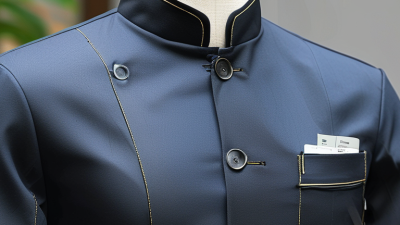
By 2026, healthcare providers around the world are gonna need scrubs that really keep up — you know, ones that can handle long shifts, lots of washes, and climate changes. Sure, a uniform might look sharp on a website, but once you wear it all day under bright, clinical lights, it might feel a lot heavier than it looks. Small things matter here — stuff like breathable fabric, secure pockets for your tools, strong seams that won’t give out, and a fit that works for a diverse bunch of people.
According to the U.S. Bureau of Labor Statistics’ projections from 2023 to 2033, there are around 1.9 million new job openings each year in healthcare. And the World Health Organization’s 2022 report points out that workforce struggles are pretty persistent around the globe, especially in Europe. Now, these reports don’t directly tell you about scrub sales—it's more about giving you the context to make smarter sourcing decisions. Big difference there.
At the end of the day, it’s all about people. Dr. Tedros, the head of WHO, calls health workers “the backbone of every health system,” and that’s a good reminder for anyone buying scrubs — will those uniforms support the staff shift after shift? This guide walks you through things like fabric choices, fit, construction, and what to keep in mind when buying from international suppliers. Make sure to read those specs carefully. Sometimes, fabric claims can sound super precise, but real-world comfort depends on the wearer, the work environment, and how often the clothes get washed—that’s something people often overlook without realizing it.

In 2026, global scrubs demand reflects workforce growth, replacement cycles, and tighter purchasing budgets. The World Health Organization’s 2023 workforce reporting projected a global shortfall of 10 million health workers by 2030. More clinical staff means sustained need for practical uniforms, though demand varies by region and care setting. OECD’s Health at a Glance 2023 reported that member countries spent an average of 9.2% of GDP on health in 2022. That pressure makes durability and laundering performance important buying criteria, not just color or price. Market estimates also vary because reports classify scrubs, lab coats, and protective apparel differently.
For global buyers, fabric weight, seam strength, and dependable size grading deserve close review. A uniform that feels breathable in a cool showroom may feel heavy during a humid shift. Ask suppliers for fabric specifications, wash-test details, and samples in several sizes before placing large orders. Fit still matters. Size charts can look precise, yet sleeves may pull when staff reach overhead. I have seen purchasing plans focus on unit cost while overlooking replacement frequency; that calculation can be misleading. Local climate, job role, and laundry routines should guide the product mix, with feedback from the people who wear the garments every day.
Projected global population, 2025–2050 (billions)
Market context: A growing global population can contribute to long-term demand for healthcare services and workwear. Population is a demand-context indicator, not a measure or forecast of scrubs sales.
Source: United Nations, World Population Prospects 2024. Figures are rounded projections.
Medical scrubs differ by fabric, cut, and intended use. Traditional woven sets often feel sturdy and familiar, while stretch blends allow easier reaching across a treatment cart. Jogger styles narrow at the ankle, but elastic cuffs may feel warm during long shifts. Textile Exchange’s Materials Market Report 2024 estimates polyester made up 57% of global fiber production in 2023, compared with cotton at 20%. These figures describe the wider textile market, not scrub sales. Still, they help buyers understand why blends are common and why fiber content deserves a label check.
Fit matters at least as much as fabric. Relaxed cuts can suit varied body shapes, while tailored cuts may reduce loose fabric near equipment. Logo Scrubs can help teams identify departments, but embroidery placement should not rub beneath a coat or strap. A useful trial includes sitting, bending, and lifting both arms. Small test, big difference. The U.S. Bureau of Labor Statistics projects healthcare occupations to grow 8.4% from 2023 to 2033, adding about 1.9 million jobs. That broad forecast is not a scrub-demand estimate, but it signals diverse staffing needs. One caveat: “easy-care” does not automatically mean durable. Check seam construction, shrinkage guidance, and fabric weight before ordering at scale.
For Nursing Scrubs, fabric choice should start with the wearer’s shift and climate, not a trend. In humid wards, lightweight fabric with a breathable weave can feel less clammy under a warm gown. In cooler settings, a denser fabric may offer more coverage. Small details matter. Check how a swatch feels against the skin, then test it after washing.
The World Meteorological Organization reported that 2024 was the warmest year in its record, at about 1.55°C above the 1850–1900 average. That global figure does not describe every hospital, but it reinforces the need to consider local heat. Textile Exchange’s Materials Market Report 2024 estimated global fibre production at 124 million tonnes in 2023, with polyester making up 57%. Polyester blends can dry quickly and resist creasing; cotton can feel soft and absorb moisture. Neither choice is perfect. Fit, weave, and finishing change the result.
For durability, inspect seams, pocket corners, and fabric recovery after repeated laundering. A garment that pills or twists quickly may cost more in replacements, even if its purchase price is low. Ask suppliers for fabric composition, care instructions, and test results where available. A showroom swatch can mislead; real wear and wash testing are more useful. I would not choose solely by fibre label.
| Fabric Type | Typical Composition | Comfort and Breathability | Durability and Care | Climate Suitability | Best Consideration for Buyers |
|---|---|---|---|---|---|
| Polyester–Cotton Blend | Commonly a mix of polyester and cotton; proportions vary by garment. | Cotton adds softness and moisture absorption; polyester generally dries faster than cotton. | Usually resists wrinkling better than all-cotton fabric. Follow the garment care label to limit shrinkage and color fading. | Versatile for temperate climates and facilities with frequent laundering. | A balanced option when buyers want a familiar feel with easier-care performance. |
| Polyester–Rayon–Spandex Blend | Polyester, rayon, and a small amount of elastane or spandex; exact ratios vary. | Rayon can provide a soft, smooth hand, while spandex adds stretch for movement. | Stretch and softness depend on construction and blend. Use care-label temperatures to protect elastic fibers. | Often comfortable in indoor workplaces; lighter constructions may suit warmer conditions. | Consider for teams prioritizing flexibility and a softer drape; check recovery after repeated wear and washing. |
| 100% Cotton | Cotton fibers without synthetic blending. | Soft and absorbent, but can feel damp longer after absorbing moisture. | May wrinkle and shrink if washed or dried at high temperatures; durability depends on fabric weight and construction. | Useful where natural-fiber comfort is preferred; may be less comfortable in humid conditions when sweat dries slowly. | Check shrinkage guidance and laundering requirements before selecting for high-volume uniform programs. |
| Polyester-Rich Fabric | High proportion of polyester, sometimes blended with cotton or stretch fibers. | Generally dries quickly, but breathability and comfort vary with knit or weave, weight, and finish. | Often wrinkle-resistant and suited to frequent use; heat can affect some finishes and stretch components. | Practical for damp conditions or fast turnaround between shifts, depending on fabric weight and ventilation. | Assess airflow and wearer comfort in the actual garment, not only the fiber content. |
| Lightweight Scrub Fabric | May use cotton, polyester, or blended fibers in a lighter fabric construction. | Lower fabric weight can feel less bulky and may improve comfort in hot environments. | Wear life depends on yarn, weave or knit, and seam construction; lightweight does not automatically mean less durable. | Hot, humid regions and warm indoor settings, especially where layered clothing is not required. | Request garment samples and evaluate opacity, pocket-load performance, and seam strength before bulk purchasing. |
| Midweight Scrub Fabric | Available in several fiber blends, with a fabric weight between lightweight and heavyweight options. | Offers a more substantial feel while remaining suitable for many indoor settings. | Can provide a useful balance of coverage and everyday wear, subject to fabric and construction quality. | Temperate climates and facilities with variable indoor temperatures. | A practical starting point for multi-region orders when one uniform specification is needed. |
| Note for Global Buyers | Fabric performance varies by fiber ratio, fabric weight, weave or knit, dyeing, finishing, garment design, and care routine. Compare samples, check care labels and local laundering requirements, and test fit and comfort with intended wearers before placing a large order. | ||||
For global buyers, scrub selection should begin with the work, not the catalog photo. A shoulder seam that pulls during patient transfers or a pocket that spills instruments can make a shift harder. Check arm reach, squat comfort, pocket placement, fabric opacity, and shrinkage after repeated laundering. Small details matter.
The World Health Organization’s 2022 Global report on infection prevention and control estimates that healthcare-associated infections affect about 7 in 100 patients in acute-care hospitals in high-income countries, and 15 in 100 in low- and middle-income countries. These figures describe infection burden, not garment performance. Scrubs are not a substitute for required protective equipment or facility laundry procedures. In the United States, the Bureau of Labor Statistics counted about 3.3 million registered nurses in May 2023, illustrating the scale of one major wearer group. Their tasks and climates still vary widely. Fashion Scrubs may look polished, but buyers should verify fabric weight, breathability, and care instructions against local conditions. Request size samples across the intended range. Have staff test them through a full shift and after washing. One fit chart is rarely enough. A minor flaw in the test process can become a costly bulk-order mistake.
2026 Top Scrubs Uniforms for Global Buyers
Assessing Quality, Compliance, and Supplier Reliability
Scrubs can look identical on a product page and feel very different after a full shift. Check fabric weight, seam consistency, pocket stitching, and colorfastness using physical samples. Wash samples several times, then inspect shrinkage and fading. Ask for fabric composition and test reports that match the exact style and color being ordered. Small details matter. A checklist helps, but it cannot replace hands-on inspection.
Compliance requirements vary by destination and intended use. Confirm that labels, fiber claims, care instructions, and packaging details meet the rules in each sales market. Request current documentation, and verify that it applies to the supplied materials—not just a similar item. Supplier reliability needs the same care. Review production capacity, quality-control procedures, sample timelines, and how defects are handled. Ask for written lead times and clear order specifications. Still, verify.
Tips: Approve a pre-production sample, record measurements and color references, and agree on inspection criteria before payment milestones. Keep a small reserve for delays; even a well-managed supplier can face fabric or shipping disruptions. Be cautious of promises that sound perfect. Recheck assumptions.
For 2026 planning, scrub design is balancing comfort, durability, and practical sourcing. Textile Exchange’s Materials Market Report 2024 estimates that global fiber production reached 124 million tonnes in 2023, with polyester accounting for about 57 percent. That scale makes fiber choice more than a trim detail. Buyers should ask for fabric composition, wash-care guidance, and test results before approving bulk orders.
Fit matters. The European Environment Agency’s 2024 textiles briefing reports EU textile consumption of about 19 kilograms per person in 2022, with roughly 8 kilograms discarded. These figures cover textiles broadly, not scrubs specifically, so they cannot predict uniform waste. Still, they make durability worth testing: inspect seams after repeated laundering and check whether colors fade around pockets and cuffs.
Short Sleeve Scrubs suit warm wards and active shifts, but sleeve length alone does not guarantee comfort. Ask wearers to test reach, bend, and pocket access in real working conditions. Not enough, though. Buyers should also request clear fiber and origin documentation, compare lead times, and check whether size grading matches the workforce. Recycled content may be useful, but a label alone proves little; verify supporting documents and fabric performance. Sourcing decisions improve when specifications are precise, yet no single fabric works equally well across every climate, role, and laundry routine.
When choosing navy men’s scrubs for a dental office, start with a professional appearance and a practical fit for a busy workday. A V-neck, short-sleeve top offers a straightforward uniform style, while the chest pocket provides a convenient place for small work essentials. A straight hem keeps the top looking neat, and matching pants create a coordinated outfit for dentists, assistants, hygienists, and other clinic staff. The navy blue shade gives the team a consistent, polished look that suits dental and healthcare settings.
For a comfortable, work-appropriate uniform, check that the men’s fit allows staff to move easily between patient care and daily tasks. Consider how the set will work across the whole team, including sizing needs and a consistent appearance for new hires. Clinics and dental groups ordering in quantity can also ask about logo embroidery or printing, private labels, custom packaging, and OEM/ODM options. These services can help align uniforms with a team’s presentation and purchasing requirements. Compare order quantities and customization details before selecting a set for a single practice or a larger uniform program.
Woven sets often feel sturdy and familiar. Stretch blends can make reaching across a treatment cart easier.
Sit, bend, squat, and lift both arms in the sample. Notice pulling at the shoulders or loose fabric near equipment.
Their tapered legs and elastic cuffs can feel secure. The cuffs may also feel warm after several hours.
Check fiber content, fabric weight, care instructions, and shrinkage guidance. Polyester and cotton are common fibers, but labels matter.
Relaxed cuts may suit more body shapes. Tailored cuts can reduce excess fabric, though they may restrict movement.
Walk, bend, and sit with typical work items inside. Check whether pockets spill or press uncomfortably against the body.
No. Scrubs do not replace required protective equipment or established laundry procedures.
Request samples across the planned size range. Have staff wear and wash them before ordering. One fit chart rarely tells the whole story.
In 2026, choosing Scrubs Uniforms for global markets means balancing comfort, durability, functionality, and value across different healthcare settings. Buyers can compare classic sets, modern tailored styles, and role-specific options, then select fabrics suited to local climates and demanding workdays. Breathable, easy-care materials may work well in warm environments, while stronger, more insulating fabrics can suit cooler conditions. Fit also matters: garments should support comfortable movement and offer practical features such as useful pockets without getting in the way.
A dependable purchasing decision goes beyond appearance. Buyers should assess stitching, fabric consistency, care requirements, workplace specifications, and supplier communication before placing an order. Emerging design and sourcing trends point toward versatile colors, adaptable fits, thoughtful fabric choices, and more efficient purchasing processes. By weighing these factors together, organizations and individual professionals can find scrubs that meet everyday needs and remain suitable for varied teams and markets.